The Baby Whose Little Legs Never Looked The Same
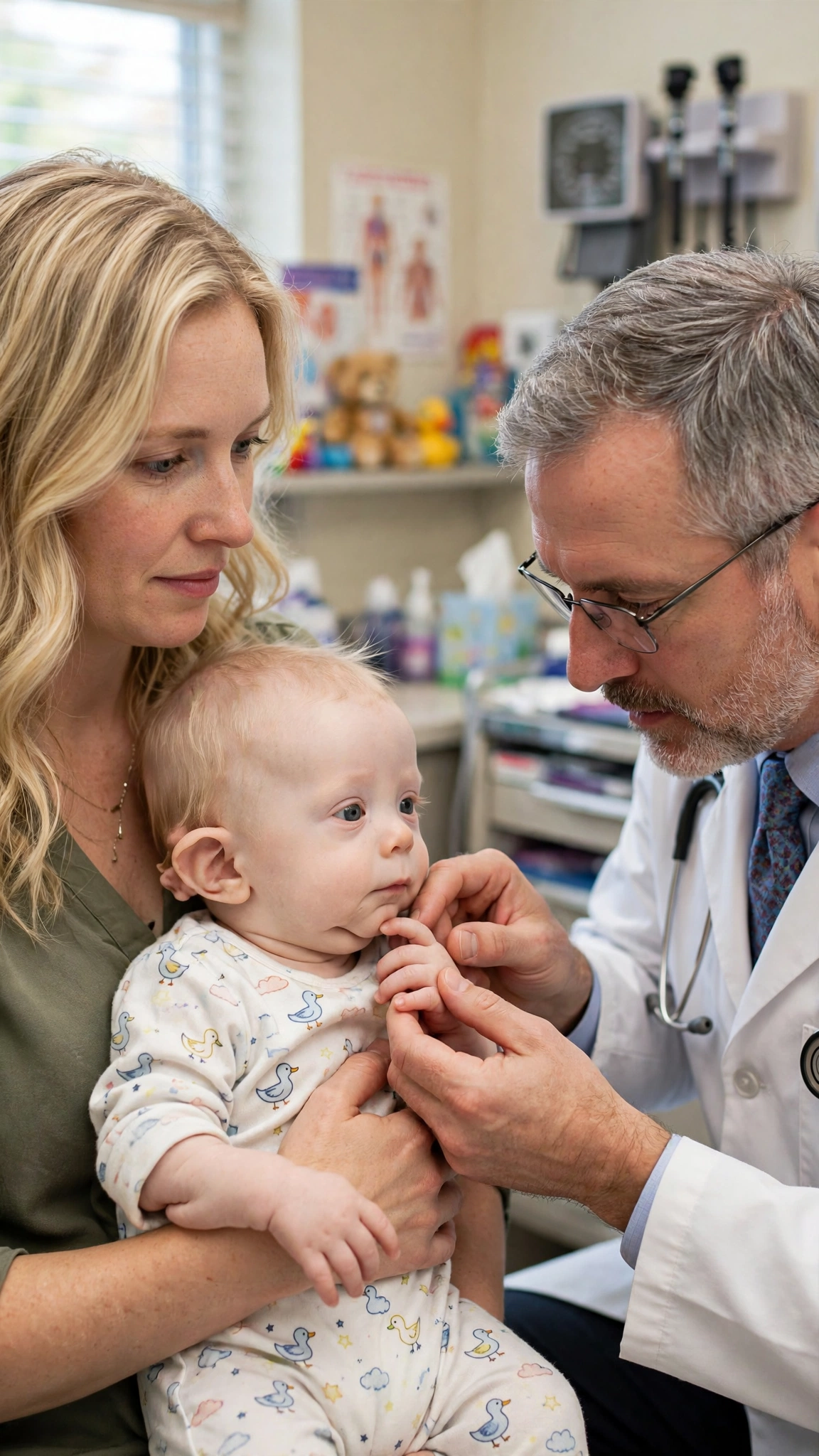
When little Daniel was born, his parents noticed that his feet looked unusually swollen.
At first, they ᴀssumed it was temporary swelling that might disappear as his body adjusted to life outside the womb. Like many new parents, they hoped there was nothing serious to worry about.
But the swelling continued.
As the months pᴀssed, Daniel’s feet became noticeably larger. His ankles gradually became less defined, and the lower parts of his legs appeared increasingly heavy compared with those of other babies his age.
His parents began seeking medical advice to understand what was happening.
After several examinations, Daniel was diagnosed with congenital lymphedema, a condition caused by abnormalities in the lymphatic system that interfere with the normal drainage of fluid from body tissues.
The lymphatic system is a network of vessels and structures responsible for collecting excess fluid from tissues and returning it to the bloodstream. It also plays an important role in immune function.
When this system does not develop or function properly, lymph fluid can accumulate in the affected areas. This leads to persistent swelling, known as lymphedema.
Congenital lymphedema may be present at birth or become more noticeable during infancy or childhood. Although the legs and feet are commonly affected, the severity and distribution of swelling can vary significantly between individuals.
For Daniel, the condition gradually changed the way his little legs looked and moved.
As he grew older, the enlarged feet and lower legs made some developmental activities more challenging. Crawling required additional effort, and his parents wondered how the swelling might affect his ability to stand and walk independently.
They began working with medical specialists who monitored the swelling and helped them understand the available management options.
Care for childhood lymphedema is individualized. Depending on the child’s condition, it may involve skin care, monitoring limb size, appropriate compression therapy, movement or physical therapy, and specialized lymphatic treatment.
Protecting the skin is especially important because persistent swelling can make affected areas more vulnerable to certain skin problems and infections.
Daniel’s parents learned to pay close attention to changes in his legs. They followed medical guidance and tried to create a safe, comfortable environment where he could continue developing at his own pace.
There were difficult days.
His mother sometimes watched him struggle to move his swollen legs and wondered what the future would bring. She worried about whether he would be able to enjoy the same activities as other children and whether his condition might become more difficult to manage.
But whenever Daniel laughed, her worries seemed to soften.
He loved reaching for colorful toys and watching his father make silly faces. He enjoyed the sound of his mother’s voice and often drifted peacefully to sleep while she held him close.
These simple moments reminded his family that Daniel was not just a child living with a medical condition.
He was a curious little boy with his own personality, feelings, and growing interests.
His journey would require patience, regular medical care, and support as he developed. Some challenges might change over time, and his treatment needs could evolve as he grew.
His parents could not predict every part of the road ahead, but they were determined to walk it with him.
They wanted him to know that needing extra care did not make him less capable of happiness, friendship, or achievement.
Daniel’s legs might look different, and his childhood might follow a different path. But he deserved every opportunity to explore the world, discover his abilities, and build a future filled with possibilities.
His legs carried extra weight, but his little heart carried endless dreams.