Texas Judge Rejects Karmelo Anthony’s Request for a New Trial Following Track Meet Incident
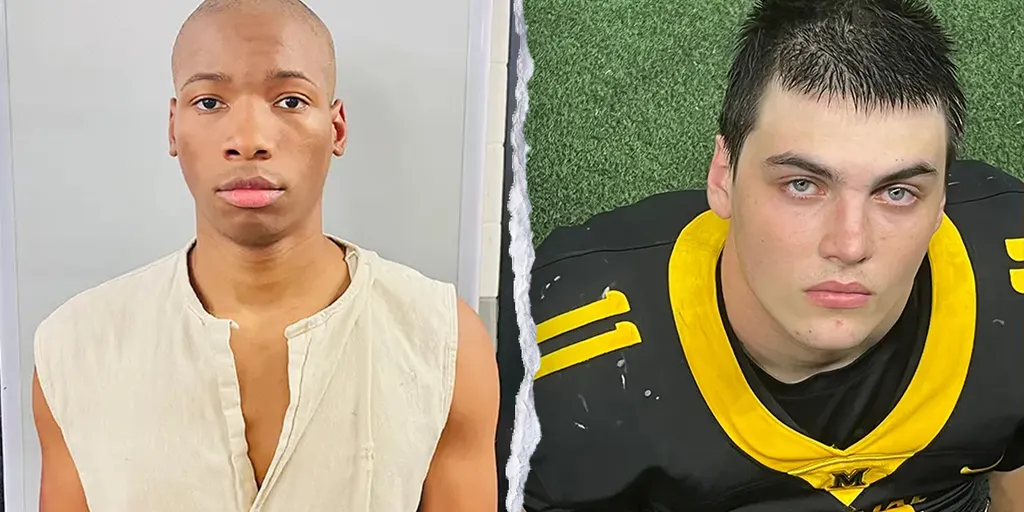
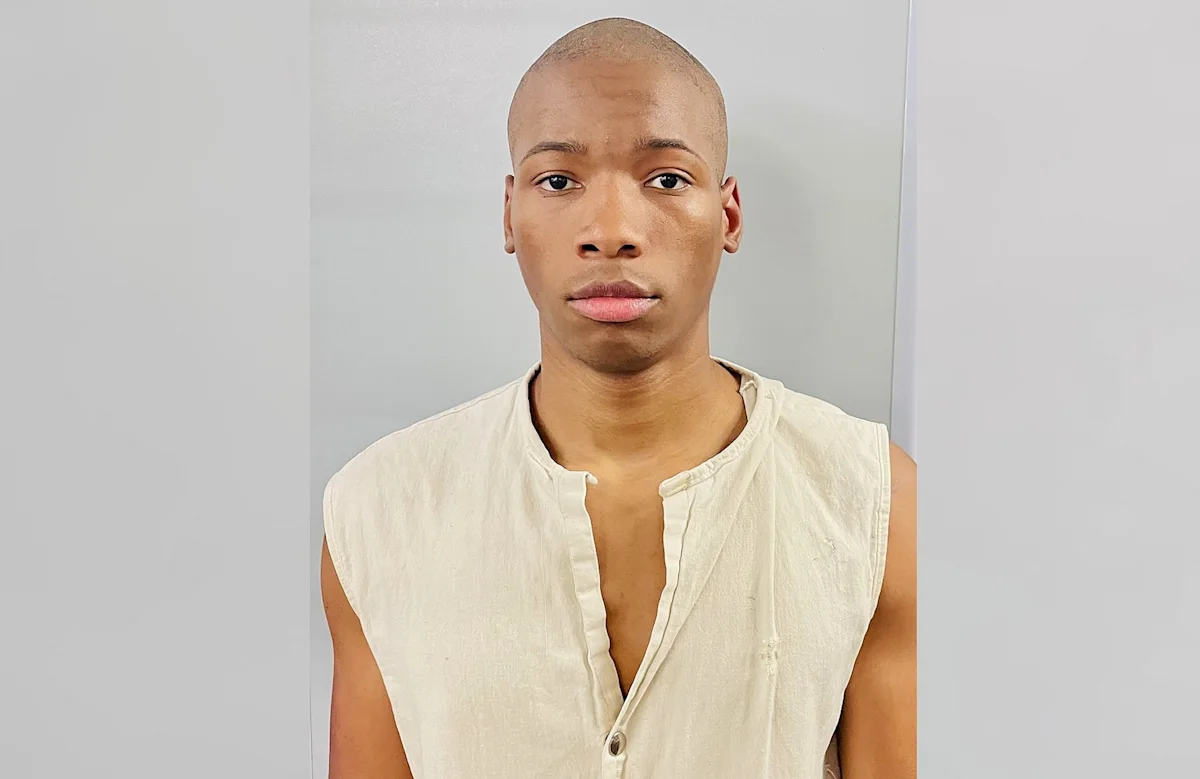
A Texas judge has denied Karmelo Anthony’s request for a new trial, upholding his murder conviction and 35-year prison sentence for the fatal stabbing of a high school student during a track meet. The ruling, issued on August 22, 2026, by retired Kaufman County District Judge Michael Chitty, came after a two-day hearing and leaves the June 2026 jury verdict intact for the time being.
Anthony, now 19, was found guilty of murdering 17-year-old Austin Metcalf on April 2, 2025, at a district track meet in Frisco, Texas. Both teenagers were athletes from rival Frisco high schools—Anthony from Centennial High School and Metcalf from Memorial High School. The incident occurred on a rainy morning when several schools were competing at David Kuykendall Stadium. Witnesses said Anthony sought shelter under a tent belonging to the Memorial High team. After being told repeatedly to leave, a confrontation developed. Metcalf reportedly pushed Anthony, after which Anthony pulled a knife from his backpack and stabbed Metcalf once in the chest. Metcalf collapsed and later died from the wound, which medical testimony described as unsurvivable. Anthony fled briefly before surrendering to police, telling officers he had acted to protect himself.
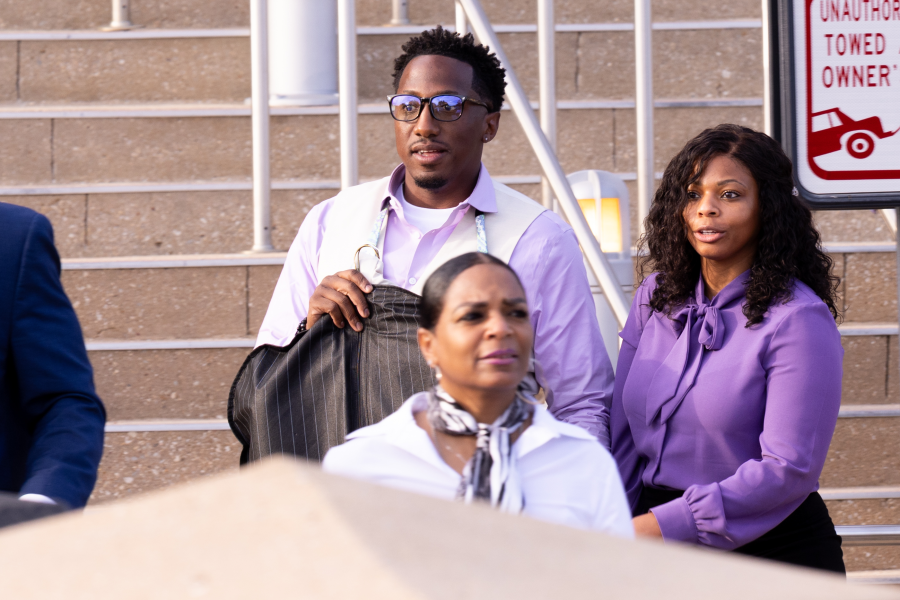
During the eight-day trial in June 2026, the defense argued that Anthony acted in self-defense, emphasizing the size difference between the two teens and the chaotic conditions under the tent. Prosecutors rejected that claim, describing the killing as unjustified murder and questioning why Anthony had brought a knife to a track meet. After roughly three hours of deliberation, a Collin County jury returned a guilty verdict. The same jury later sentenced Anthony to 35 years in prison. Anthony did not take the stand in his own defense during the trial.
In seeking a new trial, Anthony’s new legal team raised several issues. Central among them was an informal, unrecorded “gentleman’s agreement” between his original defense attorneys and prosecutors. The agreement aimed to keep certain character evidence about both the defendant and the victim out of the jury’s hearing. Defense attorneys argued that a dispute over the scope of that agreement effectively coerced Anthony into waiving his right to testify, thereby denying him a complete defense. They also challenged courtroom restrictions that limited public access to the proceedings, claiming these measures undermined the fairness of the trial.
The original trial judge, John Roach, was later recused from further involvement in the case. Another judge found that public comments Roach made after the verdict— including statements defending the jury’s decision and the conduct of the trial—could lead a reasonable observer to question the appearance of impartiality. Judge Michael Chitty was ᴀssigned to handle the post-trial motion. After reviewing the motion, the court record, evidence presented at the hearing, legal briefs, and relevant case law, Chitty issued a brief order denying the request for a new trial. He did not provide detailed reasoning in the written ruling.
Anthony’s appellate attorney, Russell Wilson, said the defense team will continue the appeal in the Fifth Court of Appeals in Dallas and will pursue every available legal avenue. In a statement, Wilson emphasized that the issues raised remain substantial and that the denial of the new-trial motion does not conclude the case. He reiterated the team’s commitment to advocating for their client.
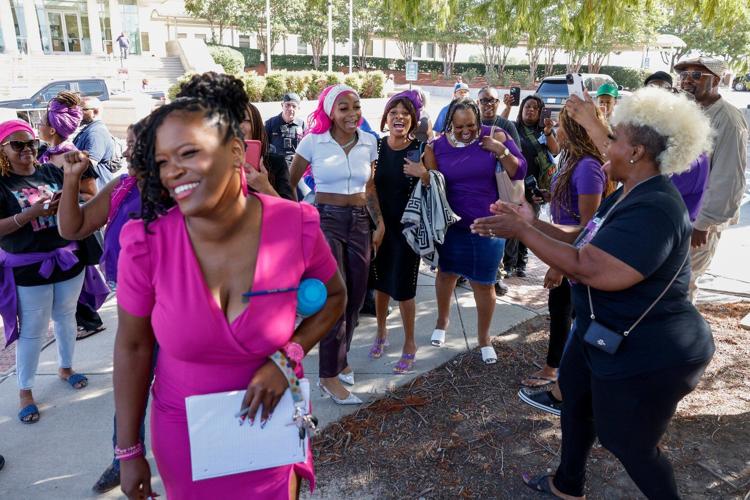
Collin County District Attorney Greg Willis responded that the office respected and had expected the court’s decision. He stated that the jury’s guilty verdict stands and that prosecutors remain confident in the process. Willis also noted that every defendant has the right to appeal and expressed continued thoughts and prayers for the Metcalf family.
The case drew significant public attention, in part because of the racial idenтιтies of the two teenagers—Anthony is Black and Metcalf was white—and the volume of social media discussion that followed. Both the prosecution and the original defense team told the jury that race played no role in the confrontation itself. During the recent hearing, some previously excluded character evidence regarding both young men was discussed, though it had not been presented to the trial jury.
With the motion for a new trial denied, Anthony’s conviction and 35-year sentence remain in effect. Further appellate proceedings are expected as his legal team continues efforts to challenge the outcome.
Sources: https://www.yahoo.com/news/us/articles/karmelo-anthonys-bid-trial-denied-210248454.html