Six Children Were Reportedly Missing Months of School Before the Hamden Discovery—Could Earlier Records Have Changed the Story?

The discovery of 16 children inside a rural Ohio home in June 2026 raised immediate concerns about their living conditions, but records from earlier years have added another troubling dimension to the investigation: questions about whether warning signs were visible long before authorities entered the property. A report published by WSAZ Investigates in July described school attendance complaints involving six children from the Siders family. According to the records obtained by the station, Gallia County Local Schools filed complaints in October 2021 after six children enrolled at Addaville Elementary reportedly missed every school day during that academic year. The complaints described the children as habitual truants after they accumulated more than 72 hours of unexcused absences. The cases were reportedly dropped in January 2022 because authorities could not locate the parents. These records do not, by themselves, establish that school officials knew about the later conditions in Hamden or that any particular agency had enough information at the time to intervene. They do, however, raise questions about how repeated absences are tracked, what happens when families cannot be located, and how information moves between schools and child-protection agencies.
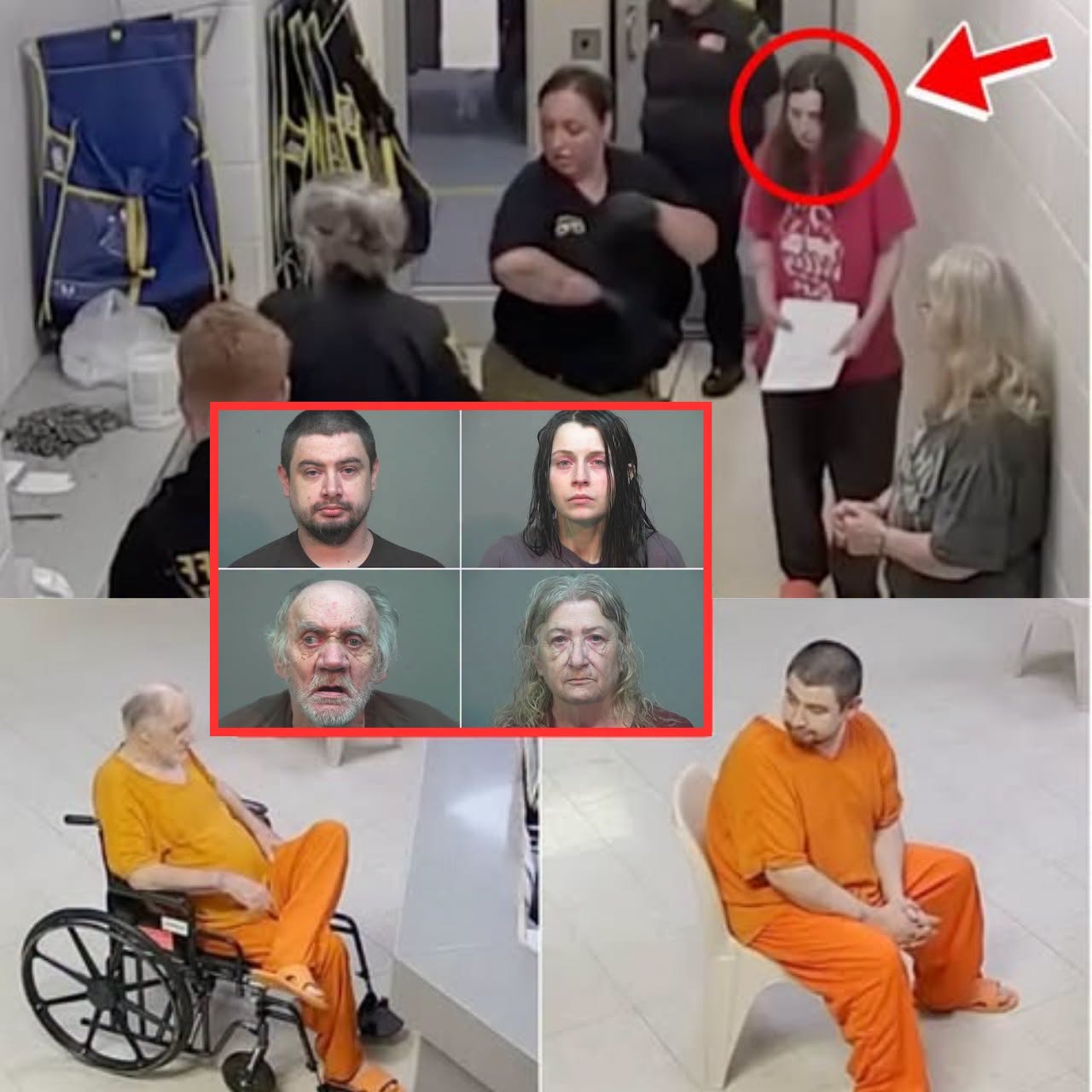
The case became public after investigators executed a search warrant at the family’s residence in Hamden, Vinton County, on June 30, 2026. Authorities found 16 children, ranging in age from approximately 18 months to 18 years, and removed them from the property. Officials described the living conditions as deplorable, and several children were taken for medical evaluation. The children were subsequently placed in temporary care while authorities investigated the circumstances surrounding their welfare. Four adults were arrested: Gary Siders Sr., his wife Christina Siders, their son Gary Siders Jr., and daughter-in-law Elizabeth Siders. The charges against them arose from the alleged endangerment of the children, although the precise legal status of each defendant has since changed. On October 6, a judge dismissed the case against Gary Siders Sr. after a competency evaluation found him unable to stand trial. The remaining defendants face their own legal proceedings, and the dismissal of the grandfather’s case does not resolve the allegations involving the others.

School attendance is often one of the few routine points of contact between children and public insтιтutions. Repeated unexplained absences can prompt schools to contact parents, initiate attendance proceedings or refer concerns to other authorities, depending on the circumstances and applicable law. But a complaint about truancy is not the same as a substantiated finding of abuse or neglect. Families can be difficult to locate for many reasons, and older attendance records cannot independently explain why officials were unable to reach the Siders family or what information was available to each agency. A careful review would need to establish what each insтιтution knew, what steps were taken, and whether the information available at the time met the threshold for additional action. It would also need to account for the differences between the earlier school records and the later investigation in Vinton County.

The larger issue is whether fragmented information can leave vulnerable children without effective oversight. Schools, medical providers, law enforcement and child-welfare agencies operate under different rules and responsibilities. If concerns are recorded in separate systems, important patterns may be difficult to recognize unless agencies communicate effectively and follow up consistently. At the same time, any review must respect privacy requirements and avoid ᴀssuming that one missed opportunity necessarily caused the later circumstances. The records reported by WSAZ provide a reason to examine the history more closely, not proof that a specific agency deliberately ignored abuse. As the criminal investigation continues, a clearer account of the family’s movements, the children’s educational histories and the decisions made by public insтιтutions could help explain how the situation developed and what safeguards might prevent similar cases in the future.