Shock Horror: Tessa Majors’ Killer Luchiano Lewis Freed at 21 After Just 3 Years Behind Bars.hl
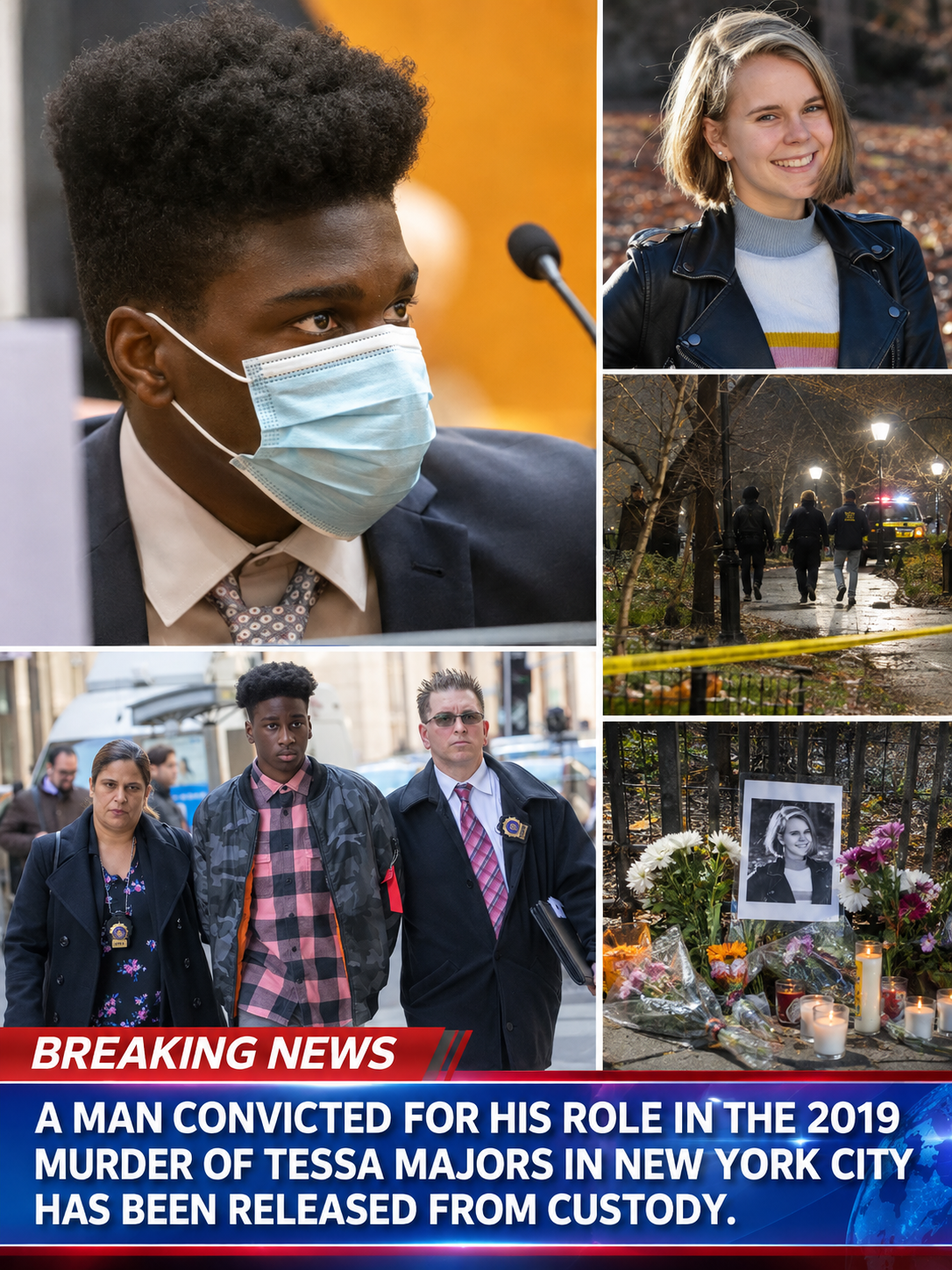
Outrage is exploding across New York. Luchiano Lewis—one of the teens who helped butcher Barnard College freshman Tessa Majors in a savage 2019 park robbery—has walked free from prison at age 21 after serving a fraction of his sentence. State records confirm the 21-year-old was released October 14, 2026, from Franklin Correctional Facility near the Canadian border on conditional release, without any parole board hearing.
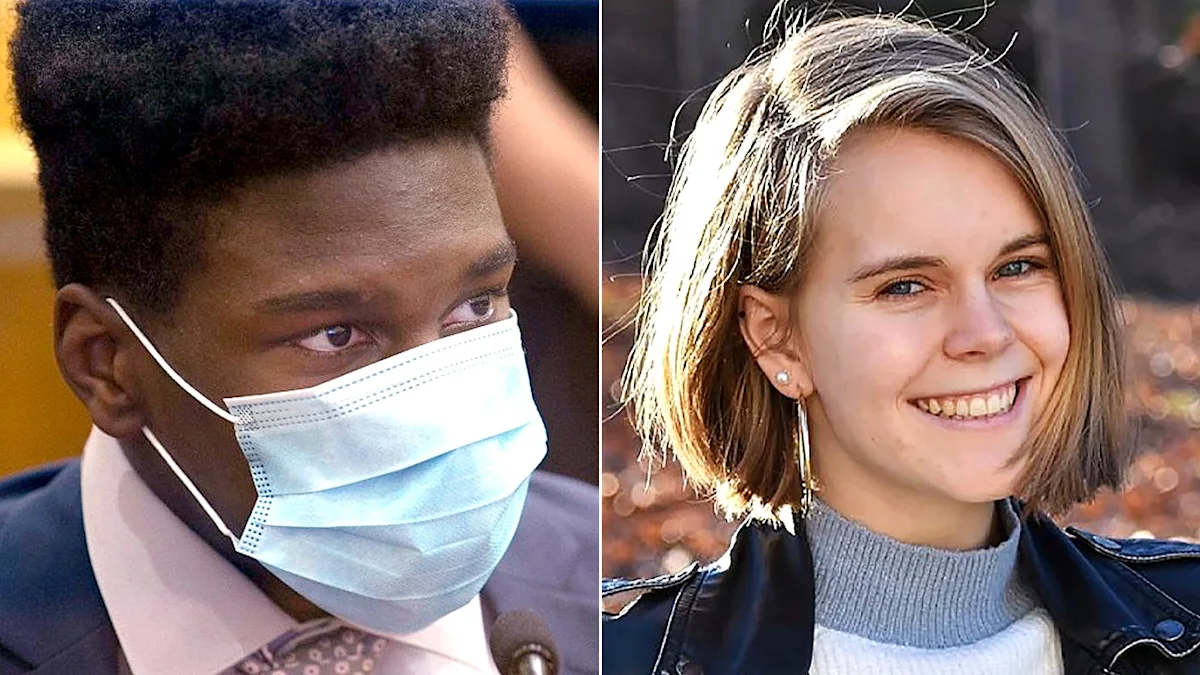
Lewis was just 14 on the freezing evening of December 11, 2019, when he, Rashaun Weaver (also 14), and Zyairr Davis (13) ambushed the 18-year-old aspiring musician as she walked through Morningside Park near Columbia University. The trio targeted her for her iPhone and cash. Weaver kicked Majors from behind and demanded her belongings. When she resisted—“Are you seriously trying to rob me?”—a brutal fight erupted. Lewis held the peтιтe freshman in a headlock while Weaver stabbed her four times, including once through the heart so forcefully that feathers exploded from her down jacket. Majors fought ferociously, biting Weaver’s finger and screaming “coward,” before staggering up stairs and collapsing. She died at the hospital. Davis scooped up the dropped knife and handed it back during the ᴀssault.
The crime stunned the city and nation for its pure savagery and the killers’ tender ages. Lewis pleaded guilty in September 2021 to second-degree murder and first-degree robbery. In October 2021, Manhattan Supreme Court Justice Robert Mandelbaum hit him with the maximum: nine years to life. At sentencing, the judge blasted Lewis for showing no real remorse and for a pattern of violence already in juvenile detention—including slashing another inmate and gang ᴀssaults—declaring the murder “was not an aberration” and that Lewis “has learned no lessons.” “The murder of Tessa Majors tore at the fabric of this entire city,” Mandelbaum said. Lewis apologized tearfully to Majors’ parents, but the judge was unmoved.
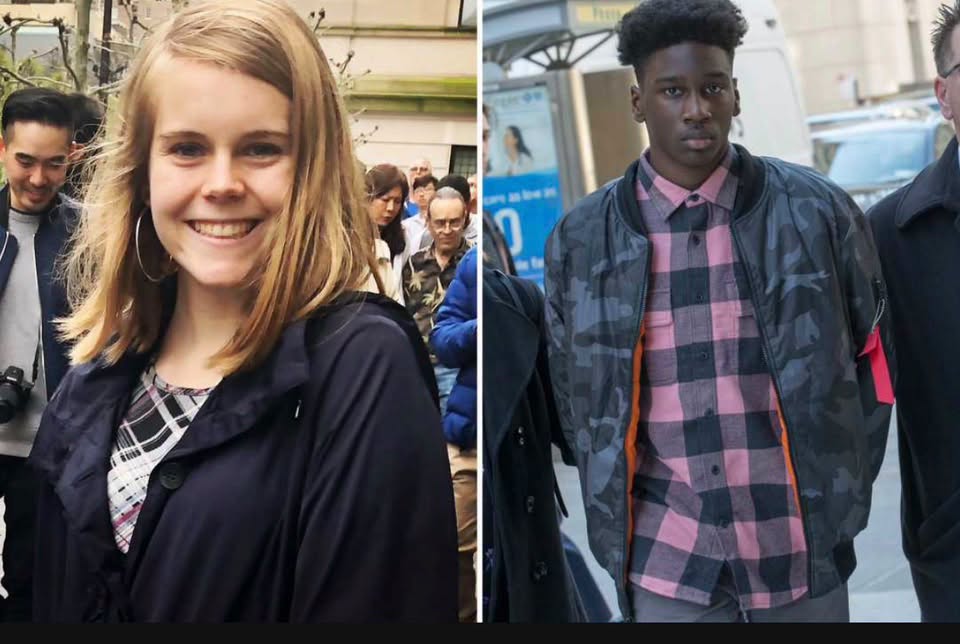
Lewis spent years in juvenile facilities before transferring to adult prison in September 2023 after turning 18. He served roughly three years in the state system (about 6.5–7 years total custody since his February 2020 arrest). New York law permits automatic conditional release after two-thirds of the minimum term for eligible inmates. He simply signed papers agreeing to obey the law, hold a job, and live at an approved address. He is now under community supervision. His own former defense attorney, Mario Gallucci, was stunned: “He shouldn’t have been released. It doesn’t make any sense.”
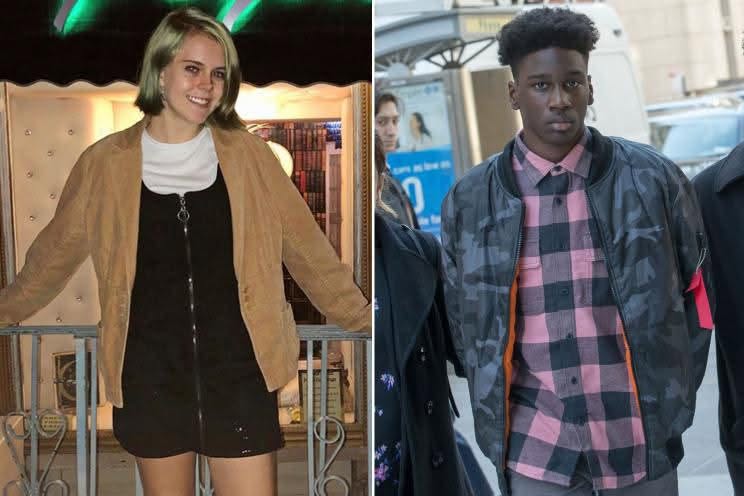
Weaver is still serving 14 years to life. Davis, who got only 18 months in juvenile detention, has already reoffended and sits in Rikers on an attempted murder charge. Victims’ advocates and retired detectives call Lewis’s early freedom a gut punch. “It’s horrible for the family… They seem to care more about the criminal population than the actual victims,” said former NYPD Detective Michael Alcazar. Majors’ grandmother still grieves daily: “We suffer every single day thinking about her and her short life.”
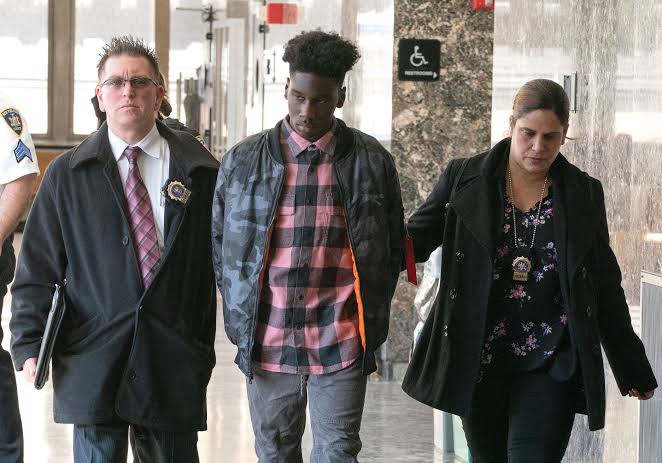
This release lays bare deep cracks in the system. A promising young woman—talented musician, writer, freshman with her whole future ahead—was slaughtered over a phone. The man who pinned her so a knife could pierce her heart is free before the crime’s seventh anniversary, despite documented prison violence that the sentencing judge flagged as proof of ongoing danger. Conditional release formulas and “good time” credits can override judicial intent and public safety when violence records are downplayed. Justice demands more than box-checking. Tessa Majors never got a second chance. Her killer just did. The question now hanging over New York: How many more victims must pay before the scales tip back toward accountability?