She Should Have Been Preparing for Kindergarten, Not Fighting for Survival 💔

Some stories are difficult to read, and some are even harder to forget.
The story of five-year-old Kinsleigh Welty is one that continues to leave a lasting impact long after the headlines have faded.
A little girl who should have been spending her days playing, learning, and preparing for kindergarten was instead enduring circumstances no child should ever experience.
On April 9, 2024, Kinsleigh died at Riley Children’s Hospital in Indiana.
As investigators began examining the circumstances surrounding her death, they uncovered evidence that suggested she had suffered for an extended period of time rather than experiencing a sudden medical emergency.
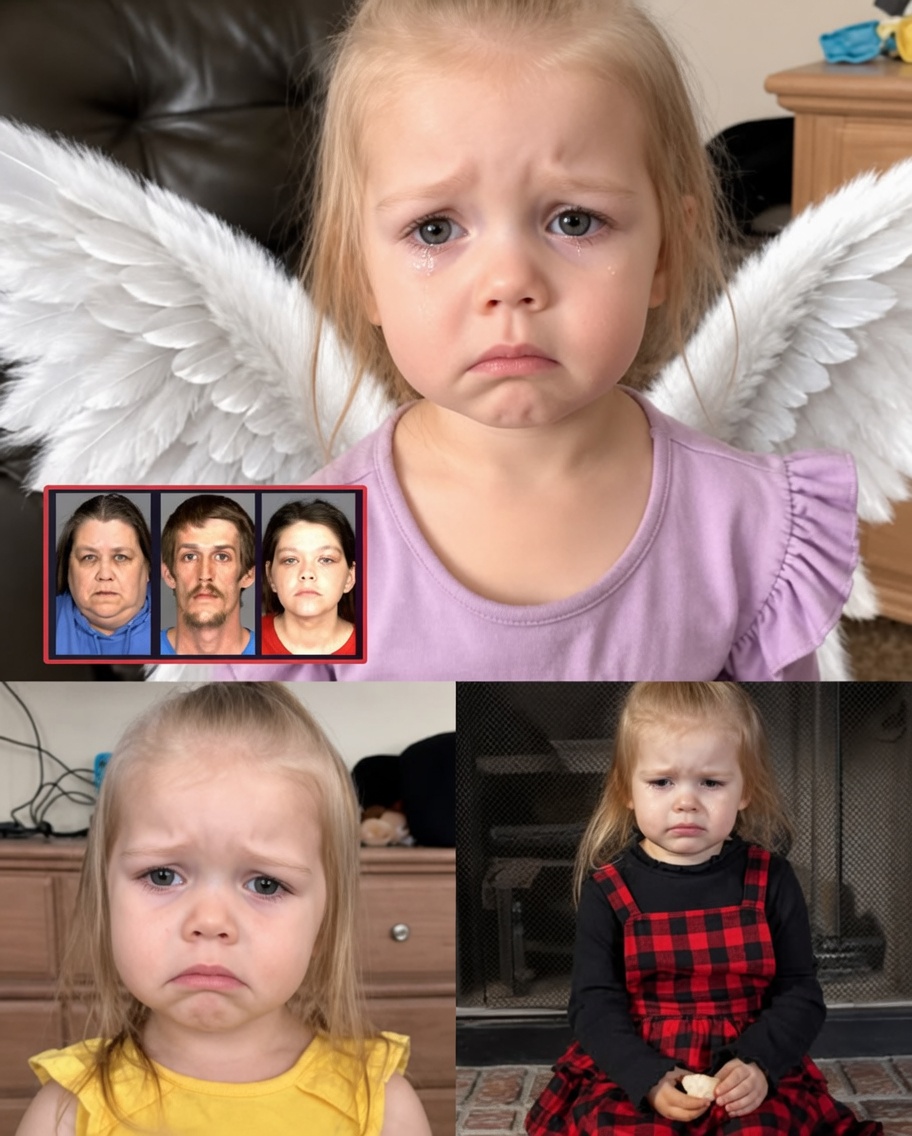
Medical personnel were immediately alarmed by her condition. According to investigators, Kinsleigh weighed less than she had when she was just two years old.
While most children grow stronger and healthier during those years, authorities said Kinsleigh’s physical condition reflected severe deprivation and prolonged neglect.
Prosecutors allege that her suffering unfolded over time while the adults responsible for her care failed to intervene.
Investigators further alleged that Kinsleigh had been confined to a closet for extended periods inside the home where she lived.
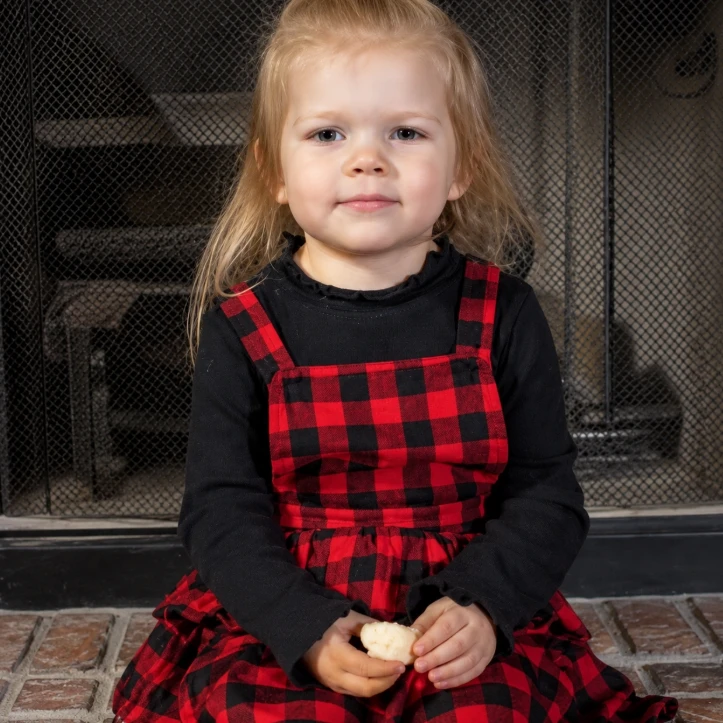
Authorities described unsanitary conditions, limited access to food and water, and an environment far removed from what any child deserves.
The details shocked not only community members but also experienced investigators and child advocates who later reviewed the evidence.
Many struggled to understand how such circumstances could have continued without intervention arriving sooner.
The case has raised painful questions about responsibility, accountability, and whether warning signs were missed.
Following Kinsleigh’s death, authorities arrested her mother, Toni McClure, and her grandmother, Tammy Halsey.
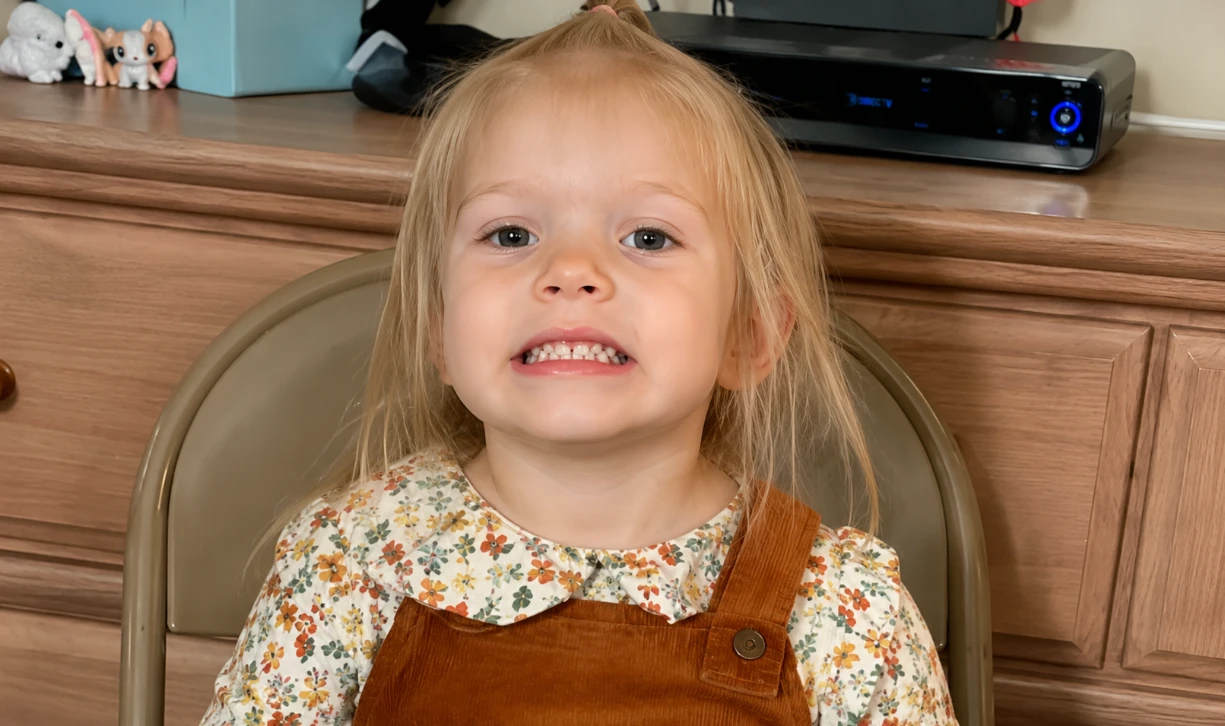
Both women face serious criminal charges, including murder and neglect of a dependent resulting in death.
Prosecutors allege that Kinsleigh’s suffering was not hidden by a single event but occurred over an extended period and should have been impossible to overlook.
The legal process is expected to take time, but for many people, the case has already become larger than a courtroom proceeding.
Family members have said concerns existed long before Kinsleigh’s death. They claim warning signs were present and that stronger intervention should have occurred.
Particular attention has focused on Indiana’s Department of Child Services, with relatives alleging that information existed suggesting Kinsleigh may have been at risk.
Those concerns have fueled broader discussions about the challenges child protection agencies face when responding to reports of abuse and neglect.
Child welfare experts often note that these investigations are complex. Caseworkers frequently manage overwhelming caseloads while balancing limited resources, legal standards, and conflicting information.
Yet when a child loses their life, those explanations provide little comfort to grieving families.
The same question continues to be asked:
If warning signs existed, why was she not protected?
Advocates argue that child protection systems across the country remain under significant strain, with many warning signs potentially becoming buried within overloaded systems.
Even so, many believe no explanation can fully justify what happened.
At the center of every discussion is a little girl whose life should have looked very different.
Kinsleigh should have been attending birthday parties, learning to read, making friends, and discovering the world around her.
Instead, investigators say she spent her final months enduring unimaginable hardship.
Her story has become a painful reminder that abuse often occurs behind closed doors and may remain hidden until tragedy forces it into public view.
By then, it is often too late.
The child has already paid the highest price.
People across the country have expressed sadness, anger, and disbelief after learning about Kinsleigh’s story. Many who never knew her personally have shared tributes in her memory and called for stronger protections for vulnerable children.
As the criminal case moves forward, prosecutors will present evidence, defense attorneys will challenge those claims, and a jury may eventually determine legal responsibility.
But regardless of the outcome, one reality will never change.
Kinsleigh Welty is gone.
The future she deserved was taken from her far too soon.
There will be no first day of middle school, no graduation ceremony, no career, and no opportunity to build the life every child deserves the chance to experience.
Today, Kinsleigh’s name has become a symbol for many people.
A symbol of children who cannot speak for themselves.
A symbol of warning signs that should never be ignored.
And a symbol of society’s shared responsibility to protect its most vulnerable members.
Every child deserves safety.
Every child deserves nourishment.
Every child deserves warmth, care, and love.
Most importantly, every child deserves adults willing to act when something does not seem right.
No court ruling can restore the years Kinsleigh lost, and no sentence can erase the pain felt by those who loved her.
But perhaps her story can serve as an important reminder.
A reminder to ask questions.
A reminder to speak up.
A reminder to report concerns.
And a reminder that the smallest voices are often the ones most in need of protection.
Kinsleigh Welty should still be here.
She should still be laughing, learning, and growing.
Instead, her story now stands as a heartbreaking reminder of what can happen when help arrives too late—and why protecting vulnerable children must remain a responsibility shared by everyone.