Public Outrage Grows After Series of Central Park Carriage Horse Incidents Ahead of Fatal Accident
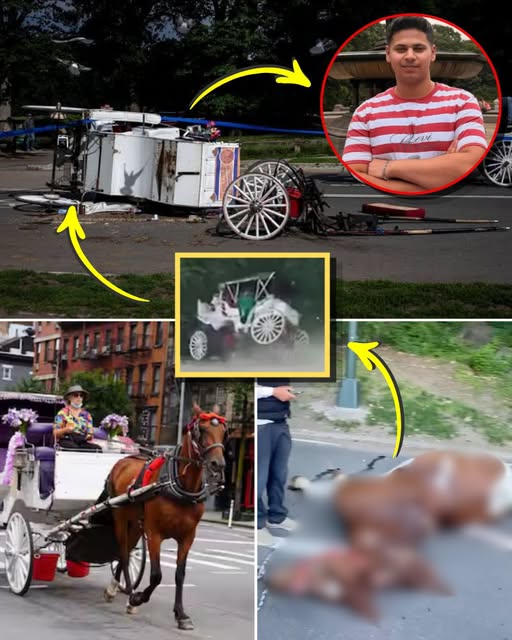
MANHATTAN, NEW YORK — Public scrutiny of New York City’s horse-drawn carriage industry is intensifying following reports of multiple incidents involving carriage horses in the weeks leading up to the fatal Central Park accident that claimed the life of 18-year-old traveler Romanch Mahajan.
Animal welfare advocates and several political leaders are now calling for immediate reforms—or even a complete ban on tourist carriage rides—arguing that a string of recent incidents has raised serious concerns about safety and animal welfare.
Among the cases drawing attention is the reported death of a carriage horse named Deniz. According to reports, the horse collapsed near the Strawberry Fields area of Central Park and later died after allegedly consuming a toxic plant. The incident reportedly occurred about one week before the fatal accident involving Mahajan and quickly became a focal point for critics of the carriage industry
The death of Deniz was not the only incident under discussion. Weeks earlier, another accident reportedly left a coachman seriously injured after a horse became frightened and charged into another carriage. The collision allegedly caused a buggy to overturn, resulting in injuries and renewed concerns about the challenges of operating horse-drawn carriages in a crowded urban environment.
Taken individually, each event sparked concern. Together, critics argue, they paint a troubling picture of recurring safety issues involving both horses and humans. Advocacy groups have pointed to the incidents as evidence that stronger oversight may be needed to protect animals, carriage operators, tourists, and pedestrians.
The debate intensified further following the fatal Central Park accident involving Mahajan. Investigators continue to review the circumstances surrounding that tragedy, while public officials face increasing pressure to examine whether current regulations governing carriage operations are sufficient.
Supporters of the horse-drawn carriage industry caution against drawing conclusions before investigations are completed. They argue that the industry has operated in New York for generations and that many operators follow established safety standards and animal care requirements. Industry representatives have also emphasized that individual incidents should be carefully examined on their own facts.
Nevertheless, the succession of high-profile accidents has fueled growing calls for change. Some city leaders have urged regulators to conduct comprehensive reviews of horse welfare standards, veterinary oversight, working conditions, and safety procedures. Others have renewed long-standing proposals to phase out horse-drawn carriage rides altogether.