Oil Rig Drilling Reveals Terrestrial Dinosaur Deep Below North Sea Floor.lh
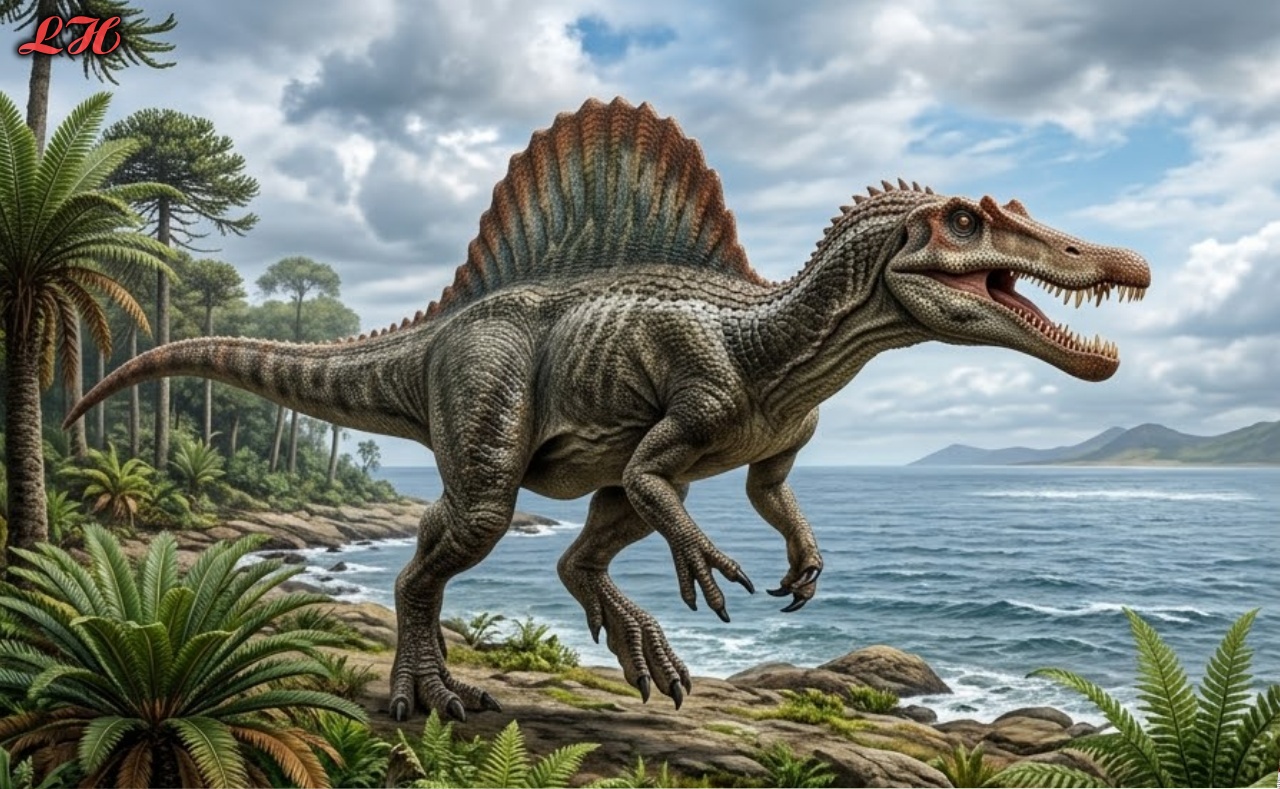
Oil Rig Drilling Reveals Terrestrial Dinosaur Deep Below North Sea Floor
In 1997, during routine oil exploration at the Snorre field in the Norwegian North Sea, Statoil (now Equinor) engineers recovered a 4-centimetre knucklebone (phalanx) belonging to a Plateosaurus from a core drilled 2,256 metres (7,400 feet) beneath the seabed.
This remains the deepest dinosaur fossil ever documented. The bone comes from the Late Triᴀssic Lunde Formation (~210–195 million years old). At the time, the North Sea region was not ocean but a vast river floodplain on the supercontinent Pangaea. The 9-metre, 4-tonne herbivorous dinosaur lived and died on land; after death, its bone was rapidly buried in river-channel sediments.
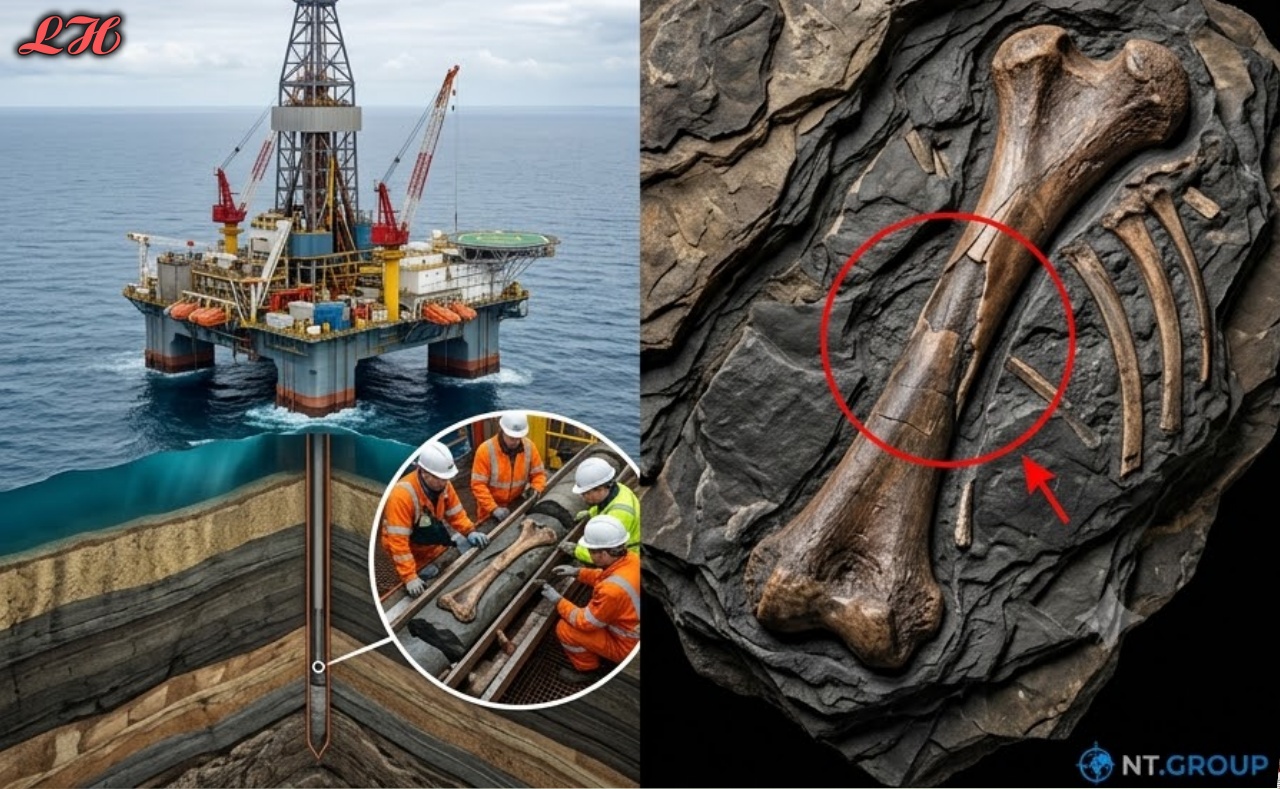
Over the subsequent 200 million years, plate tectonics and continuous sedimentation buried it deeper and deeper. As the Atlantic Ocean opened, the crust subsided dramatically while kilometres of younger marine deposits accumulated above, pushing the fossil more than two kilometres beneath what is now the North Sea floor.
The find is 100% consistent with established geology and palaeontology. It demonstrates classic post-mortem transport by rivers followed by deep burial — not an aquatic dinosaur, a global flood, or any challenge to evolutionary theory.
The specimen is now curated and studied in Norway and continues to serve as a textbook example of how terrestrial fossils can end up in extreme offshore settings. From the black depths of the North Sea, this lone Plateosaurus bone powerfully illustrates that dinosaurs once walked where oil rigs now drill, and that Earth’s dynamic crust routinely preserves ancient land life in the most unexpected places.