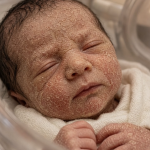
Newborn Baby Develops Disseminated Herpes Infection, Suffering Severe Damage to the Brain and Internal Organs
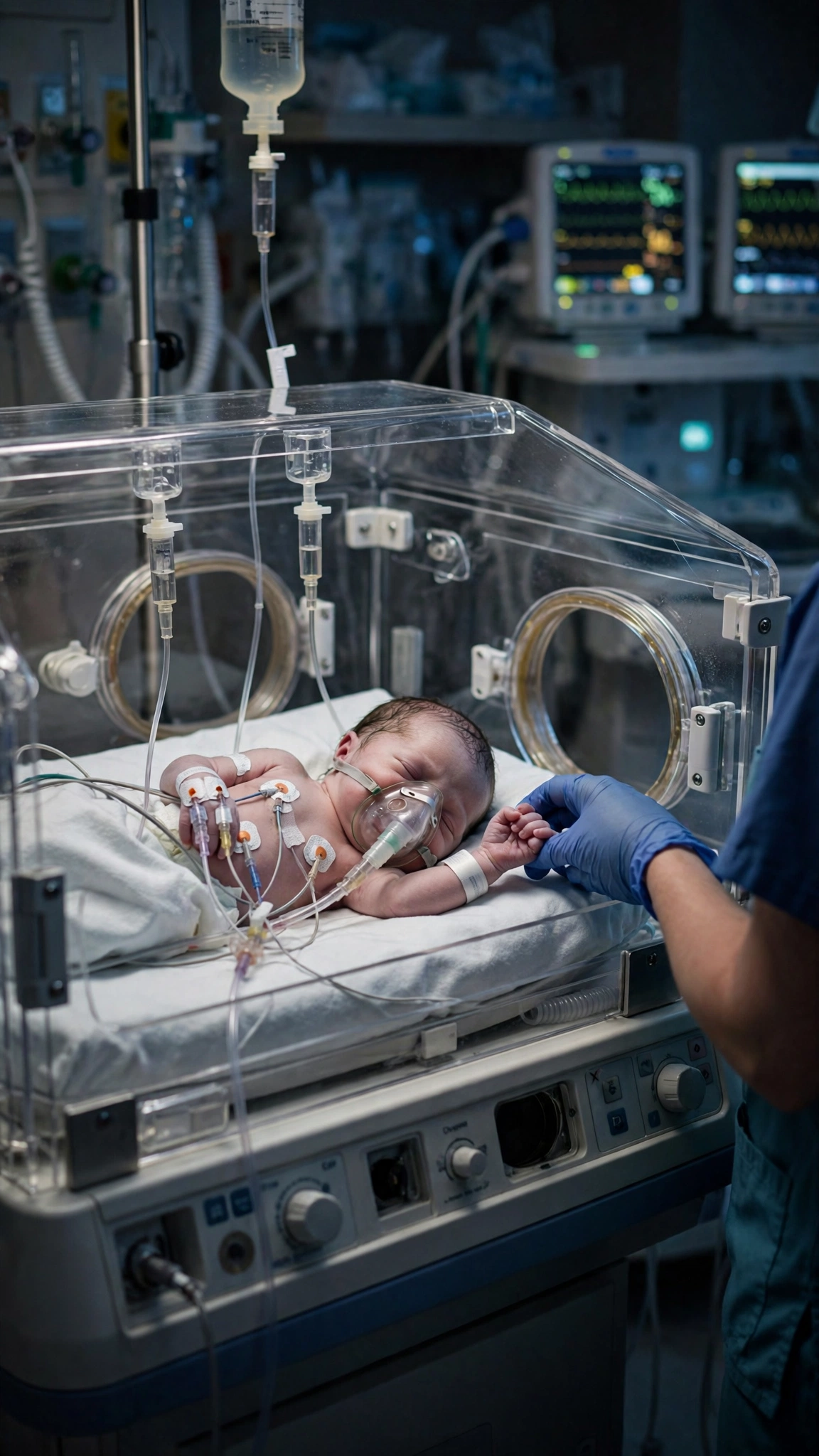
What Parents Mistook for an Ordinary Fever Turned Out to Be a Devastating Viral Infection Affecting Multiple Organs
The hidden danger of a serious infection during the first weeks of life
The first few days after a baby is born are often among the happiest moments in a family’s life. Parents spend hours watching their newborn sleep, feeding their little one, and eagerly anticipating every tiny change.
But for some families, that happiness can quickly turn into fear when their newborn suddenly develops a serious infection.
One of the most dangerous infections affecting newborns is caused by the herpes simplex virus (HSV), particularly HSV-1 and HSV-2.
These viruses can spread through direct contact. Adults carrying HSV may experience only mild symptoms or may not even realize they are infected. However, when the virus is transmitted to a newborn, the consequences can be far more severe.
Neonatal herpes is generally classified into three main forms: infection limited to the skin, eyes, and mouth; infection involving the central nervous system; and disseminated infection, which affects multiple organs throughout the body.
The disseminated form is especially dangerous because it can damage the liver, lungs, adrenal glands, and other vital organs.
⚠️ The earliest symptoms can be difficult to recognize. A newborn may feed less than usual, develop a fever or unusually low body temperature, become excessively sleepy, or be difficult to wake. The baby may also become less responsive to people and surroundings.
As the infection progresses, more serious complications can develop, including breathing difficulties, seizures, impaired liver function, and circulatory problems. If the virus affects the central nervous system, it can cause inflammation of the brain and potentially lead to lasting neurological damage.
In severe cases, newborns require intensive hospital care. Treatment typically involves intravenous antiviral medication, along with respiratory support and careful management of complications.
What makes this infection particularly frightening is how quickly it can progress. A baby may appear healthy during the first few days of life before suddenly developing worrying symptoms.
Doctors emphasize that parents should never ignore warning signs such as fever, poor feeding, unusual sleepiness, or changes in a newborn’s behavior. Any concerning symptoms require immediate medical ᴀssessment.
🧼 Prevention is essential. Adults should wash their hands before holding a newborn, avoid kissing the baby’s face or mouth, and stay away from close contact when they have an active herpes sore. Items that may come into contact with saliva should not be shared with the baby.
During the first six weeks of life, newborns are especially vulnerable. A simple precaution, such as washing hands or avoiding contact while infected, can make a significant difference.
Sometimes, the greatest danger is not something we can see, but an invisible virus that can be pᴀssed through what seems like an innocent touch.
May every newborn be protected from harm, grow stronger each day, and enjoy a healthy, happy start to life.