Nearly 30 Years On, the Tiny DNA Sample That Still Holds JonBenét Ramsey’s Unsolved Case May Finally Be Ready for the Technology That Named the Golden State K*ller

Nearly three decades after six-year-old JonBenét Ramsey was found ᴅᴇᴀᴅ in the basement of her family’s Boulder home on December 26, 1996, the investigation remains one of America’s most scrutinized cold cases, kept alive in large part by an extremely small and complex sample of unidentified male DNA recovered from her clothing. Official statements from the Boulder Police Department and Boulder County District Attorney’s Office in recent years, including updates issued around the approach to the 26th anniversary, continue to emphasize that this DNA evidence is limited, that further testing risks consuming what remains, and that discussions with the Colorado Bureau of Investigation, the FBI, and private laboratories about the viability of additional analysis and genetic genealogy are ongoing. Whenever proven technology can reliably handle samples matching those available in the case, additional work will proceed.
 S
John Ramsey, JonBenét’s father, has repeatedly stated that early testing by an outside laboratory, Bode Labs, identified unidentified male DNA on her underwear in January 1997, a profile that does not match family members and has never been linked to a named individual in public databases. He has described the situation as possessing the killer’s DNA and has pressed for the application of forensic genetic genealogy, the method that identified the Golden State Killer through distant relatives in public genealogy databases, arguing that specialized private labs are better equipped for the work than local agencies.
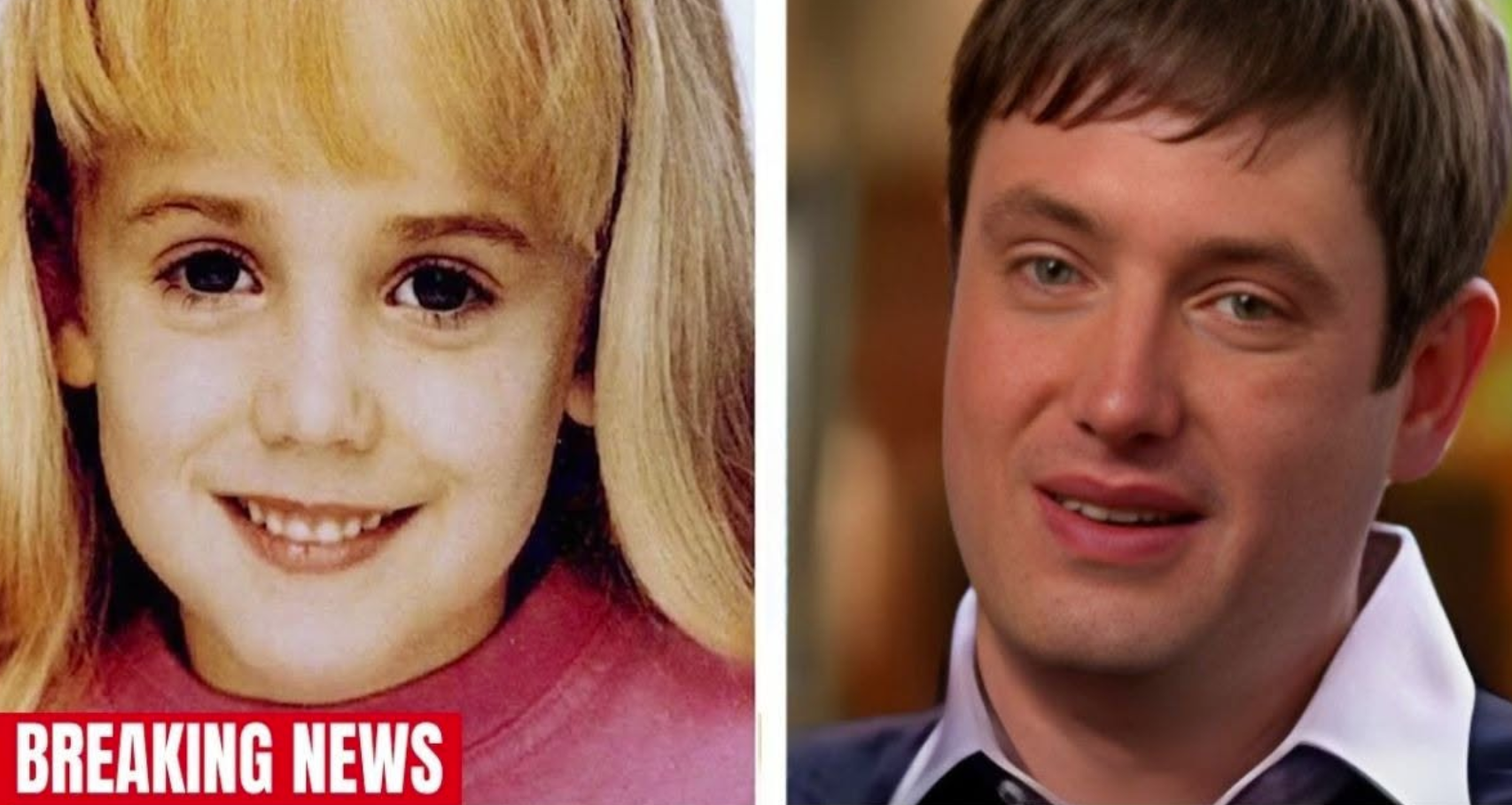
Police have confirmed that multiple suspects have been checked against advances in DNA technology, that the Colorado Bureau of Investigation has updated hundreds of reference samples, and that comparisons continue for accuracy. In a December 2025 annual update, Boulder Police Chief Stephen Redfearn reported that detectives had conducted new interviews, re-interviewed individuals based on tips, collected new evidence, and tested or re-tested other pieces to generate leads, while stressing that the case remains a top priority and that specifics cannot be shared without compromising the active investigation.

Experts have noted the technical challenges of mixed or limited profiles, including descriptions of the underwear DNA as a complex mixture that current sequencing methods may not yet fully resolve without risk of depletion. The department works with federal, state, and local partners and has consulted outside experts, including cold-case review processes. No arrest has been made, the family was formally cleared by DNA evidence years earlier, and the investigation continues to process tips while urging anyone with information to contact the tip line. The core constraint remains the same: the sample is small, the technology continues to evolve, and any next step must be weighed against the irreversible loss of remaining material.