Michigan Family “Blindsided” After 8-Year-Old Daughter Diagnosed with Rare Condition Known as Childhood Dementia
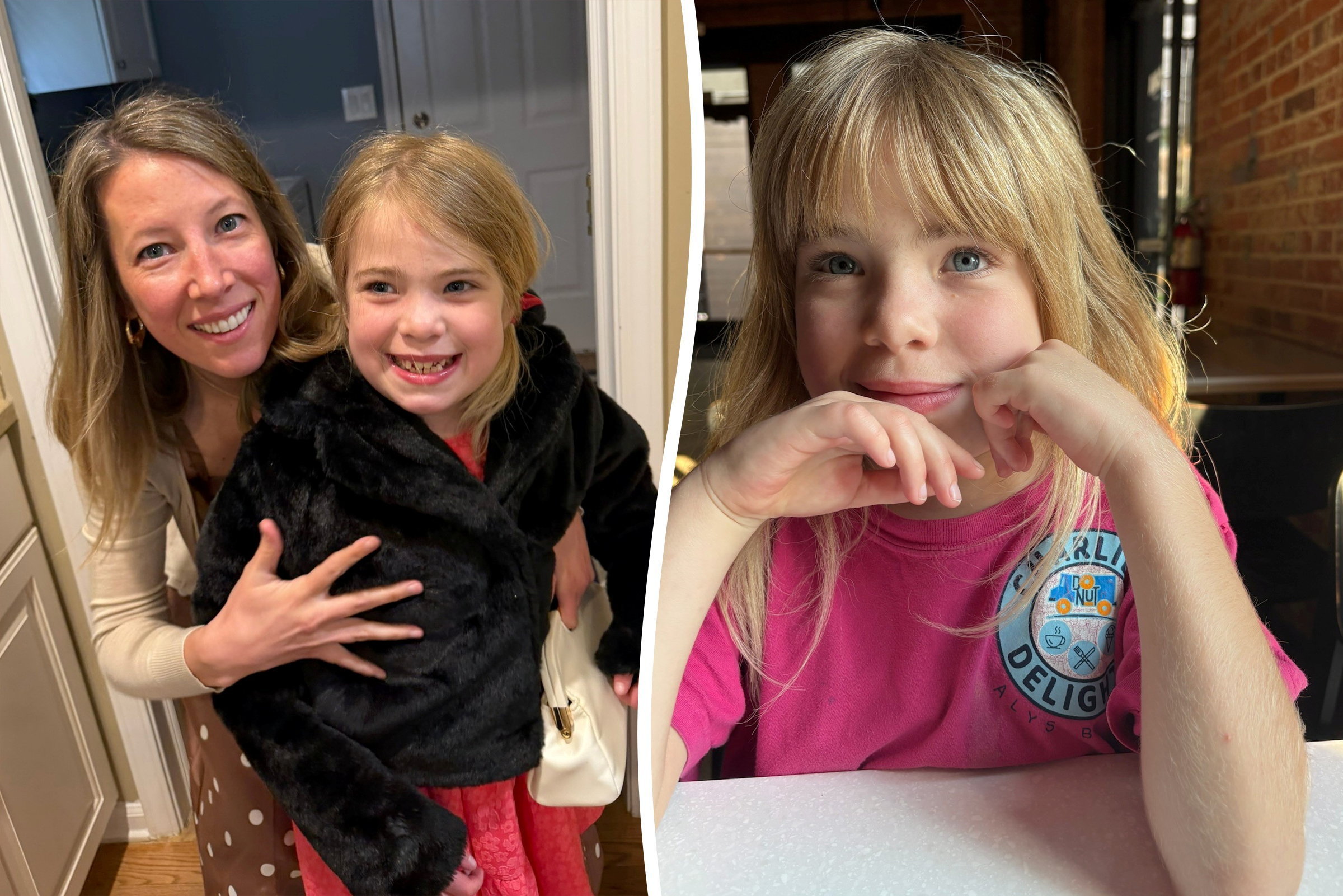
A Michigan couple has shared the subtle early warning signs that eventually led to their young daughter’s devastating diagnosis of a rare genetic disorder often described as “childhood dementia.”
David Walline, 41, and Chelsea Walline, 39, of Traverse City first became concerned when their daughter Elle, now 8, was not developing at the same pace as other children her age. They noticed she typically spoke in short sentences of only five to seven words and had difficulty retelling simple stories. Learning the alphabet was a struggle, and during soccer she would run around the field without actually kicking the ball.

Elle was enrolled in speech and physical therapy, but her parents observed that the more instructions she received, the harder it became for her to learn. At age 5 she underwent neuropsychological testing that ᴀssessed cognitive abilities, memory, language, and other brain functions. The results led to diagnoses of autism and cognitive impairment.
Following standard protocol after an autism diagnosis, the family pursued genetic testing. On June 3, 2025, when Elle was 7 years old, the results confirmed she has Sanfilippo syndrome type C — a rare, inherited lysosomal storage disorder that causes progressive damage to the brain and body.
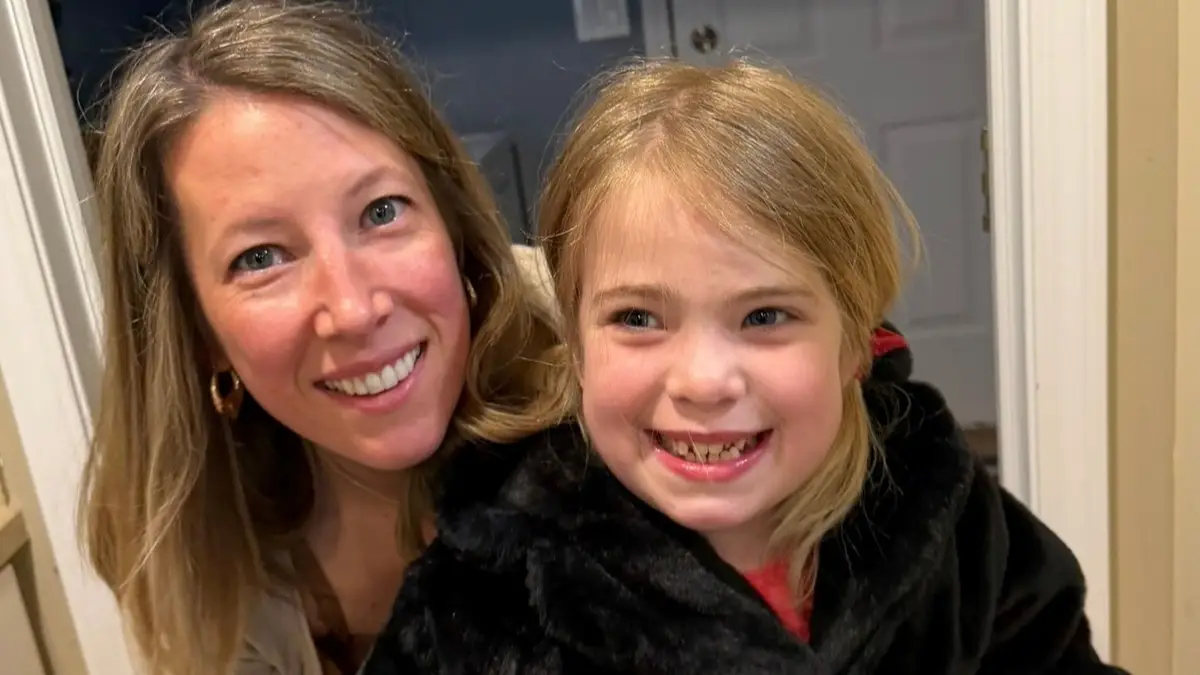
The diagnosis left the parents “blindsided” and devastated. Doctors explained that there is currently no cure and that the disease is progressive. Elle is expected to gradually lose the ability to walk, talk, and eventually remember her family. Life expectancy is typically into the teenage years.
“We were devastated; you just never think it will happen to your child,” Chelsea said. “To hear a doctor tell you that your child’s life expectancy will be into their teenage years, when they are already 7, is the most heart-breaking thing.” David added that medical staff told them there was nothing that could be done to stop the decline.
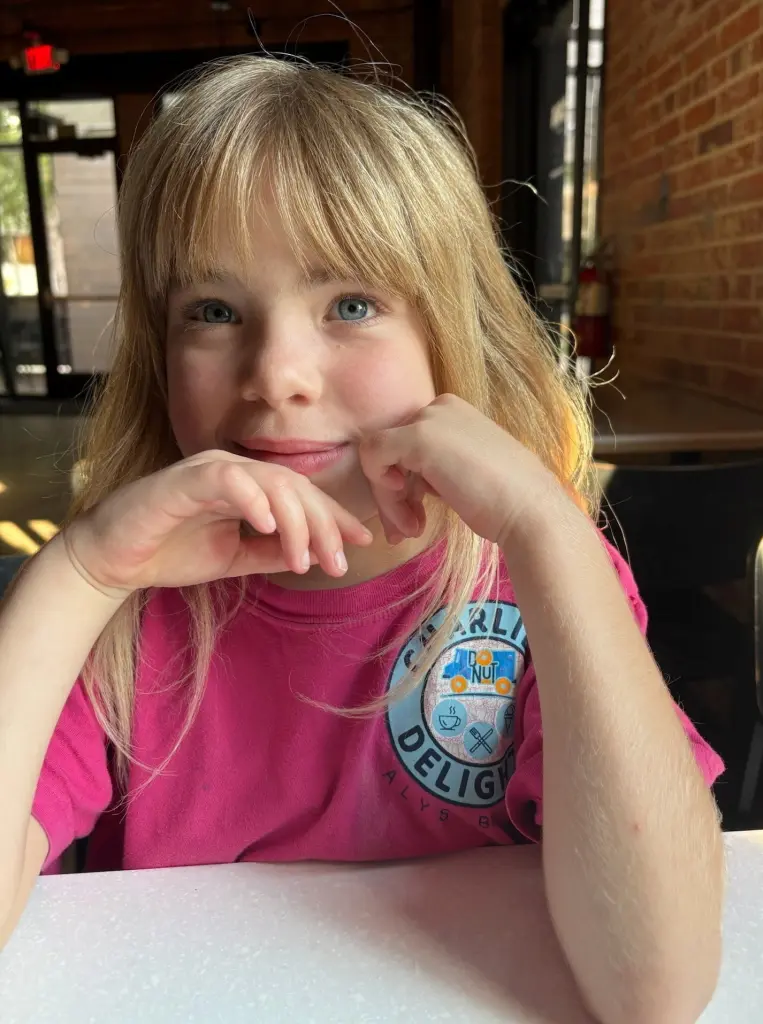
After months of processing the news, the Wallines began researching potential treatments. They learned about gene therapy approaches that deliver a working copy of the faulty gene so the body can produce the missing enzyme. A similar therapy has already received FDA approval for Sanfilippo syndrome type A, but not yet for type C.
The family is now working with other affected families to raise $2.5 million to advance clinical trials for type C. They hope to secure the funding in time to give Elle and other children with the same form of the disease a chance at treatment.
“We are hopeful that Elle will get treatment; if we weren’t, I don’t think we could do this,” David said. “Since Elle’s diagnosis, we learned that there had been a lot of research going on over the last decade that is ready for clinical trials but needs funding.”
Elle’s story highlights both the quiet early signs of this rare condition and the urgent need for continued research into treatments that could slow or halt its progression.