Madeleine McCann Suspect Christian Brückner No Longer Under Constant Police Surveillance After German Court Ruling
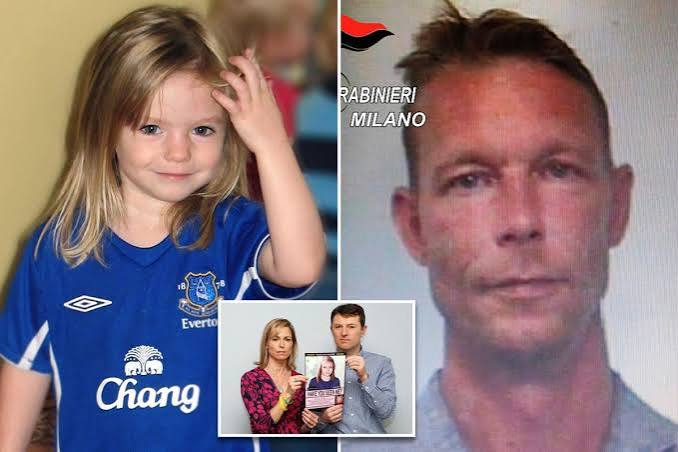
German authorities will no longer keep the main suspect in the Madeleine McCann case under round-the-clock police observation following a court decision that found he no longer meets the criteria for the highest level of monitoring.
Christian Brückner, 49, a convicted Sєx offender, had been subject to continuous surveillance since his release from prison in September 2025. He completed a seven-year sentence for the rape of an elderly woman. After leaving custody, he moved between homeless shelters, motels, and temporary state housing in the Kiel area of northern Germany.
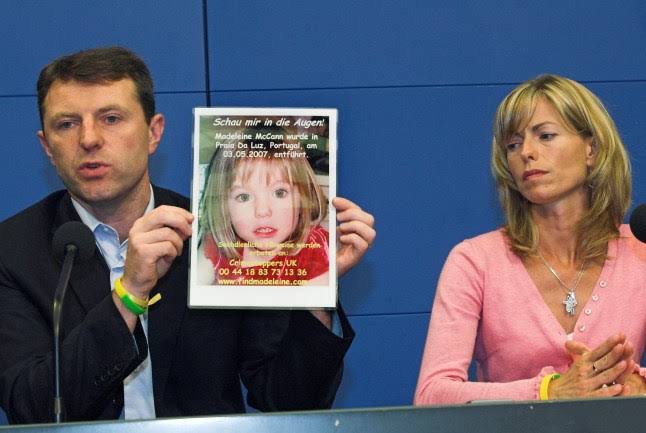
Police had maintained close watch on him because a court-appointed expert previously ᴀssessed him as presenting a high risk of committing further offences. That ᴀssessment justified constant observation. However, a new expert evaluation and additional evidence led courts to conclude that he should no longer be classified in the high-risk category that requires permanent police presence.
A regional court in Kiel first ruled against extending the intensive surveillance. Police appealed the decision, but on Friday the higher regional court rejected that appeal. The court noted that other supervisory measures, including the requirement for Brückner to wear an electronic ankle monitor, could remain in force.
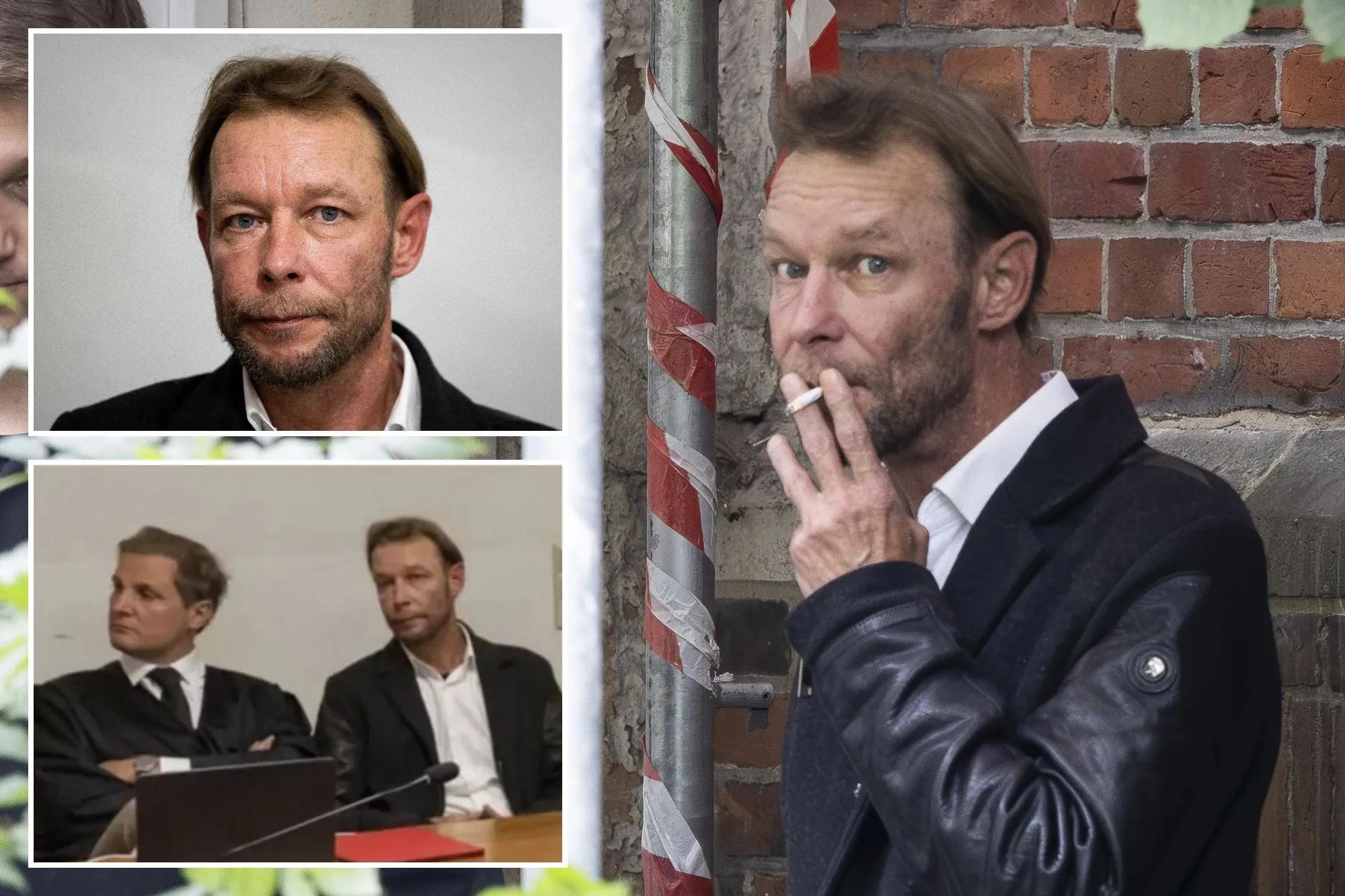
Police in Kiel stated they would continue to monitor him as closely as existing legal powers allow. Brückner’s lawyer, Philipp Marquort, said his client was “very happy” with the outcome and had repeatedly expressed thanks when informed of the ruling. The lawyer emphasised that two courts had now agreed the legal threshold for round-the-clock surveillance was no longer met.
Brückner was named the prime suspect by German prosecutors in 2020 in connection with the disappearance of three-year-old Madeleine McCann from a holiday apartment in Praia da Luz, Portugal, in May 2007. Prosecutors said they possessed concrete evidence linking him to the case but insufficient material to bring charges. A mobile phone registered to him was recorded in the vicinity of the McCanns’ accommodation on the night she vanished.
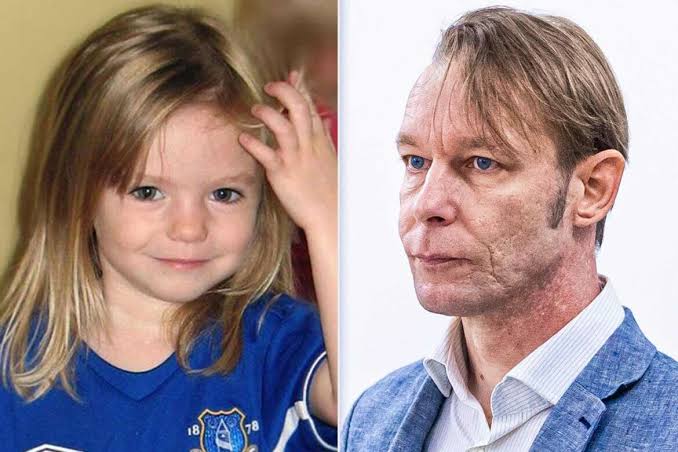
Brückner has consistently denied any involvement. He has claimed he was nearby that evening because he was selling drugs on a beach close to the resort and fled the area when police activity intensified after Madeleine’s disappearance. He remains the primary focus of both German and British investigations but has never been charged in relation to the case.
The end of constant physical surveillance marks a significant change in how authorities oversee Brückner more than 19 years after Madeleine McCann vanished. While the intensive monitoring has been lifted, other restrictions continue, and investigators maintain that the inquiry into her disappearance remains open.