Investigators Retesting Decades-Old Evidence in JonBenét Ramsey Case with Advanced Technology
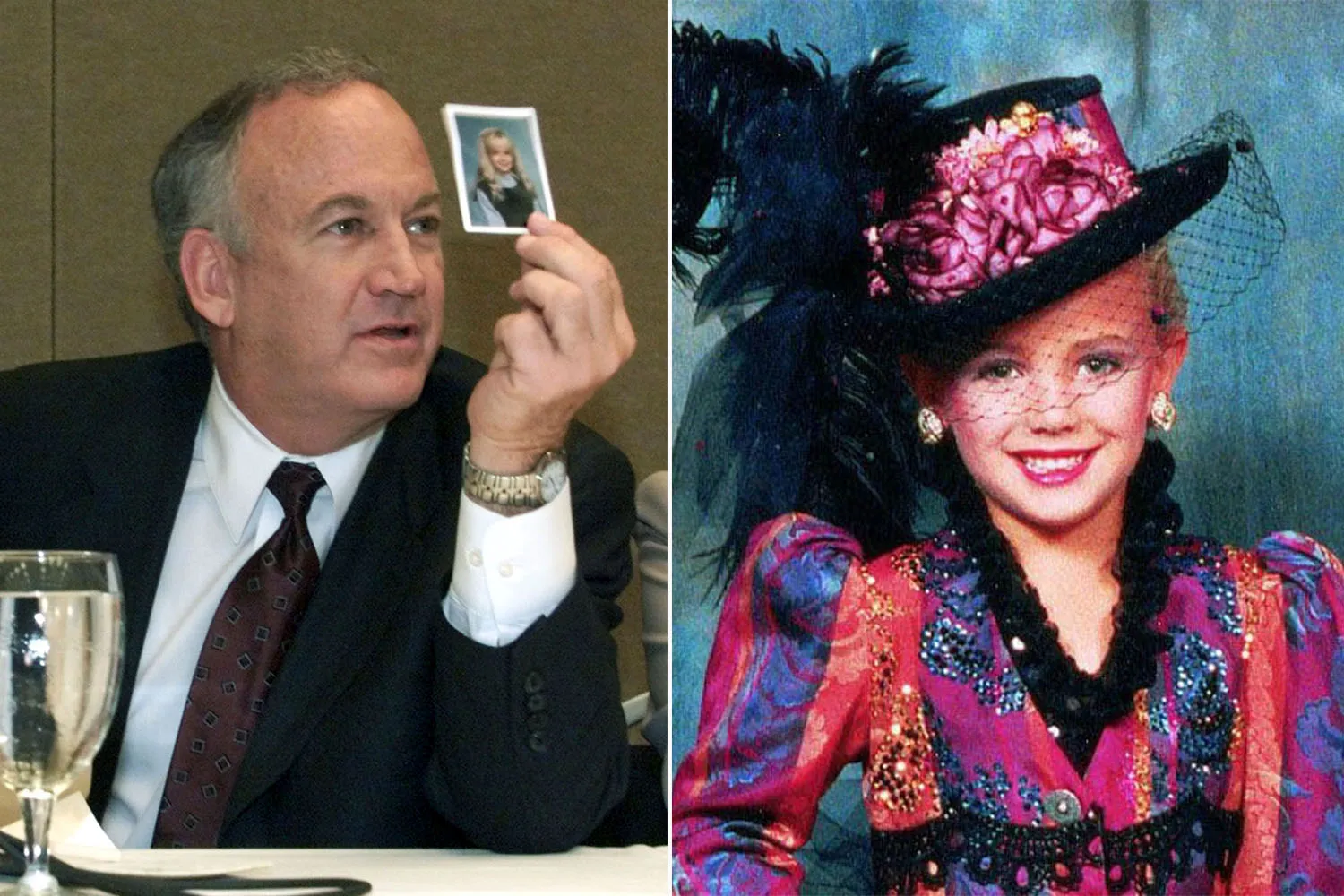
Nearly three decades after the unsolved murder of six-year-old JonBenét Ramsey, Boulder authorities have confirmed they are re-examining key pieces of evidence using modern forensic methods. Police Chief Steve Redfearn and District Attorney Michael Dougherty told reporters this month that the advances in DNA technology have increased their optimism about making progress in the long-standing cold case.
JonBenét was found ᴅᴇᴀᴅ in the basement of her family’s Boulder, Colorado, home on December 26, 1996. She had suffered strangulation and a severe head injury. Despite years of investigation, numerous theories, and multiple persons of interest, no one has ever been convicted, leaving the case among the most closely watched unsolved crimes in the United States.

Redfearn stated that investigators are returning to items that were originally tested around 1997 and subjecting them to newer laboratory techniques. “We’re also going back, based on that cold case review, and retesting things that were tested 30 years ago with newer technology,” he said. He noted that improved methods might reveal information that earlier testing could not detect, even on the same evidence.
Dougherty expressed similar hope. He and the police chief are “more hopeful now than we have been in the past because of the advances in the investigation and the advances in technology,” particularly the progress made in DNA analysis. He explained that modern tools are better at separating and identifying profiles in mixed samples—situations where DNA from more than one person is present on the same item. Quanтιтy, quality, and location of the genetic material all play critical roles, he added.

JonBenét’s half-brother, John Andrew Ramsey, has long maintained that authorities already possess DNA belonging to the killer. He has pointed to earlier findings, including male DNA detected alongside the victim’s blood and touch DNA recovered from both sides of the waistband of her long johns in 2008 testing. He has expressed confidence that this material is linked to the person responsible.
The family has for years urged investigators to pursue investigative genetic genealogy, a technique that combines DNA results with genealogical research to generate leads. John Ramsey, the child’s father, has repeatedly called for greater use of such methods.
Authorities acknowledged the delicate balance involved in further testing. Analyzing limited or mixed samples can consume part of the evidence, so decisions are being made carefully. “We’re not gonna do it recklessly,” Dougherty said, while emphasizing that the team also will not hesitate. “We recognize the clock’s ticking… We wanna see this case solved for everyone involved.”

If the current round of DNA work does not produce new breakthroughs, Redfearn indicated that investigators still hold additional evidence that has never been publicly released. They may choose to share some of that material in the hope of prompting new tips. Tips continue to arrive regularly, and officials believe more than one person may possess relevant information.
As the 30th anniversary of JonBenét’s death approaches in December 2026, the renewed focus on forensic retesting reflects both the persistence of the investigation and the impact of technological progress on long-unsolved cases. Authorities continue to encourage anyone with information to come forward.