IF LINDSAY CLANCY FACES A SECOND TRIAL, THE TIMELINE AND EVIDENCE COULD COME UNDER A NEW LEVEL OF SCRUTINY
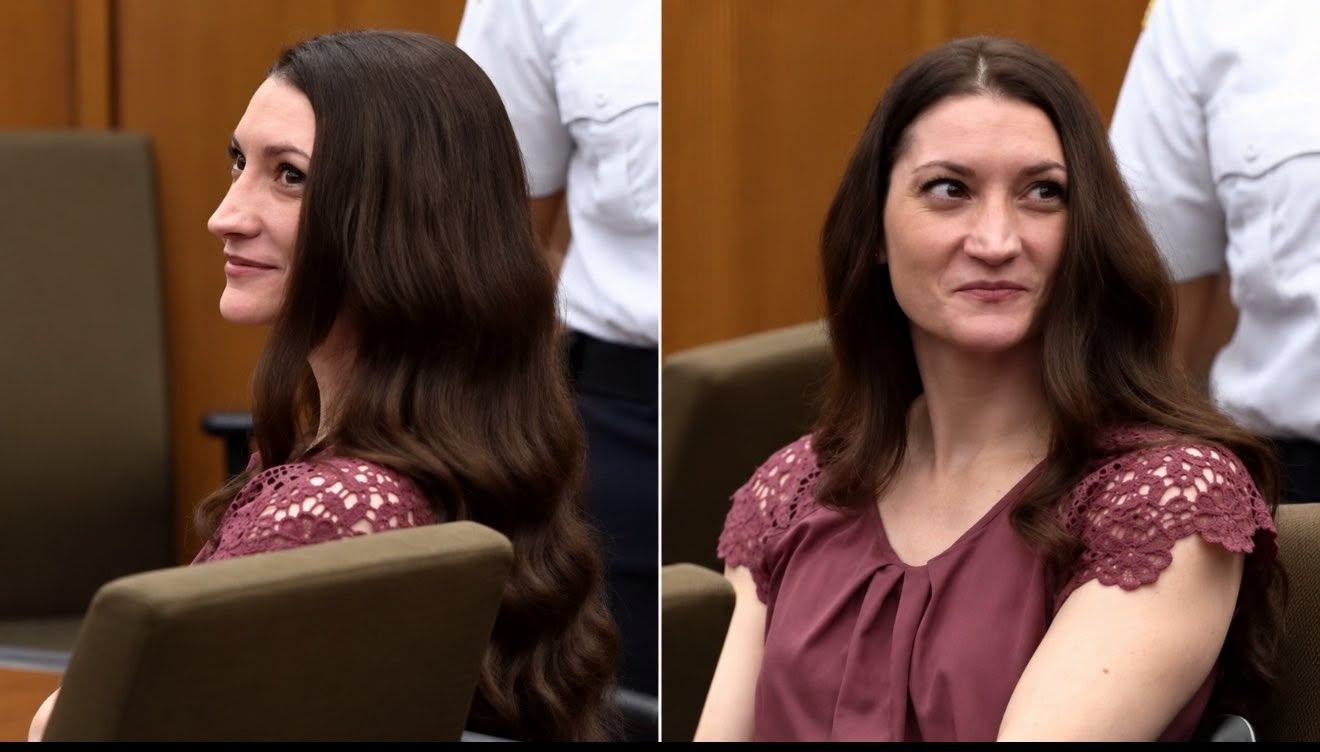
If the Commonwealth decides to retry Lindsay Clancy, the next trial could look very different from the first.
The September mistrial ended without a verdict after jurors were unable to reach a unanimous decision. Clancy’s defense had focused heavily on whether she was criminally responsible because of postpartum psychosis. But in the aftermath, attorney Kevin Reddington began publicly raising a broader question: whether prosecutors had adequately established the underlying case against his client.
That shift could put the evidence itself back under the microscope.
One major area would be the timeline surrounding Patrick Clancy’s trip away from the Duxbury home on January 24, 2023. Trial testimony and surveillance evidence covered his trip to CVS and a nearby restaurant before his return home and subsequent 911 call. The jury was even taken to the relevant locations during the trial to better understand the route and timing.
If there is another trial, every part of that sequence could once again become important: when Patrick left, how long he remained at each location, how long the drives took, and what investigators believe occurred at the home while he was away.
The physical evidence could also receive renewed attention.
During the first trial, investigators testified about evidence collected from the home, including the exercise bands and a kitchen knife. The defense could continue to challenge how investigators interpreted that evidence and what conclusions can — and cannot — reasonably be drawn from it.
At the same time, it is important not to turn the absence of usable fingerprints into proof of an alternative scenario. A lack of recoverable fingerprints does not establish who handled an item or what happened to it. It is evidence that can be questioned alongside the rest of the prosecution’s case.
And there is another important development after the mistrial: on October 1, Judge William Sullivan rejected Clancy’s argument that prosecutors had not presented enough evidence for a reasonable juror to find her responsible. The judge’s ruling means the defense’s broader evidentiary challenge has already faced a significant setback in court.
So if the Commonwealth ultimately seeks a retrial, the central question may not simply be whether the defense repeats its first strategy.
It may be whether the next jury sees the same evidence — the timeline, digital records, physical evidence and testimony — through a different legal and factual lens.
For now, no retrial has been announced. The September mistrial left the charges unresolved, and the Commonwealth must decide whether to pursue another trial.
Source: ᴀssociated Press, ABC News, Washington Post, Mᴀssachusetts court proceedings