He Filmed Every Chemo Port, Every Hospital Bed, and the Exact Moment He Told His Four-Year-Old Son He Was Dying

Marcel Johnson did not begin as a cancer creator. He was a baker in Mount Clemens who, with his wife Taylor, ran Lil Daddy’s Cheesecakes and posted ordinary family clips under @celnoshell. In August 2025 severe stomach pain sent him to urgent care; within five days doctors delivered a stage-four gastric adenocarcinoma diagnosis that had already metastasized to the liver. Instead of putting the camera away he kept recording. The posts that followed showed chemotherapy ports, progressive weight loss, days he could barely sit up, and evenings he still spent with his five sons. Followers who arrived for baking videos stayed for the unscripted reality, and the account climbed toward a million followers and tens of millions of likes.
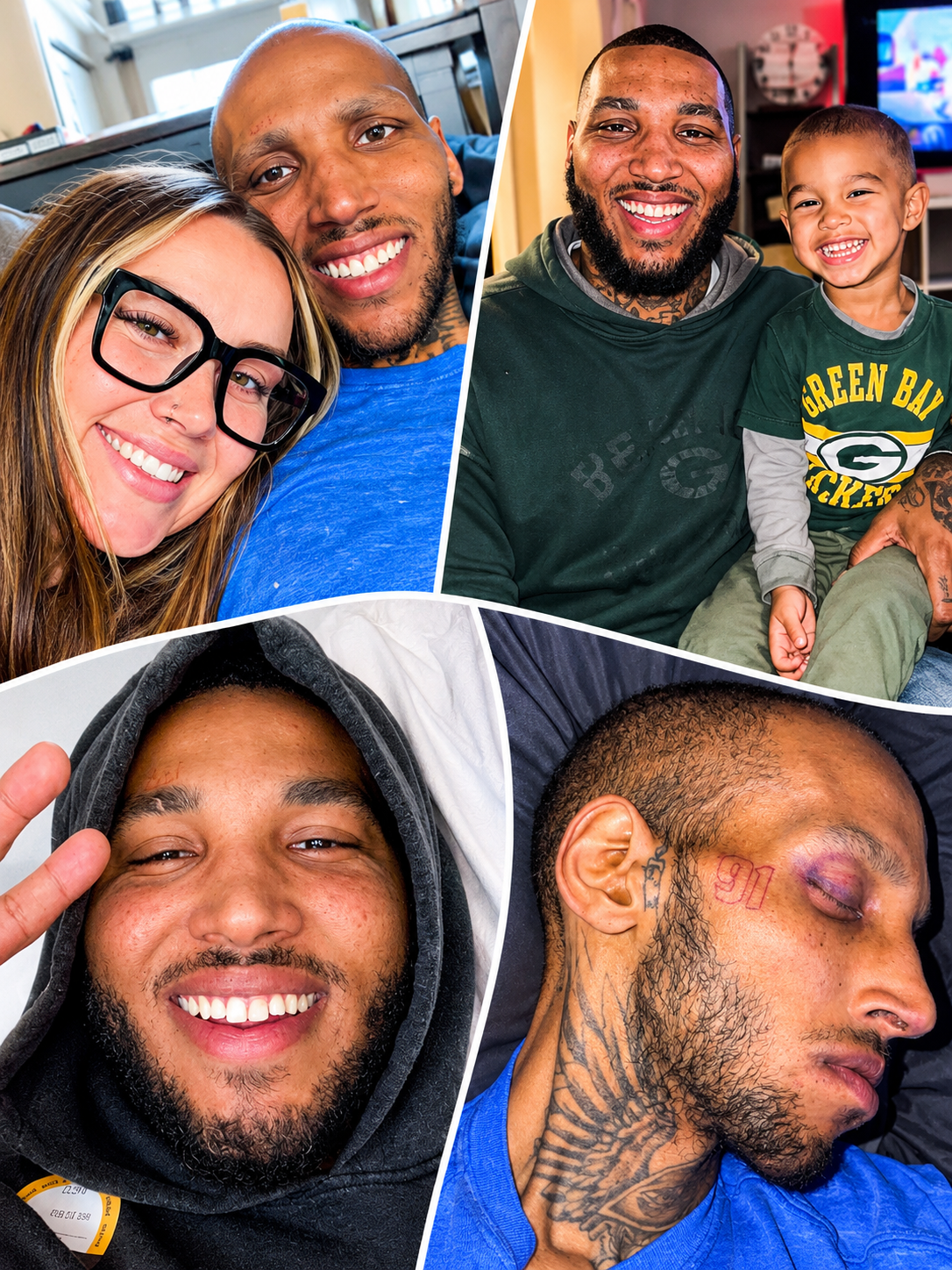
The choice to remain public shaped every month that followed. He filmed roughly twenty-five rounds of chemotherapy before September 2026, when he posted that he was too weak to continue and that hospice was calling daily. Viewers watched him handle the constant stream of unwanted medical advice, describe the pressure the illness placed on his marriage, and still locate moments of ordinary humor. One clip in particular traveled widely: the conversation in which he sat with four-year-old Kobe and answered the child’s questions without soft lighting or inspirational music. That single exchange drew people who had never followed health content, because it showed strength as the act of sitting on the floor and telling the truth. By the time he and Taylor flew to City of Hope in mid-October, the audience had already watched the full arc from initial shock to the recognition that further treatment was impossible.
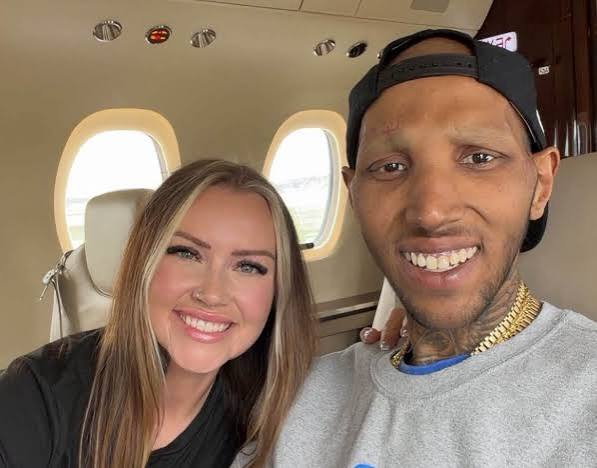
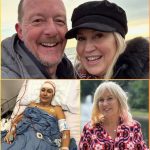
City of Hope confirmed the body could no longer tolerate additional chemotherapy or trials. He returned to Michigan, entered hospice, and continued posting until the final days. The last TikTok, shared five days before his death on November 2, opened with a healthier memory from October 2025 and cut to recent hospital footage and a quiet image of him smiling faintly beside one of the boys. The caption urged viewers to change their lives while the choice still existed. That post, paired with Taylor’s later statement that his only words on the final morning were “I’m ready to go,” closed the public record. He died at home at 4:45 p.m.; Taylor stayed with him for about eight hours, later writing that she was proud to have respected his wish to the end.
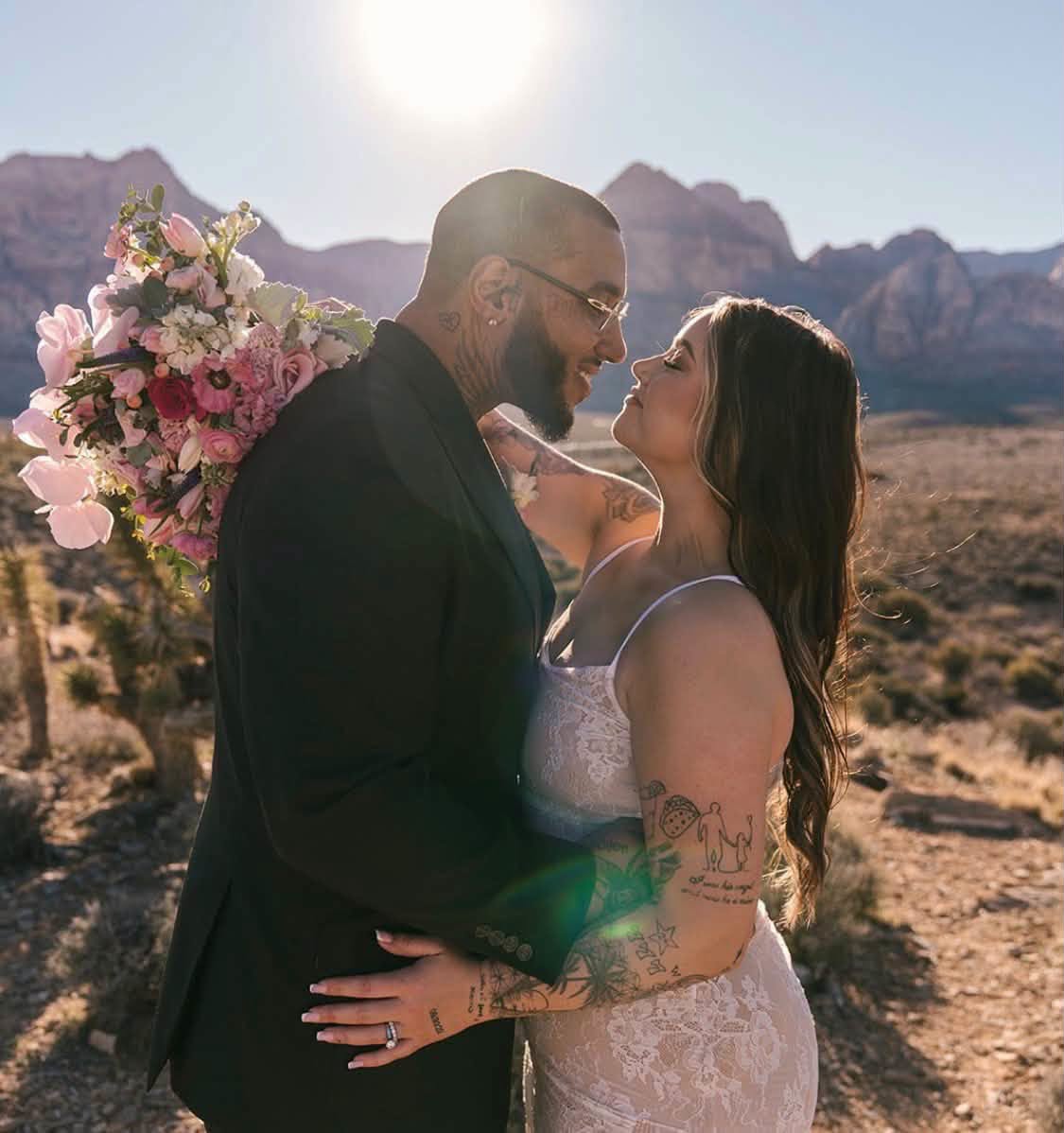
The speed of the response reflected how closely people had followed the footage. Within days the GoFundMe already above $370,000 shifted from medical costs to support for Taylor and the children. Comments under her posts moved from the encouragement that had filled the chemo videos to grief that repeatedly cited the same quality: he had shown the worst days and the best days without curation. Local coverage noted the bakery continued while the family absorbed the loss, and Taylor specifically asked followers not to generate AI recreations of Marcel or the boys. The request underscored that the value of the account had always been the real person.
What the record ultimately supplies is a sustained example of radical transparency during terminal illness. Marcel Johnson filmed the ports, the conversations with his sons, the decision to stop treatment, the California trip, and the final weeks at home. Nearly a million people watched because the footage refused the usual filters. The four words spoken at dawn on November 2 did not erase that archive; they simply marked its last entry, spoken quietly so the family could hear it first and the rest of the world could understand why the camera finally went dark.