Hawaiian Monk Seals: A Fragile Fight for Survival on Hawaii’s Shores
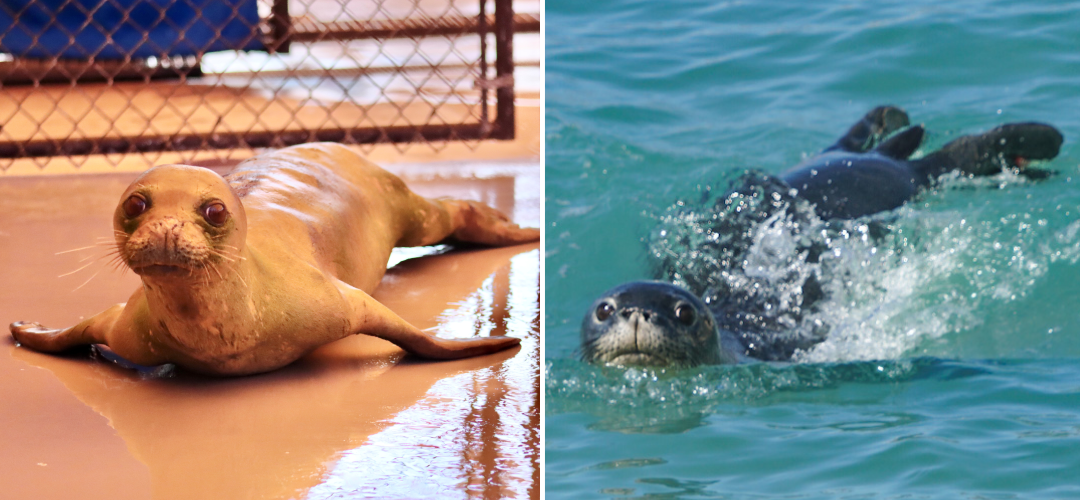
Along the warm beaches and turquoise waters of Hawaii, one of the ocean’s rarest animals continues its difficult fight for survival. NOAA Fisheries has shared new updates about Hawaiian monk seals, an endangered species found only in Hawaii, where every birth, rescue, and release can make a meaningful difference for the future of the population.
One of the most heartbreaking updates involves RH32, also known as Ka‘ale, a 10-year-old male monk seal who was often seen along the Wai‘anae coast of O‘ahu. On May 6, NOAA Fisheries responded to a report of a deceased monk seal near Nānākuli. Thanks to a quick call to the wildlife H๏τline, response teams were able to recover the animal with help from Hawaiʻi Marine Animal Response, Honolulu Ocean Safety, the Hawai‘i Department of Land and Natural Resources, and NOAA’s Office of Law Enforcement. Scientists later identified the seal as Ka‘ale, a familiar presence to many local residents. Over the years, he had survived several dangerous situations, including accidental hookings and entanglements. His cause of death is still unknown, and NOAA is conducting a post-mortem examination to better understand what happened.
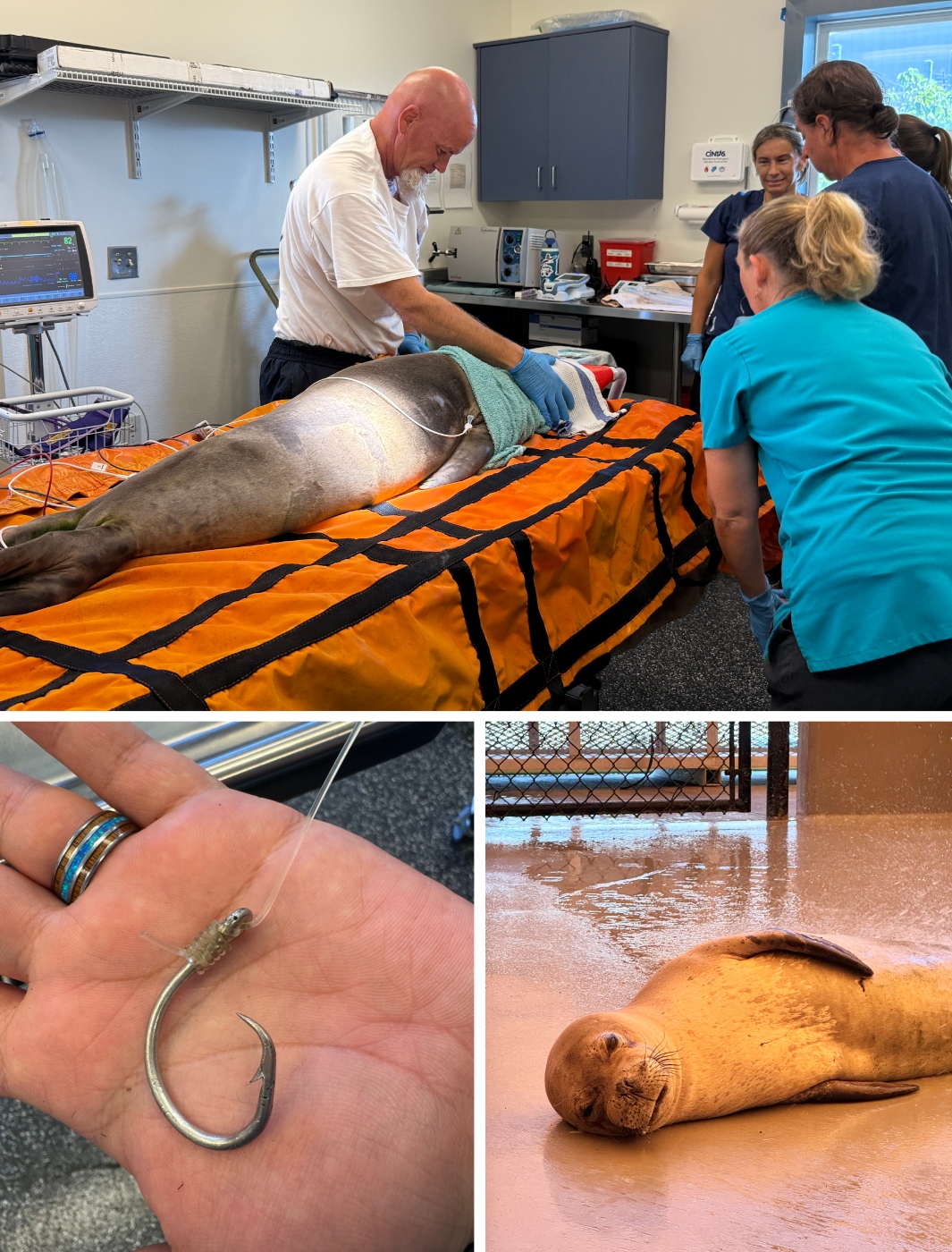
But amid the sadness, there are also stories of hope. In late August, community members reported seeing fishing line trailing from the mouth of a juvenile male monk seal named R2XU. Rescue teams quickly responded and confirmed that he had likely swallowed a fishing hook. He was transported by helicopter to Ke Kai Ola, The Marine Mammal Center’s Hawaiian monk seal hospital in Kona, where veterinarians successfully removed the hook. After treatment and recovery, R2XU was released back into the wild on Kauaʻi in early September — a powerful reminder that quick reporting can save a seal’s life.
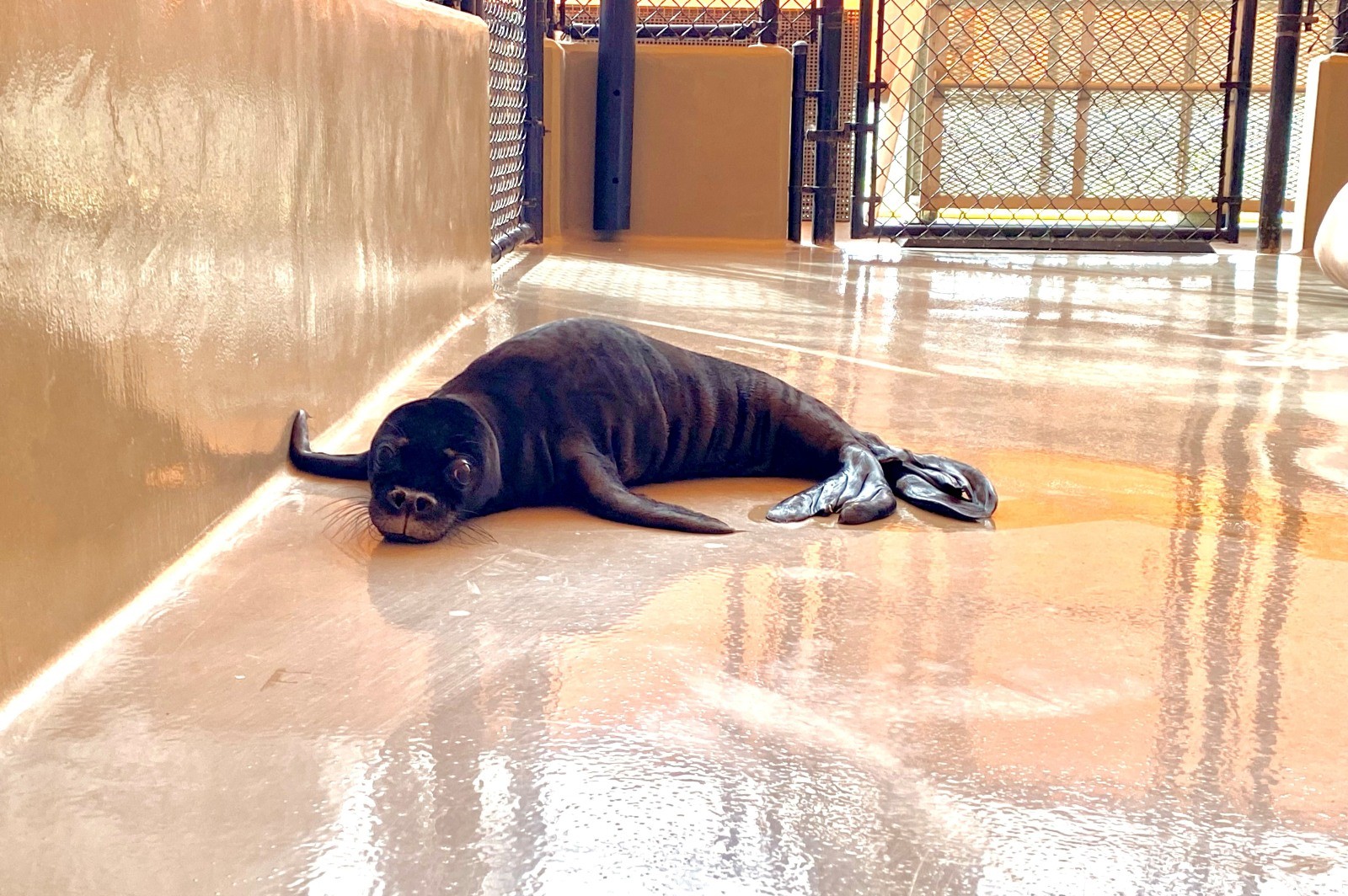
NOAA also reported that 2025 has been a strong year for monk seal births in the main Hawaiian Islands, with 35 pups recorded so far. Most of the young seals are doing well, but two pups needed urgent help. RU28, born on Kauaʻi to a known survivor named RH38, was found to be underweight after weaning. Because young seals depend on stored body fat while learning to hunt, his low weight made survival unlikely without intervention. He was taken to Ke Kai Ola, where he is now gaining strength.
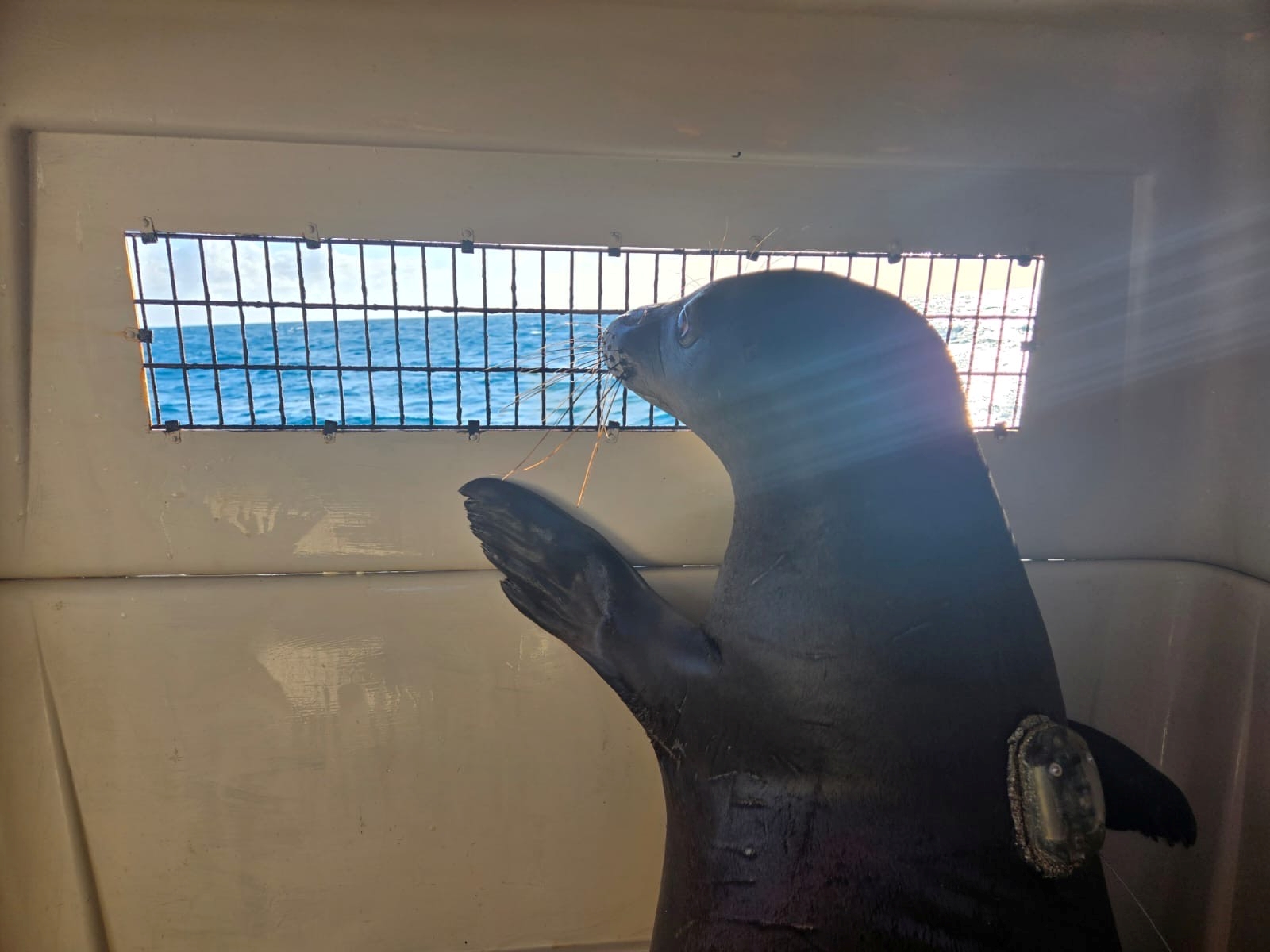
Another pup, RU99, was found alone on the eastern shore of Molokaʻi with no mother nearby. At only about two weeks old, he was far too young to survive without nursing care. After monitoring the area and seeing no sign of his mother’s return, rescuers transported him to the same hospital. He is now growing under expert care, giving him a second chance at life.
There have also been major success stories. Four endangered Hawaiian monk seals — DT46, DT48, R419, and RS52 — returned to the wild in 2025 after receiving life-saving rehabilitation. DT46 and DT48 were underweight pups from Papahānaumokuākea Marine National Monument whose chance of surviving the winter was extremely low without help. R419, found on O‘ahu, arrived at the hospital severely underweight and suffering from infected injuries, but later gained about 100 healthy pounds before release. RS52, a juvenile male rescued from Maui, recovered from malnutrition and parasites and has since been seen again in Hawaiian waters.
With only about 1,600 Hawaiian monk seals left in the world, every rescue matters. NOAA reminds the public to give seals space, especially mothers with pups, and to report all monk seal sightings or injured marine animals to the statewide NOAA Marine Wildlife H๏τline. These updates show both the danger and the hope surrounding this endangered species — and prove that one phone call, one rescue, and one act of awareness can help protect Hawaii’s living ocean treasure. 🌺🦭💙