Hawaiian Monk Seal Case Sparks Debate Over Wildlife Protection and Tourist Responsibility
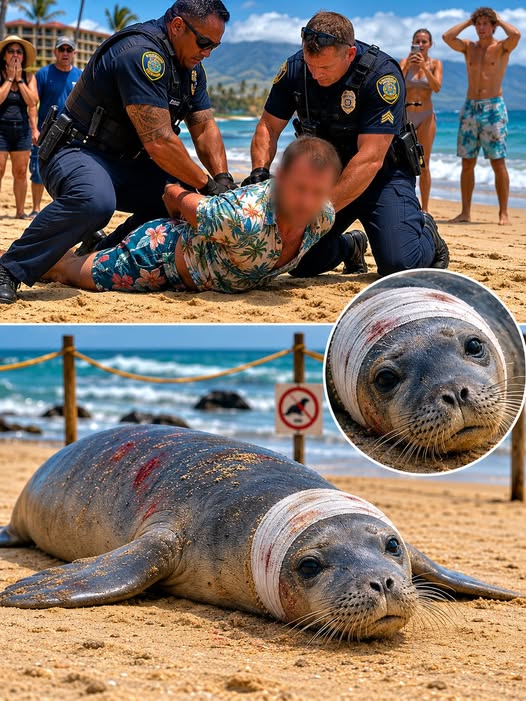
A case involving a protected Hawaiian monk seal, known locally as Lani, has prompted renewed discussion in Hawaii about wildlife protection, visitor awareness, and legal accountability.
According to reports, a Washington tourist, Igor Mykhaylovych Lytvynchuk, who is facing a federal case, has pleaded not guilty. His legal team has stated that he believed the seal posed a potential threat and that he was attempting to protect sea turtles at the time of the incident. The case remains under investigation and has not yet reached a final court decision.
Hawaiian authorities and conservation experts emphasize that monk seals are one of the most endangered marine mammals in the world, with an estimated population of around 1,600 individuals remaining in the wild. As a result, they are protected under both federal and state law, and any disturbance can carry serious consequences.
Wildlife officials stress that Hawaii’s beaches are shared spaces where human activity and endangered species often overlap, making public awareness and compliance with guidelines essential. Visitors are typically instructed to maintain a safe distance, avoid interaction, and respect all posted warnings designed to protect both people and wildlife.
The case has also sparked broader debate online about whether more education or stricter penalties are needed to prevent similar incidents in the future. Conservation advocates argue that many wildlife conflicts stem from misunderstanding rather than intent, highlighting the importance of clear communication and visitor education programs.
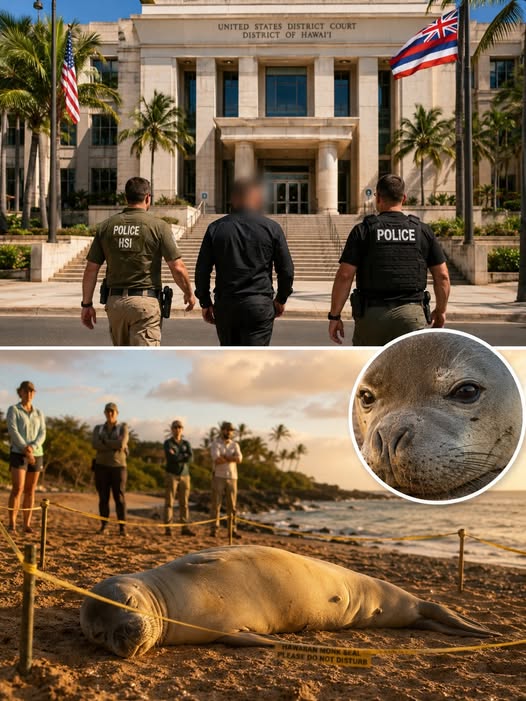
At the same time, others believe that stronger enforcement is necessary to ensure that protected species are not put at risk, regardless of the circumstances or claimed intent.
As the legal process continues, officials have not yet announced a final ruling. The case remains part of an ongoing discussion in Hawaii about how to balance tourism, public safety, and the protection of endangered marine life.
For now, conservation groups continue to urge both residents and visitors to follow established guidelines and treat all wildlife encounters with caution and respect.