Haliskia Petersen: Australia’s “Sea Phantom” Pterosaur That Hunted Fish and Squid 100 Million Years Ago!lh
Haliskia Petersen: Australia’s “Sea Phantom” Pterosaur That Hunted Fish and Squid 100 Million Years Ago!
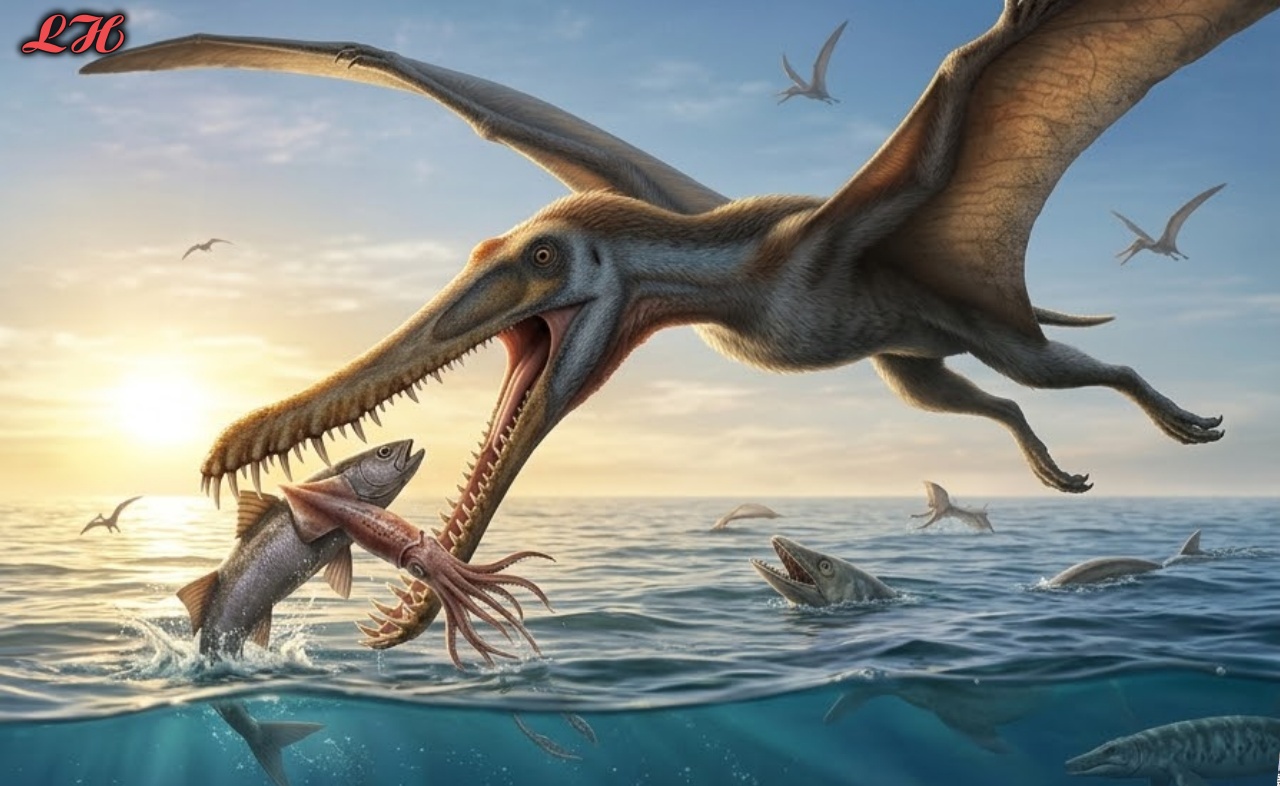
In a major 2024 scientific breakthrough, paleontologists have unveiled Haliskia peterseni—Australia’s most complete pterosaur ever found and a formidable flying predator that soared over the vast Eromanga inland sea 100 million years ago, snatching fish and squid with precision.
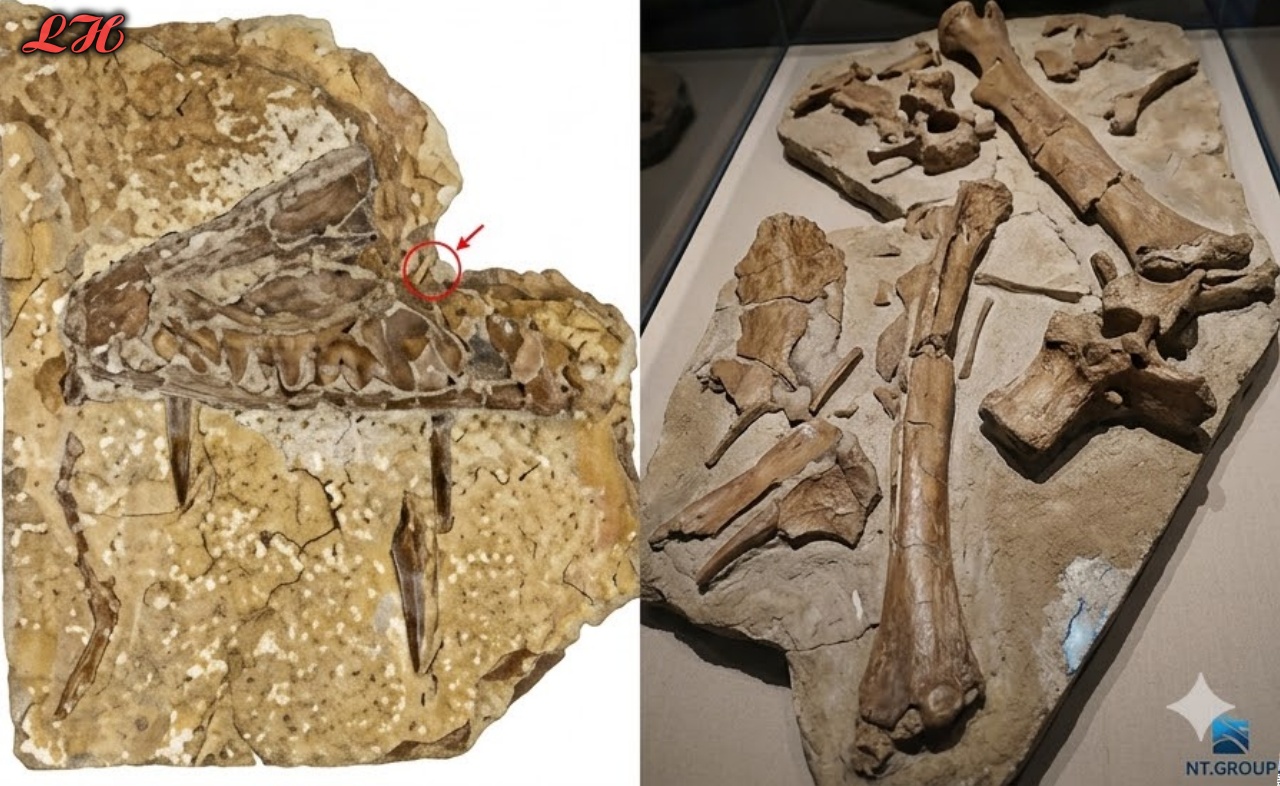
Discovered in November 2021 by amateur fossil hunter and museum curator Kevin Petersen in Queensland’s Toolebuc Formation near Richmond, the partial skeleton (KK F1426) was formally described in Scientific Reports (June 12, 2024) by Adele Pentland and colleagues. With roughly 22% of the skeleton preserved—including skull, jaws, and limb bones—Haliskia (“sea phantom”) represents a stunning leap forward for Australian pterosaur research.
This anhanguerian pteranodontoid boasted a wingspan of approximately 4.6 meters (15 feet) and distinctive dental features: curved teeth with unique size patterns (4th and 5th pairs smaller than neighbors) and a hyoid bone 70% the length of the mandible, suggesting powerful jaw mechanics for catching slippery aquatic prey. A premaxillary crest likely aided in display or aerodynamics.
Phylogenetic analyses place Haliskia within Anhangueria, closely related to Ferrodraco and Tropeognathus, highlighting unexpected taxonomic diversity among Australian flying reptiles. It thrived in the warm, shallow waters of the Eromanga Sea that once covered much of central Queensland.
This discovery rewrites the pterosaur story Down Under. Experts note it proves these “sea phantoms” were far more successful and diverse than previously recognized. From the outback badlands, Haliskia peterseni emerges as a sleek, fish-hunting aerial hunter—proof that Australia’s Cretaceous skies hosted world-class flying monsters. Paleontology’s pterosaur chapter just gained its most complete and thrilling Australian star!