First Complete Denisovan Skull and “Dragon Man” Yunxian Ancestor: Rewriting the Human Family Tree and Pushing Back Divergence!lh
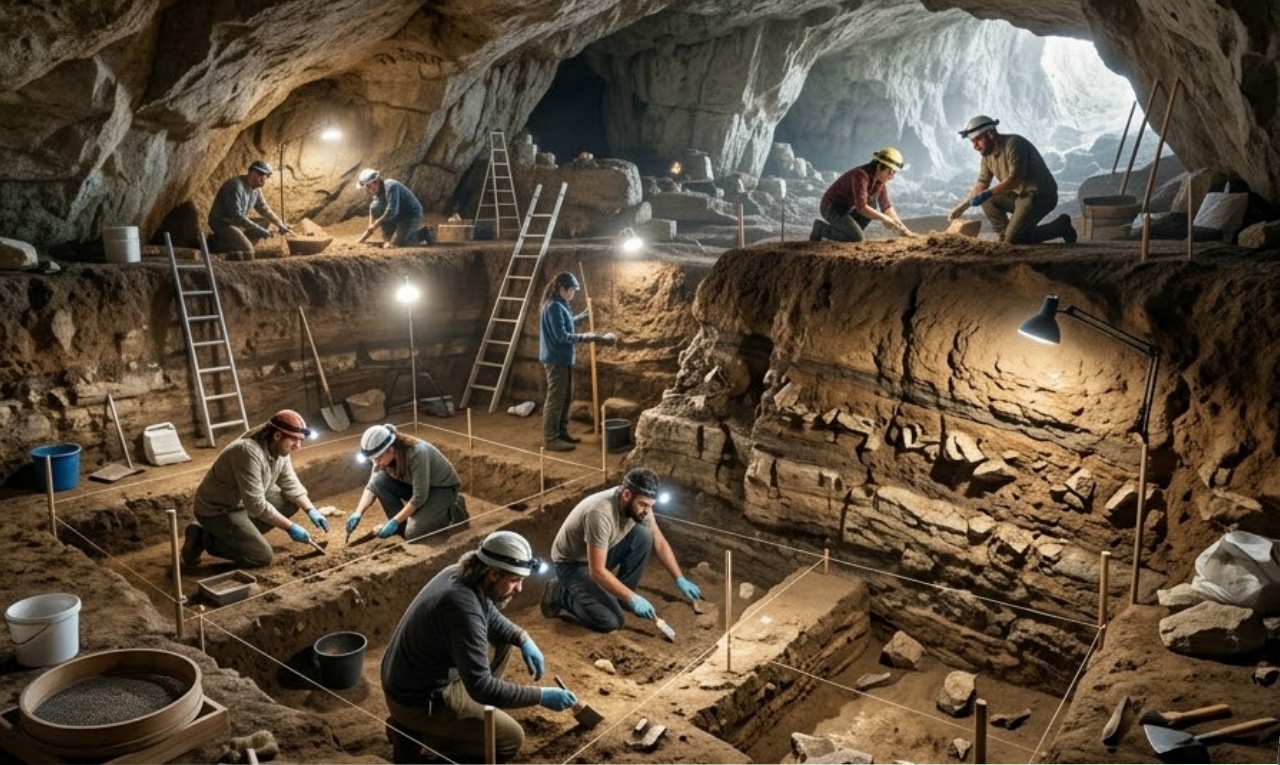
First Complete Denisovan Skull and “Dragon Man” Yunxian Ancestor: Rewriting the Human Family Tree and Pushing Back Divergence!
In two landmark 2025 studies published in Science and Cell (June) plus a September follow-up in Science, researchers have identified the Harbin “Dragon Man” skull as the first nearly complete Denisovan cranium—while a digital reconstruction of the ~1-million-year-old Yunxian 2 skull from central China reveals it as an early ancestor of the same lineage, dramatically reshaping our understanding of human evolution.
The 146,000-year-old Harbin cranium, found in 1933 and hidden until 2018, yielded Denisovan mitochondrial DNA and proteins from dental calculus—confirming it belongs to the enigmatic Denisovan population previously known only from tiny bone fragments and teeth. “After 15 years, we finally give the Denisovan a face,” said Qiaomei Fu of the IVPP, lead geneticist. The skull’s mᴀssive brow ridges, flat face, and large braincase align with Denisovan traits while distinguishing it from Neanderthals and modern humans.
Even more transformative is the Yunxian 2 reconstruction by Chris Stringer and colleagues. Previously classified as Homo erectus, the digitally restored cranium shows clear affinities to the Dragon Man/Denisovan clade. Bayesian tip-dating places the sapiens–Denisovan split at ~1.32 million years ago and the Neanderthal divergence at ~1.38 million years—hundreds of thousands of years earlier than genetic estimates based solely on later fossils.
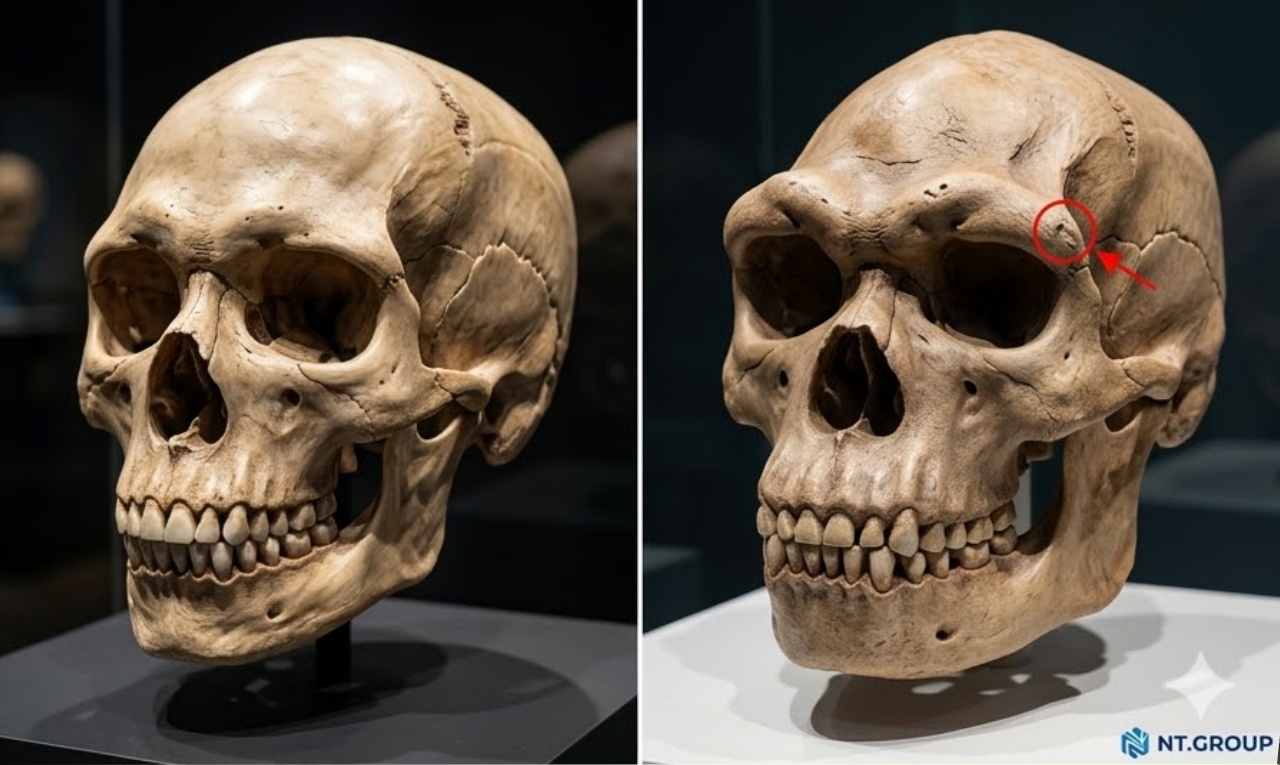
“This pushes the entire Asian branch of our family tree deep into the Early Pleistocene,” Stringer noted. Yunxian 2 lies near the last common ancestor of Homo sapiens and the Dragon Man lineage, making the Denisovans a sister group to modern humans rather than a peripheral branch.
The discoveries overturn textbook timelines, confirm Denisovans as a distinct, widespread Asian population with a recognizable “face,” and highlight China’s central role in human origins. As more fossils are analyzed, the human family tree continues to grow deeper roots—and more branches—than anyone imagined.