Dead Humpback Whale Found Washed Ashore Near Sandy Hook, NJ: MMSC Responds
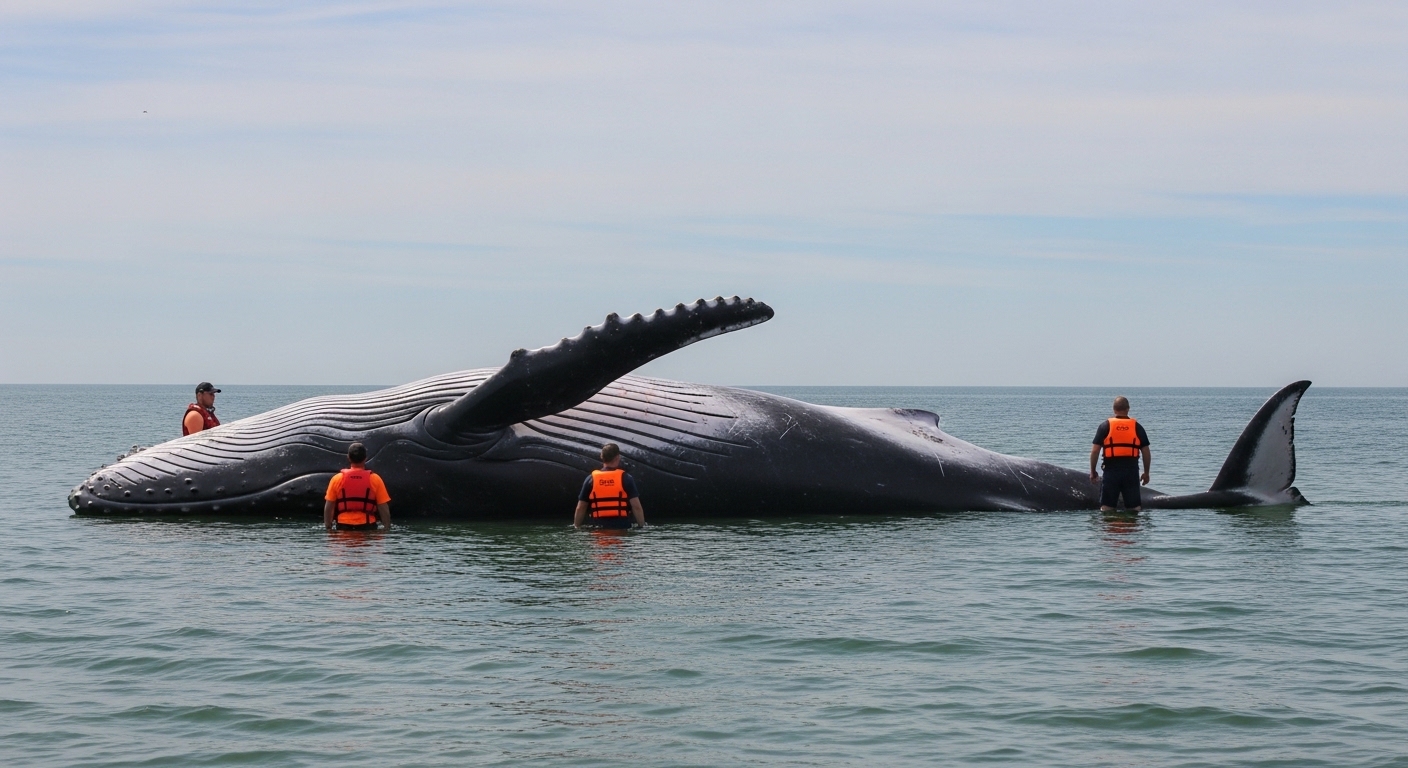
Dead Humpback Whale Found Washed Ashore Near Sandy Hook, NJ: MMSC Responds
Sandy Hook, NJ – April 18, 2026 – A second whale incident in less than a week has once again drawn attention to the challenges faced by marine mammals along the New Jersey coastline. On Saturday, April 18, 2026, at approximately 7:50 AM, the Marine Mammal Stranding Center (MMSC) received a report of a deceased whale floating just offshore near Sandy Hook, NJ. Within 30 minutes, another call came in confirming that the whale had washed up onto the beach.
The MMSC responded swiftly, dispatching a certified Stranding Volunteer from the local area for an initial assessment of the situation. Upon arrival, the whale was identified as a Humpback whale, measuring approximately 30 feet in length. While the exact cause of death is not yet known, the MMSC team is taking all necessary precautions to conduct a thorough examination.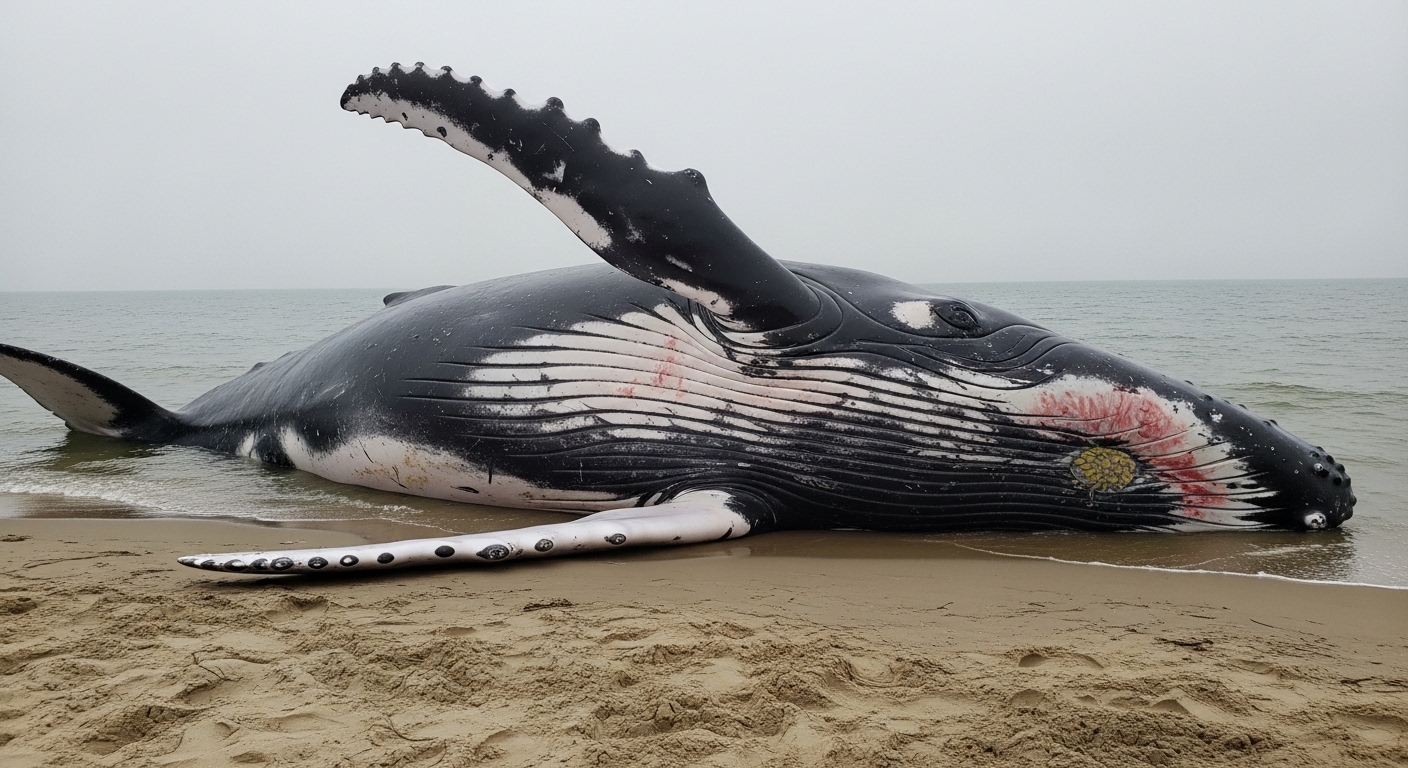
As part of their standard protocol, MMSC’s Stranding Coordinator is en route to coordinate with local authorities, volunteers, and other assets for the recovery and proper disposal of the whale’s remains. While the team’s primary focus is to safely remove the whale from the beach, they are also prepared to conduct a necropsy to examine the animal’s internal condition, which could provide valuable information about its health prior to death.
A necropsy, or animal autopsy, is a crucial step in understanding potential causes of death for marine mammals. In this case, the MMSC will be looking for any signs of disease, trauma, or environmental factors that could have contributed to the whale’s unfortunate demise. Any biological samples collected during this process will be sent for further analysis to help researchers track the health of Humpback whale populations and better understand their interactions with the environment.
This incident follows closely on the heels of a similar report involving a male Sei whale that was discovered floating in Newark Bay earlier this month. The findings from both cases could provide important clues about the broader health trends affecting marine mammal populations along the northeastern U.S. coast. These findings are particularly significant as whale strandings have been increasing in recent years, raising concerns among environmental organizations and marine biologists alike.
The MMSC has expressed gratitude for the local community’s vigilance in reporting stranded or deceased marine mammals, stressing the importance of quick action in such situations. While the center works tirelessly to ensure proper care and handling of these animals, the organization also urges the public to be mindful of beach safety and to refrain from approaching or attempting to handle stranded whales without professional assistance.
As MMSC continues its efforts to understand the cause of death in this case and others, they remain committed to preserving and protecting the health of marine wildlife along the Jersey Shore. The organization will provide additional updates as the recovery and examination process continues.