Bacteria Can Manufacture Alcohol After Death and That Fact Changes Everything in the Nolan Wells Case

Independent forensic examination of Nolan Wells has left both the cause and manner of death undetermined while drawing particular attention to a significant area of red discoloration in the soft tissue of the occipital region. Wells, an 18-year-old Mississippi college student and football player, disappeared during a Fourth of July gathering on Horn Island and was found in the water two days later. Authorities initially indicated no apparent signs of foul play and suspected drowning, yet the family commissioned a second autopsy that has since raised additional questions. Dr. Roger Mitchell, who conducted the independent examination on July 10, reported that no fractures or deep tissue injuries were identified, but he also could not rule out the possibility that non-accidental factors contributed to or caused the death.

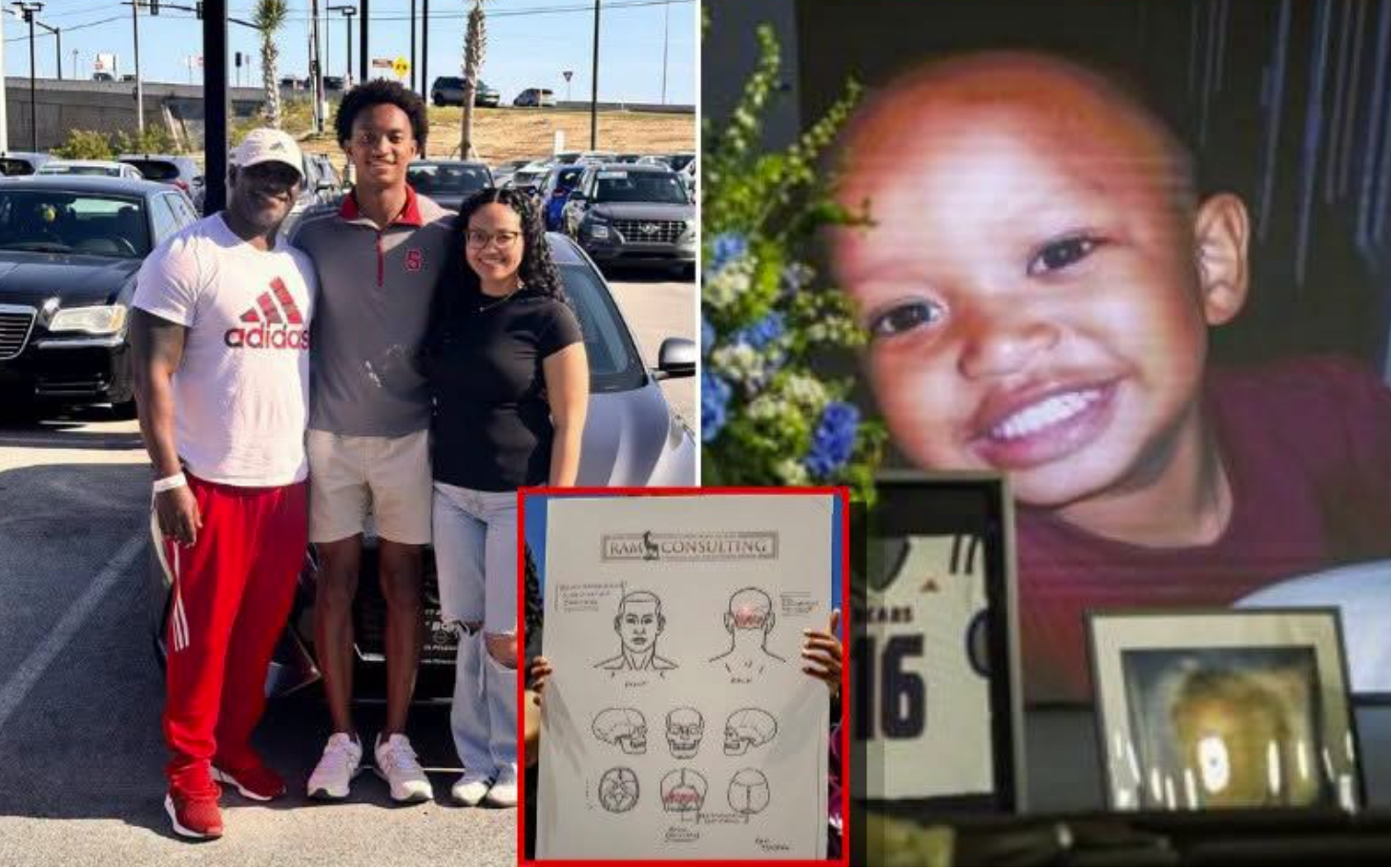
The red discoloration at the back of the head was described as significant both in the preliminary report and by family attorney Ben Crump, yet its precise cause was never determined. That distinction is crucial because the finding does not establish that Wells suffered a fatal blow, nor does it prove that another person injured him. The independent pathologist specifically left the origin of the discoloration unresolved. Substantial decomposition by the time of the second examination further complicated interpretation, making it difficult to distinguish injuries that occurred before death from changes that developed afterward.
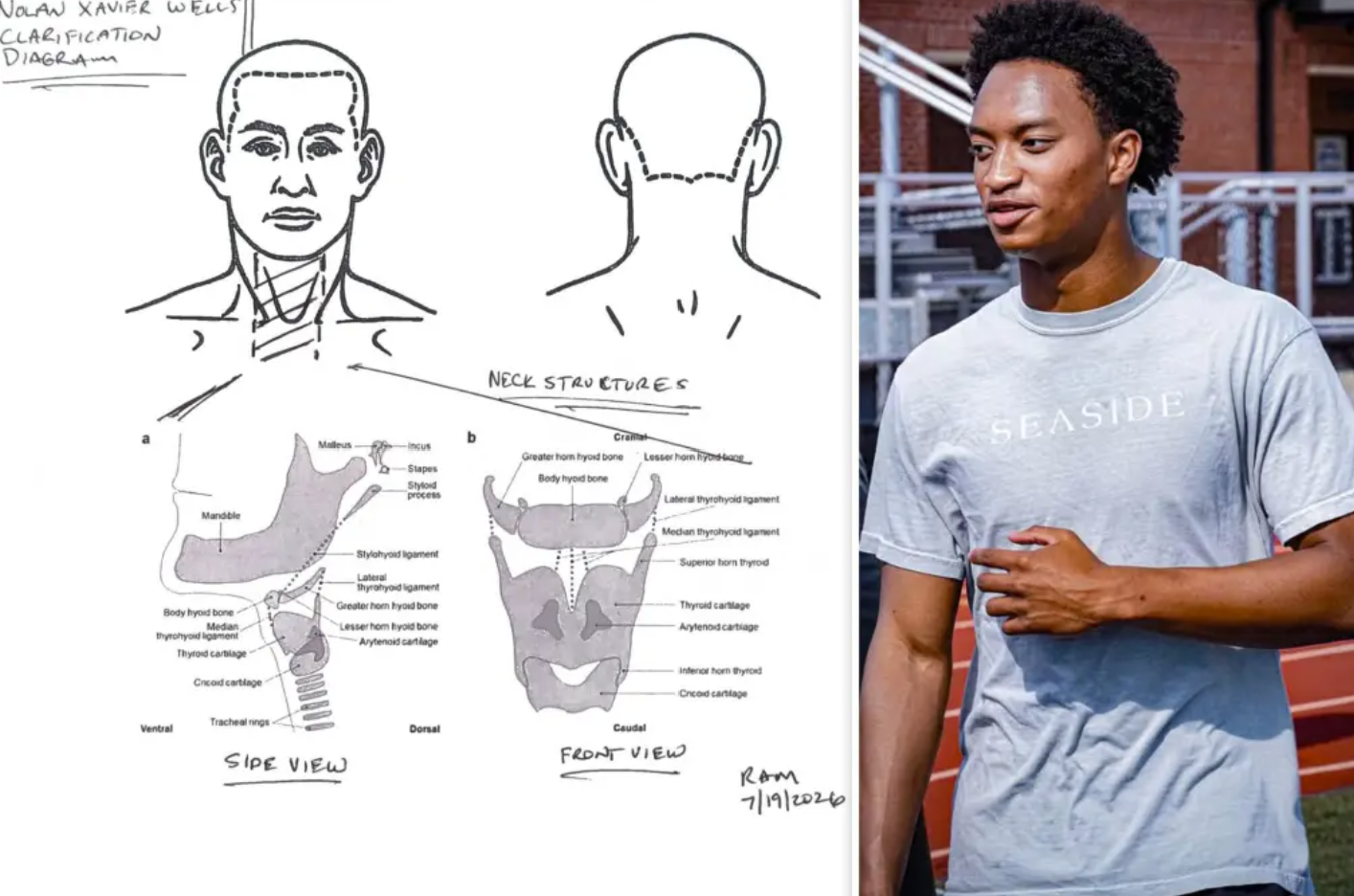
Decomposition can alter the appearance of skin and soft tissue, change the body’s chemistry, and obscure the evaluation of bruising or abrasions. Additional limitations arose because certain anterior neck structures had been retained following the initial state autopsy for further testing, a practice that is not uncommon in forensic pathology when additional examination is anticipated. Their absence from the body available for the second examination therefore should not automatically be interpreted as evidence of improper procedure, but it does highlight the incomplete set of materials the independent pathologist was able to review.
Forensic pathologist Dr. Judy Melinek, commenting on the publicly released preliminary findings, underscored that eventual toxicology results will also require careful interpretation because of the advanced state of decomposition. Bacteria involved in the breakdown of tissue can produce alcohol after death, meaning that any detection of ethanol cannot by itself prove consumption prior to death. A purported toxicology report that circulated online was publicly declared fraudulent by Mississippi Department of Public Safety Commissioner Sean Tindell, who confirmed that official state results had not been released. Jackson County authorities have stated that a grand jury will ultimately review the completed investigation, a standard step that does not itself signal any determination of criminal responsibility. At present the evidence remains insufficient to choose definitively between accidental drowning and other possibilities. The red discoloration continues to stand as one of the most discussed yet unresolved observations, and the broader investigation remains open while official laboratory findings and additional investigative material are still pending.
Sources: https://www.wbaltv.com/article/nolan-wells-preliminary-independent-autopsy-results/73229704