A Look Back at the Pennsylvania Case That Raised Questions About Missed Warning Signs

Years after one of Pennsylvania’s most widely discussed criminal cases, many people continue to ask whether earlier warning signs could have prevented the tragedy.
The case involved the disappearance and deaths of four young men during the summer of 2017, an event that deeply affected their families, local communities, and law enforcement agencies across the state.
When the young men initially went missing, relatives and friends believed they would eventually return home. Search efforts intensified as police officers, volunteers, and investigators worked to locate them.
As the investigation progressed, authorities identified Cosmo DiNardo as the central figure in the case.
DiNardo came from a financially successful family that owned businesses, property, and farmland. People who knew him during his early years often described him as polite, helpful, and respectful.

However, over time, those close to him began noticing significant changes in his behavior.
According to public records and court documents, DiNardo experienced multiple head injuries and later developed serious mental health challenges. Family members reported increasing episodes of paranoia, aggression, and unpredictable behavior.
His mother, Sandra DiNardo, sought extensive medical treatment on his behalf, consulting doctors, psychiatrists, specialists, and treatment centers over several years.
Medical records reportedly documented concerns involving violent thoughts, behavioral instability, and repeated psychiatric crises.
One incident occurred while Sandra DiNardo was transporting her son to receive psychiatric treatment. Authorities reported that he became violent during the trip, leading to police intervention and hospitalization.
Despite periods of treatment and signs of improvement, concerns persisted.
According to reports, there were ongoing issues involving impulsive behavior, conflicts with others, and questions about whether medications were being taken consistently as prescribed.
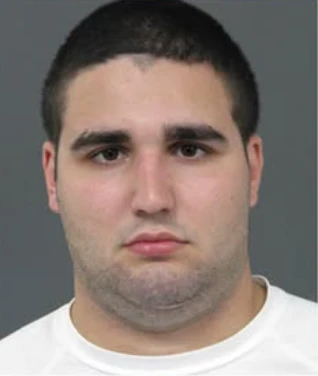
These details later became part of broader discussions about mental health treatment, long-term care, and whether additional interventions could have changed the outcome.
In July 2017, the case escalated dramatically when four young men disappeared over the course of several days.
Investigators eventually focused their search on a farm owned by the DiNardo family. The property later became a major crime scene as authorities uncovered evidence connected to the victims’ deaths.
The tragedy prompted difficult conversations throughout Pennsylvania and across the country about violence prevention, mental health support systems, and the challenges families face when trying to obtain long-term treatment for loved ones experiencing severe psychiatric illness.
Experts have also emphasized an important distinction: mental illness alone does not predict violent behavior, and the overwhelming majority of people living with mental health conditions are not violent. Investigators instead examine a combination of factors, including individual actions, documented threats, behavioral patterns, and specific circumstances surrounding each case.
Today, the case remains a sobering reminder of how warning signs, family concerns, medical intervention, and public safety challenges can intersect in complex ways.
For the families of the victims, the focus continues to be on remembering the lives that were lost and understanding whether earlier interventions might have prevented a tragedy that forever changed multiple communities across Pennsylvania.