1.5-Million-Year-Old Bone Tools Discovered in Tanzania – Rewriting Human Intelligence! .lh
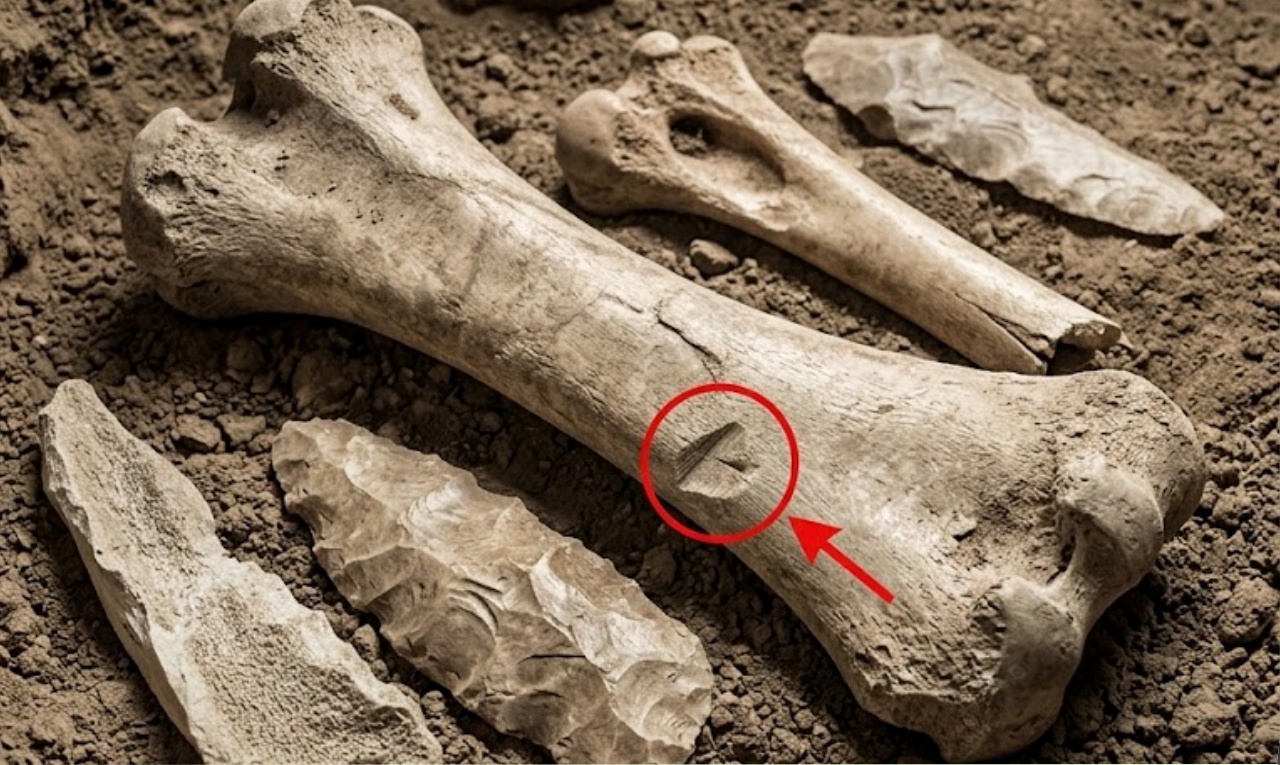
At Olduvai Gorge (northern Tanzania), researchers have uncovered something that doesn’t just extend a timeline—it changes the logic of early technology.
A team led by Ignacio de la Torre reports a single, securely dated 1.5‑million‑year‑old horizon (Bed II) containing 27 intentionally shaped bone tools—the earliest evidence of systematic bone-tool production, pushing this behavior back by more than 1 million years compared with the long-held view that standardized bone tools appear much later (around ~500,000 years ago).
These weren’t random broken bones. Many came from elephant and hippopotamus limb bones, worked by knapping—striking off flakes the way toolmakers shaped stone—creating robust cutting edges and pointed tips.
The largest elephant-bone pieces measure roughly 22–38 cm long; hippo-bone tools are slightly smaller, about 18–30 cm. The study’s taphonomic checks argue the scars and shaping don’t match trampling or carnivore damage, but deliberate manufacture by hominins at the Oldowan–early Acheulean transition.
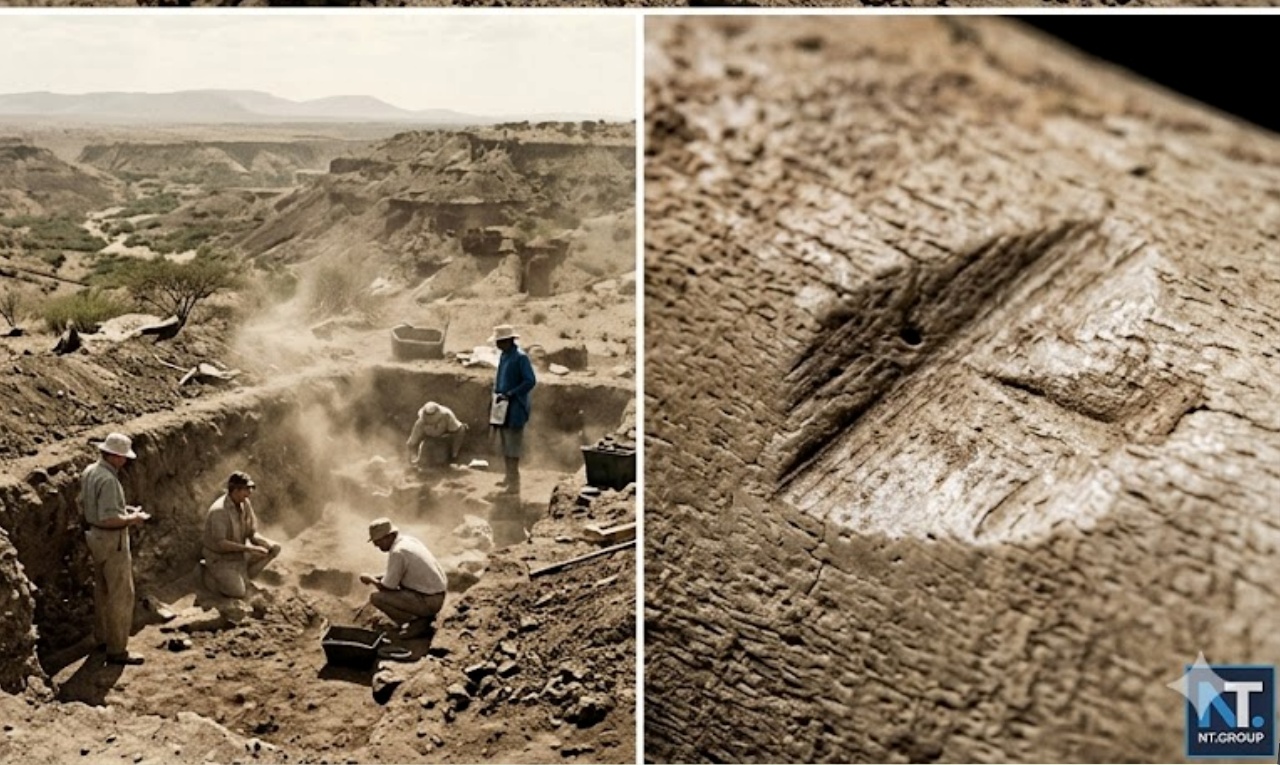
So what does this “rewrite” about intelligence? Not that early humans suddenly got smart—but that they were more flexible and strategic than our toolkits suggested. Bone is a different material with different fracture rules; transferring stone-knapping know-how to bone implies planning, experimentation, and shared technique, especially at large-animal butchery locales where bone is plentiful. It also hints we may be missing similar discoveries simply because archaeologists weren’t looking for systematically knapped bone at such early sites.