Iranian Twin Sisters Face Death Sentence and Long Prison Term Amid Allegations of Torture and Coerced Confession

An Iranian woman sentenced to death after participating in anti-government protests was subjected to severe mistreatment in custody and pressured into signing a confession under the threat that her twin sister would be Sєxually ᴀssaulted in front of her, according to family members and human rights reports.
Taraneh Rahimi, 21, and her twin sister Romina were arrested in late January 2026 in connection with widespread demonstrations that began in December 2025 and continued into the following month. The protests, which drew millions of participants, were met with a harsh crackdown by Iranian security forces. Estimates from rights groups place the death toll in the thousands.

The sisters, who were still in high school at the time of their arrest, were held incommunicado for more than three months. When their mother was finally allowed to visit them, both young women were reportedly so severely injured — with swollen and bruised faces, and large amounts of hair pulled out — that she could only identify them by their voices.
According to their cousin, Masoud Nourmohammadi, who lives in the United States and has remained in contact with relatives in Iran, interrogators threatened Taraneh that her sister would be raped in front of her unless she signed a confession. Taraneh ultimately did so. The confession was later used as a central piece of evidence against her.

Taraneh was convicted of moharebeh, a capital offense in Iran often translated as “enmity against God” or waging war against God. The specific allegation in her case included drawing a bladed weapon with the intent to endanger lives. She has been sentenced to death. Her sister Romina received a 25-year prison sentence on the lesser charge of aiding and abetting the same offense. Both women deny all charges against them, and the family maintains there is no independent evidence that Taraneh possessed any weapon.
The physical effects of the alleged mistreatment continue. Nourmohammadi has said Taraneh can no longer walk properly due to beatings to her legs, and an untreated head injury led to an ear infection that has damaged her balance. Despite these hardships, relatives describe her as trying to remain resilient, though she has moments of deep despair.
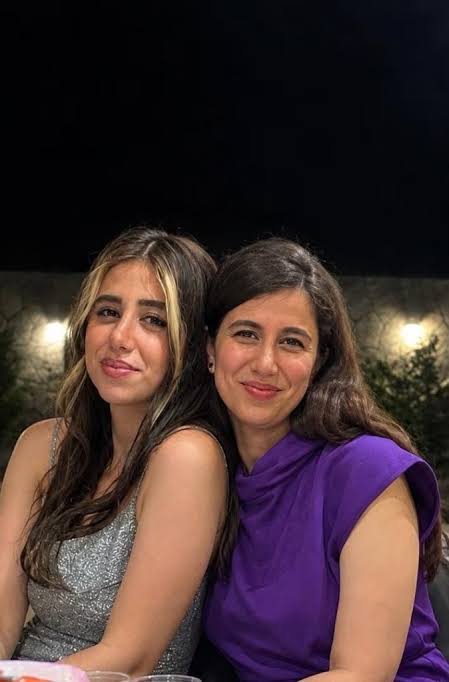
Taraneh is among a group of women who have received death sentences this year in cases linked to the January protests. The United Nations special rapporteur on human rights in Iran, Mai Sato, has noted that at least six women have been sentenced to death in connection with the unrest. Lawyers for the Rahimi sisters have filed complaints alleging torture and Sєxual abuse during interrogation, though sources close to the case say the investigation into those claims is being handled by an official the family has accused of involvement in the mistreatment.
Before their arrest, Taraneh was described by family members as a kind and athletic young woman who dreamed of opening a horse-training center. Romina was characterized as intelligent and independent, representative of a younger generation seeking greater freedom. Amnesty International and other rights groups have described the charges against the twins as politically motivated and have raised concerns about the use of coerced confessions in Iranian courts.
The case has drawn international attention as part of a broader pattern of severe sentences handed down to participants in the 2025–2026 protests, particularly women. Family members continue to call for medical care for Taraneh and for a fair review of both sisters’ cases.