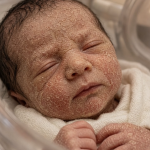
Newborn Baby Girl Suddenly Turns Blue After Her First Feeding: The Dangerous Condition of Aspiration Pneumonia Leaves Her Parents Terrified
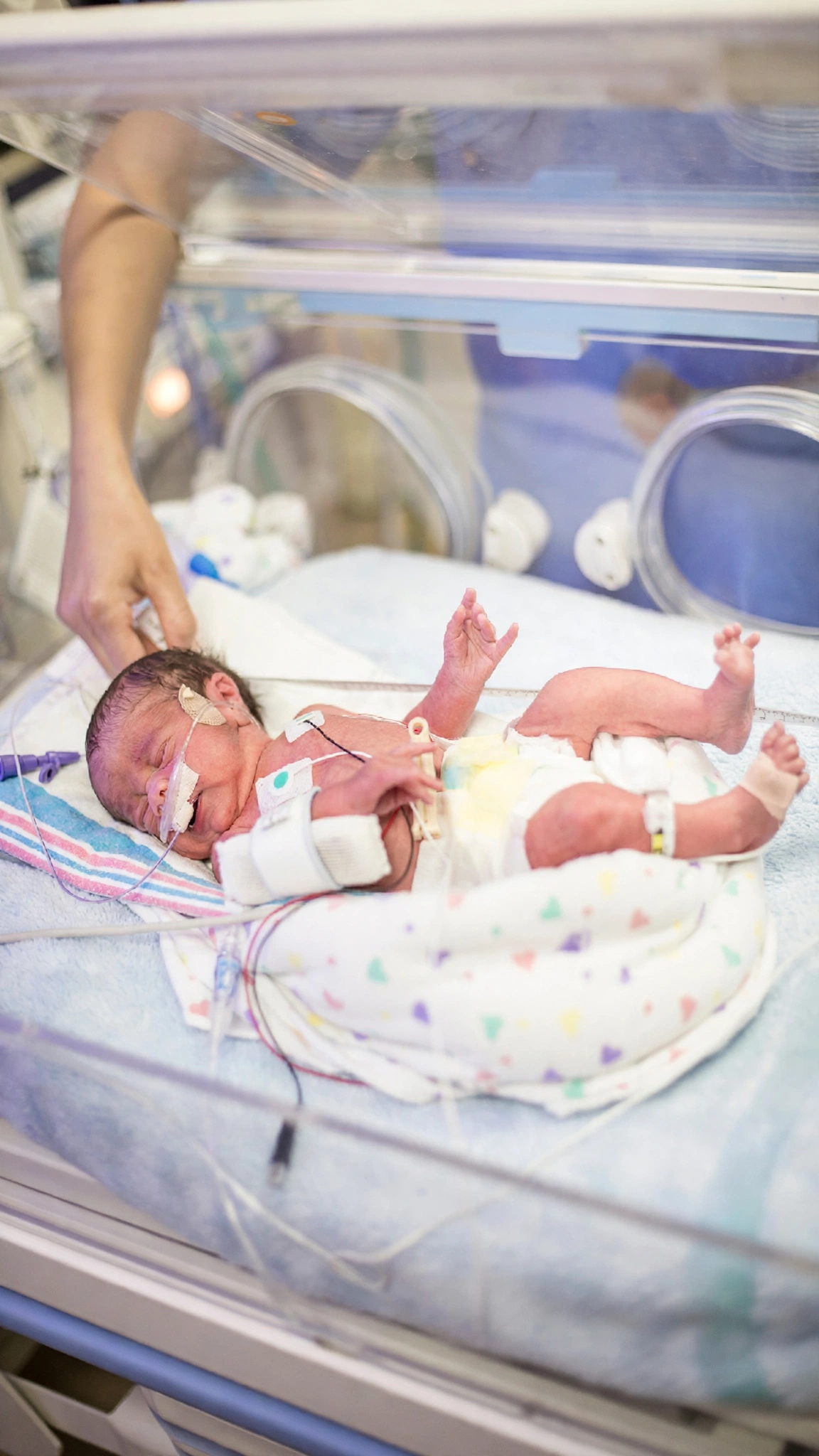
Just hours after birth, a tiny baby girl suddenly began coughing violently, struggling to breathe, and developing a bluish discoloration around her lips after a feeding. At first, her parents thought she had simply choked on milk. But medical examinations revealed something far more serious: milk had entered her respiratory tract, triggering a dangerous condition known as aspiration pneumonia.
🍼 A Frightening Cough After Her First Feeding
Emily Carter and her husband, Daniel, had spent months eagerly waiting for the moment they could finally hold their first daughter in their arms. Their baby, Sophia, was born healthy following an uncomplicated delivery at a hospital in the United States.
During her first few hours of life, Sophia slept peacefully, occasionally moving her tiny arms and letting out a soft cry whenever she became hungry. Emily imagined that her first days as a mother would be filled with simple, precious moments: feeding her newborn, changing diapers, and admiring her daughter’s little face.
But everything changed during the next feeding.
As Emily was breastfeeding, Sophia suddenly began coughing repeatedly. Her tiny body tensed, and her breathing became rapid and labored. A small amount of milk spilled from the corner of her mouth, while the skin around her lips began turning a faint bluish color.
“What’s happening to her?” Emily cried out in panic.
Daniel immediately picked up their daughter, trying to remain calm as he called for medical ᴀssistance. Sophia was still struggling to breathe, and her cries had become weak and intermittent.
Doctors quickly transferred the baby to the neonatal care area for an urgent examination. They initially needed to ᴀssess whether she had choked on milk, was experiencing swallowing difficulties, or had another condition affecting her airway.
The examination brought deeply worrying news to the young parents: Sophia showed signs of aspiration pneumonia.
🫁 When Milk Enters the Respiratory Tract Instead of the Esophagus
The doctors explained that aspiration pneumonia can occur when milk, food, saliva, or stomach contents enter the respiratory tract instead of traveling down the esophagus into the stomach.
In newborns, the coordination of sucking, swallowing, and breathing is still developing. Some babies may have difficulty managing these movements, particularly if they were born prematurely or have neurological conditions, airway abnormalities, or problems with their swallowing reflex.
When liquid or other substances enter the lungs, they can irritate the delicate lung tissue, trigger inflammation or infection, and interfere with the body’s ability to exchange oxygen. In severe cases, a baby may develop respiratory distress and require emergency medical support.
In Sophia’s case, doctors observed signs of breathing difficulty and determined that she needed close monitoring.
The medical team ᴀssessed her respiratory function, evaluated her lungs, and carried out the necessary tests to determine the extent of the problem.
Outside the intensive care area, Emily stood with tears in her eyes. She could hardly believe that her newborn daughter, who had not even completed her first day with the family, was already facing such a frightening medical emergency.
🏥 Long Days Inside the Neonatal Intensive Care Unit
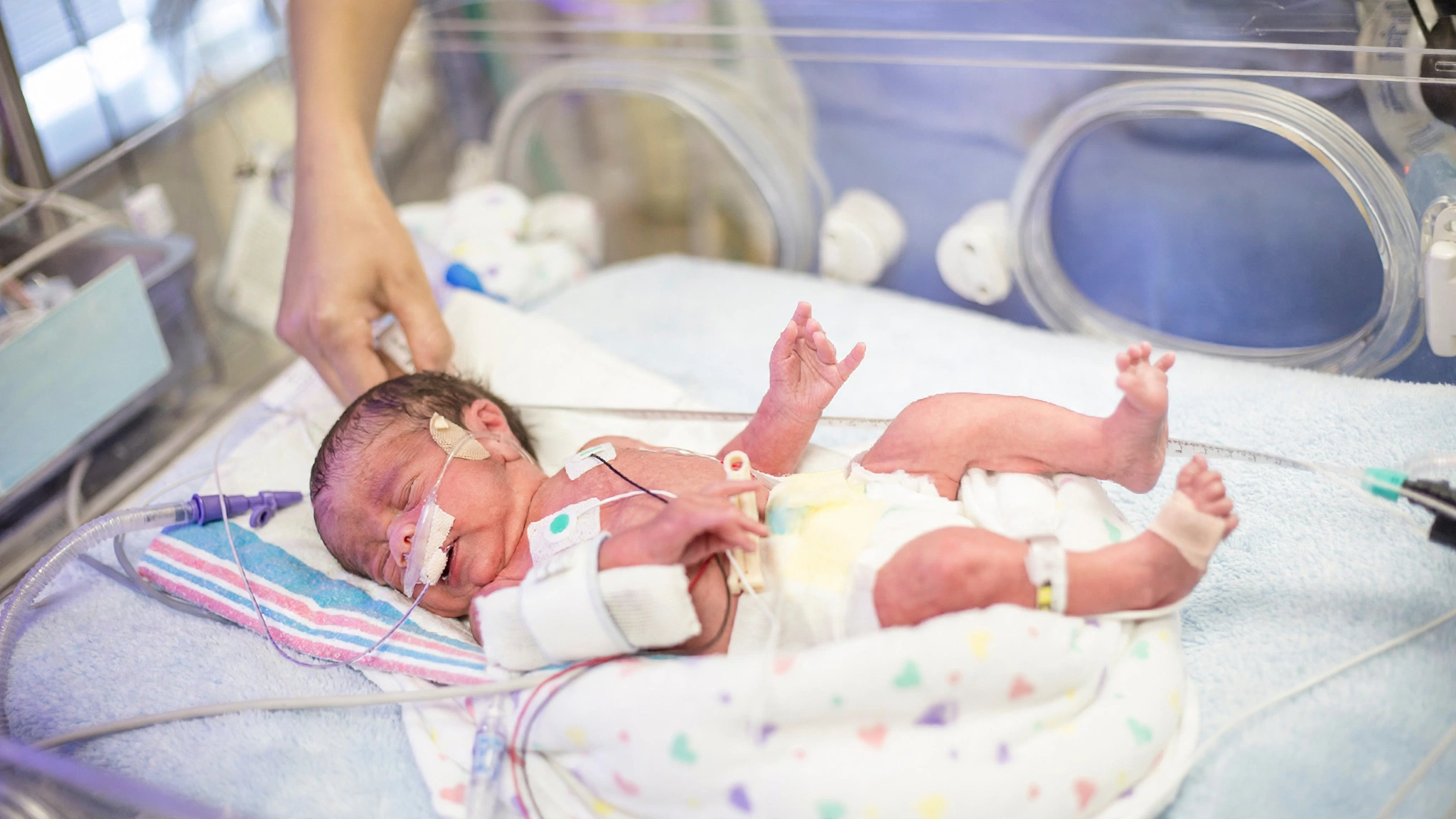
Sophia was transferred to the neonatal intensive care unit, where doctors provided respiratory support according to her condition. Her oxygen levels and other vital signs were monitored closely, while the medical team watched for signs of infection.
During this period, oral feeding was temporarily stopped to reduce the risk of further aspiration. Doctors also ᴀssessed Sophia’s swallowing ability and developed an appropriate nutrition plan to ensure she continued receiving the nourishment she needed.
Every pᴀssing day became an emotional challenge for the Carter family.
Daniel often sat beside the incubator, gently holding his daughter’s tiny hand. He talked to Sophia about the bedroom her parents had prepared, the little white crib waiting at home, and all the miniature outfits they had bought for her.
Emily tried her best to stay strong, too. Following the medical team’s instructions, she expressed breast milk, hoping it would provide valuable nutrition for her daughter once she was medically ready to receive it.
One of the hardest things for the couple was being unable to feed their baby themselves in the way they had always imagined.
But the doctors continued reᴀssuring them that Sophia’s immediate priorities were stabilizing her breathing, identifying the reason behind her feeding difficulties, and preventing further episodes of aspiration.
🌈 A Stronger Cry Brings a New Sense of Hope
After several days of treatment and careful monitoring, Sophia’s respiratory condition gradually improved.
She no longer experienced the same severe episodes of breathing difficulty, and her monitored vital signs became more stable.
However, the doctors did not rush to restart oral feeding. Before allowing Sophia to drink milk by mouth again, they needed to evaluate how well she could coordinate sucking, swallowing, and breathing to determine whether feeding would be safe.
Her parents also received guidance on recognizing warning signs during feeding, including repeated coughing or choking, rapid breathing, bluish discoloration, brief pauses in breathing, or unusual tiredness while eating.
After a period of treatment and recovery, Sophia was finally able to return home with her parents.
On the day they left the hospital, Emily held her daughter close. She gently kissed the baby’s forehead as tears quietly rolled down her cheeks.
“We just want her to grow up normally, breastfeed, sleep peacefully, and enjoy a calm and happy childhood like every other child,” Daniel said emotionally.
For the Carter family, their journey into parenthood began with a fear they would never forget. Yet those difficult days also taught them an important lesson: sometimes, even a seemingly small symptom in a newborn can be an early warning of a serious medical problem.
Their experience is a reminder that newborns who suddenly cough, choke, struggle to breathe, or turn blue during feeding need immediate medical attention. Parents should never ᴀssume that these signs are simply ordinary feeding difficulties.
💗 A Special Wish for Sophia and All Children
May little Sophia continue to recover, grow stronger, and enjoy every precious moment of her childhood. May her days be filled with peaceful sleep, loving embraces, and the warmth of a family that cherishes her beyond words.
And may every baby around the world have a healthy beginning, receive the care they need, and grow up surrounded by love, safety, and happiness. May no family have to endure the fear of seeing their little one struggle for life. 💗