Born at Just 27 Weeks Weighing Only 1 Kilogram, This Tiny Baby Girl Could Not Breathe on Her Own: Her Miraculous 2.5-Month Fight for Survival
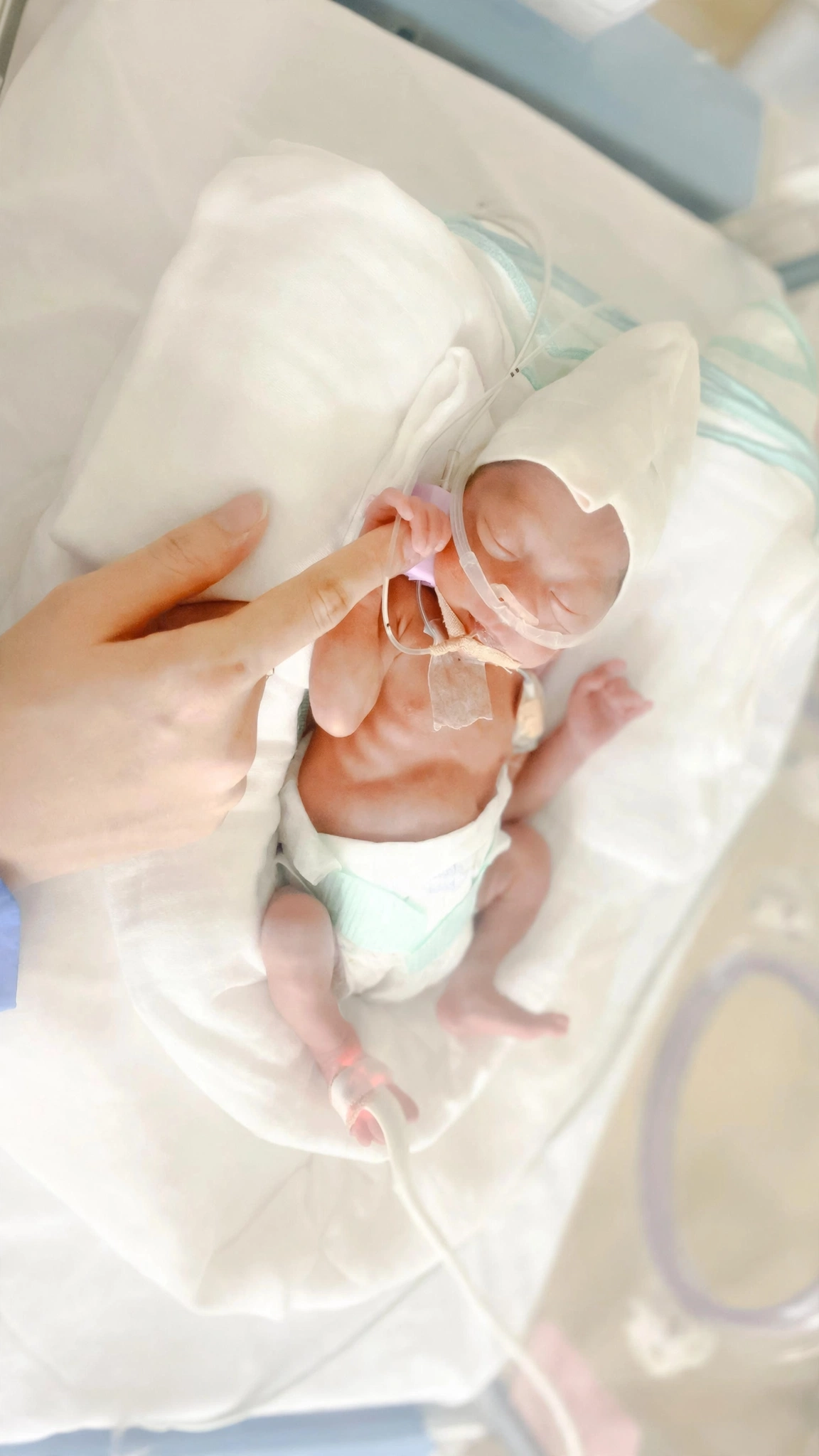
Born nearly three months before her due date, little Joy weighed just 1 kilogram and was unable to breathe independently. Her tiny, fragile body faced a series of life-threatening complications ᴀssociated with extreme prematurity, including severe respiratory difficulties and gastroesophageal reflux. For two and a half months, she remained under intensive medical care, surrounded by doctors, nurses, and a mother who never stopped believing in her. Through advanced neonatal treatment, specialized nutrition, and precious hours of skin-to-skin contact, Joy gradually grew stronger. By the time she was discharged, she had reached 3 kilograms, giving her family a moment of happiness they had been waiting for since the day she was born.
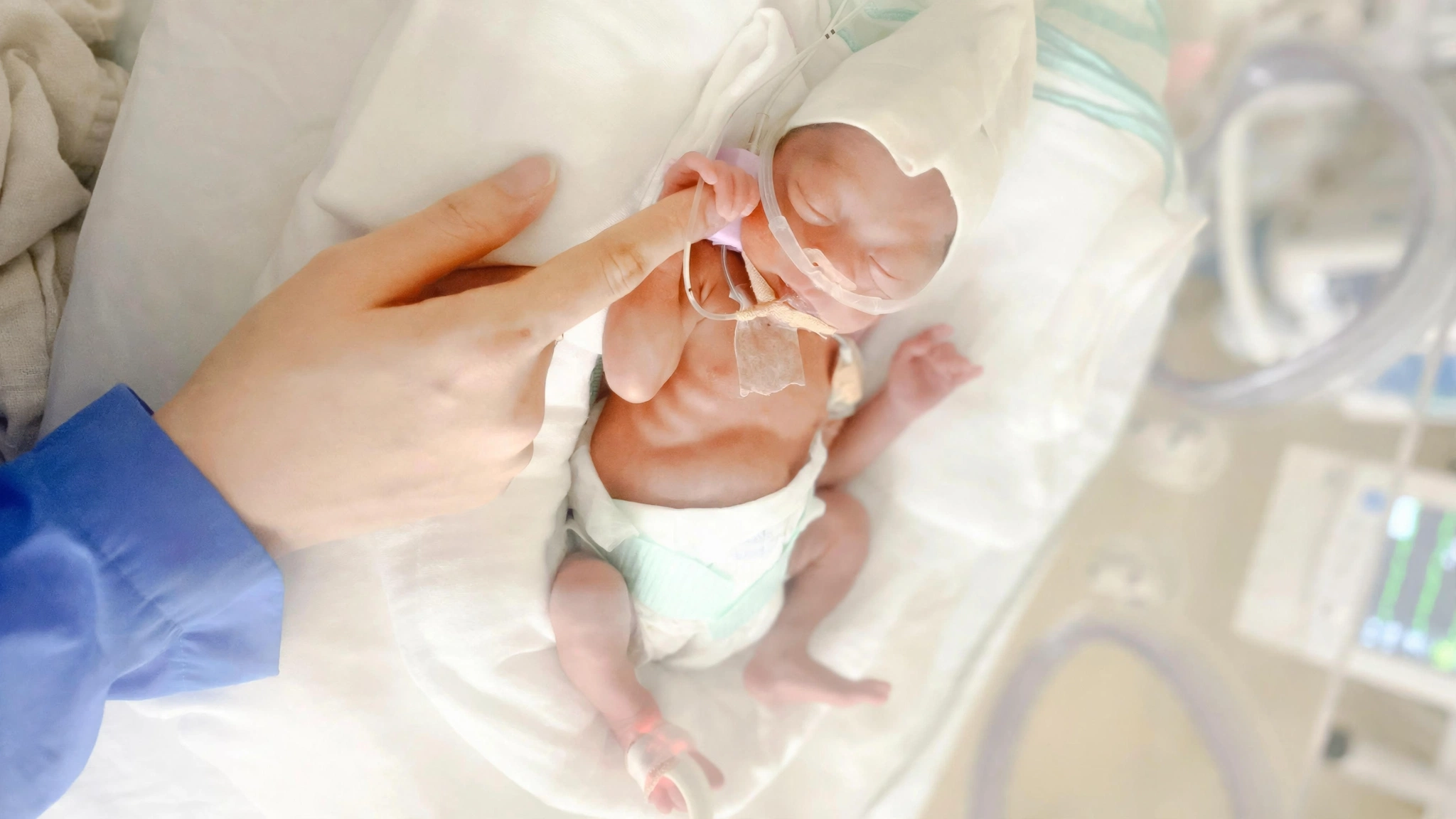
🏥 Born at Just 27 Weeks, Baby Joy Weighed Only 1 Kilogram and Could Not Breathe Independently
The remarkable story of baby Joy took place at Tam Anh General Hospital in Ho Chi Minh City, Vietnam.
Joy entered the world at just 27 weeks of gestation, making her an extremely premature baby.
At birth, she weighed approximately 1 kilogram.
Her tiny body was incredibly fragile, and many of her organs had not yet developed sufficiently to function independently.
A typical pregnancy lasts approximately 40 weeks. Babies born at 27 weeks therefore arrive much earlier than expected, often facing serious medical challenges because their lungs, digestive systems, immune systems, and other organs are still immature.
For Joy, one of the most urgent problems was her inability to breathe on her own.
Immediately after delivery, she experienced severe respiratory distress and required emergency medical intervention.
The medical team quickly began resuscitation, provided warmth to protect her fragile body, and initiated positive-pressure respiratory support in the delivery room.
Every second was important.
After her vital signs became temporarily stable, Joy was transferred to the Neonatal Intensive Care Unit (NICU), where she could receive continuous monitoring and specialized treatment.
According to Dr. Do Huu Thieu Chuong, Deputy Director of the Neonatal Center at Tam Anh General Hospital, although Joy’s birth weight was higher than that of some other premature infants, her extremely young gestational age still placed her at significant risk of complications.
Her respiratory system was particularly immature.
She also lacked the ability to coordinate three essential activities simultaneously: sucking, swallowing, and breathing.
For most full-term newborns, these activities gradually become natural parts of feeding. But for an extremely premature baby like Joy, even drinking milk could be a complicated medical challenge.
Her survival depended on careful monitoring and a treatment plan tailored to her fragile condition.
💙 Specialized Respiratory Support Helped Protect Her Fragile Lungs
During the first days of her life, Joy’s breathing remained one of the medical team’s greatest concerns.
Her lungs were still developing, making it difficult for her body to exchange oxygen and carbon dioxide efficiently.
To support her respiratory function, doctors used non-invasive high-frequency oscillatory ventilation.
This specialized respiratory technique helps support gas exchange without requiring an endotracheal tube to be inserted into the baby’s airway.
By providing respiratory ᴀssistance through a non-invasive approach, the medical team aimed to support Joy’s lungs while reducing certain risks ᴀssociated with invasive ventilation, including airway injury and infection.
But helping her breathe was only one part of the treatment.
The doctors and nurses also needed to carefully regulate her body temperature, monitor her circulation, and ensure that her tiny body received enough energy to continue developing.
Because Joy was not yet able to breastfeed effectively, she initially received nutrition through intravenous feeding.
As her condition allowed, doctors gradually introduced breast milk to support the development of her digestive system.
Nutrition is especially important for extremely premature infants.
At this stage of development, babies need carefully calculated amounts of calories, protein, vitamins, and minerals to support the growth of their brains, lungs, bones, immune systems, and other vital organs.
Every feeding decision must be made carefully because their digestive systems are still immature.
Unfortunately, Joy’s progress was not always smooth.
After experiencing the normal initial weight loss that commonly occurs in newborns, she began gaining weight more slowly than expected.
One contributing problem was gastroesophageal reflux.
This condition occurs when stomach contents flow backward into the esophagus. In premature infants, an immature digestive system can make reflux particularly challenging.
Depending on its severity, reflux may cause discomfort, feeding difficulties, and complications such as aspiration when stomach contents enter the airway.
To help Joy tolerate her feeds, the nursing team divided her nutrition into smaller, more frequent meals.
They also helped her burp after feeding and carefully monitored her throughout the day and night for any unusual symptoms.
Every small improvement mattered.
For a baby weighing only 1 kilogram, even a minor feeding difficulty could affect her overall recovery.
🤱 A Mother’s Love: Three Hours of Skin-to-Skin Contact Every Day
While doctors and nurses worked tirelessly to stabilize Joy’s condition, her mother played an equally meaningful role in the little girl’s journey.
Joy’s mother, 29-year-old Tien, explained that she had not recognized the signs of premature labor early enough during pregnancy.
As a result, Joy had not received antenatal corticosteroid injections to help accelerate fetal lung maturation before birth, a treatment that may reduce respiratory complications in premature babies when medically indicated.
When her daughter arrived in critical condition, Tien entered a period of overwhelming anxiety.
Unlike many mothers who can immediately hold their newborns after delivery, she initially could only look at Joy through the walls of an incubator.
Her daughter was surrounded by medical equipment, connected to respiratory support, and monitored by specialized machines.
It was an emotionally difficult experience.
Every mother dreams of holding her newborn, feeling the baby’s warmth, and hearing those first little sounds.
But Tien had to wait for the moment when her daughter was medically stable enough to be held safely.
Fortunately, the hospital’s family-centered care approach allowed parents to become active participants in their baby’s recovery.
Rather than remaining separated from their children throughout the NICU stay, parents were encouraged to participate in appropriate caregiving activities under the guidance of medical professionals.
When Joy was 15 days old, Tien began learning the Kangaroo Mother Care method.
This approach involves placing a baby directly against the parent’s bare chest, allowing skin-to-skin contact while the infant is carefully supported and monitored.
At first, Joy still required respiratory ᴀssistance through CPAP.
Therefore, every movement had to be performed carefully, with medical staff guiding and supervising the process.
Each day, Tien spent approximately three hours holding her daughter skin-to-skin.
She continued this routine for an entire month.
Those hours became some of the most precious moments of her hospital journey.
For an extremely premature baby, a mother’s warmth is more than a source of comfort.
Skin-to-skin contact can help babies regulate their body temperature, stabilize their heart rate and breathing, support breastfeeding, and promote healthy weight gain.
It also provides an opportunity for parents and babies to develop a closer emotional bond.
During those quiet moments, Tien could gently hold Joy’s tiny hands, speak softly to her, and feel her little movements against her chest.
After spending so many days watching her daughter through an incubator, being able to hold her close was an indescribable blessing.
For Joy, those moments offered warmth, comfort, and the familiar presence of the person who had loved her even before she was born.
🌱 From a 1-Kilogram Newborn to a Stronger Baby Ready to Go Home
As Joy’s respiratory condition gradually improved, her medical team continued working to support her overall physical development.
Her treatment involved much more than helping her breathe and providing nutrition.
The doctors and nurses also monitored her sleep, feeding tolerance, weight gain, and developmental progress.
When her weight reached approximately 1.5 kilograms, the medical team began introducing gentle full-body mᴀssage to stimulate her sense of touch and support her motor development.
Every activity was adjusted to suit her condition and physical abilities.
The nursing team carefully recorded her feeding schedules, sleep patterns, and physical responses.
For her family, every additional gram on the scale represented another reason to hope.
The road was not always easy, but Joy continued making progress.
Over the following weeks, her breathing became more stable, and she gradually adapted better to breast milk.
Her weight began increasing more consistently.
Then, after two and a half months of intensive treatment, something wonderful happened.
The tiny newborn who had weighed only 1 kilogram at birth had grown to approximately 3 kilograms.
She had gained around 2 kilograms, an extraordinary milestone for a baby who had entered the world so prematurely.
More importantly, her health had improved enough for doctors to consider her ready to leave the hospital.
Before discharge, Dr. Do Huu Thieu Chuong personally examined Joy and provided her family with guidance on caring for a premature infant at home.
Her parents were instructed on the importance of continued monitoring, appropriate feeding, developmental follow-up, and recognizing warning signs that might require medical attention.
For Tien, the day her daughter was finally allowed to go home was a moment she would never forget.
After more than two months of fear, uncertainty, and sleepless nights, she could finally take her little girl out of the hospital and bring her into the warmth of their family home.
The journey was far from over, but this time, they were beginning a new chapter together.
🩺 Why Specialized Care Is So Important for Premature Babies
Joy’s recovery also highlights the importance of family-centered care for premature infants.
According to medical professionals, the Family-Centered Care model encourages parents to work alongside healthcare teams during their children’s treatment in the NICU.
Instead of being limited to observing their babies from a distance, parents can receive guidance on appropriate caregiving activities.
These may include:
Gentle physical contact and skin-to-skin care when medically appropriate.
Learning how to support feeding and breastfeeding.
Participating in hygiene and everyday care.
Recognizing changes in breathing, temperature, and behavior.
Understanding the baby’s medical needs before returning home.
This approach can help strengthen the emotional connection between parents and babies while allowing families to become more confident in caring for their children.
It can also help reduce parental stress during an incredibly difficult period.
For extremely premature infants, every day in the NICU can make an important difference.
Their organs need additional time to mature, and complications can sometimes appear unexpectedly.
Respiratory problems, feeding difficulties, infections, temperature instability, and developmental concerns are among the challenges that may require specialized medical attention.
That is why intensive monitoring, appropriate nutrition, respiratory support, and regular developmental ᴀssessments are so important.
A premature baby’s progress cannot be measured by weight alone.
Doctors must also evaluate breathing, feeding ability, temperature regulation, overall stability, and readiness for life outside the hospital.
Joy’s story demonstrates how coordinated medical care and parental involvement can work together to support a vulnerable newborn through an incredibly challenging beginning.
🌈 A Tiny Fighter Who Found Her Way Back Into Her Mother’s Arms
When Joy was born, weighing only 1 kilogram and unable to breathe independently, her future was filled with uncertainty.
She needed specialized respiratory support, carefully controlled nutrition, and constant medical supervision.
Her mother had to endure the heartbreak of watching her newborn lie inside an incubator instead of immediately holding her close.
But throughout those difficult weeks, Joy continued fighting in her own tiny way.
With the dedication of her medical team and the unconditional love of her mother, she gradually grew stronger.
The hours of skin-to-skin contact, carefully planned feedings, respiratory treatment, and countless nursing checks all became part of her journey toward recovery.
After two and a half months, the baby who had once seemed so incredibly fragile was finally ready to return home.
Her transformation from a 1-kilogram newborn to a 3-kilogram baby was not simply a story about gaining weight.
It was a story about time, patience, medical expertise, and the extraordinary bond between a mother and her child.
Sometimes, the greatest victories in life are not measured by grand achievements. They are measured by a tiny breath, another gram gained, a little hand holding its mother’s finger, and the moment a family finally gets to bring their baby home.
❤️ A SPECIAL WISH FOR JOY AND ALL PREMATURE BABIES
May little Joy continue growing stronger and healthier every day. May she enjoy a beautiful childhood filled with laughter, warmth, and the unconditional love of her family.
To every premature baby still fighting in a hospital incubator, may you receive the best medical care, gentle protection, and all the strength your little body needs.
And to every parent waiting beside a NICU incubator, may you find courage, hope, and the comfort of knowing that every loving touch matters.
Wishing Joy and all babies around the world good health, safe growth, and a bright future. May every tiny fighter have the chance to grow up happy, healthy, and surrounded by endless love. 👶❤️🙏🌷