Family Presses for Genetic Genealogy While Officials Balance Hope Against the Risk of Consuming Irreplaceable Samples
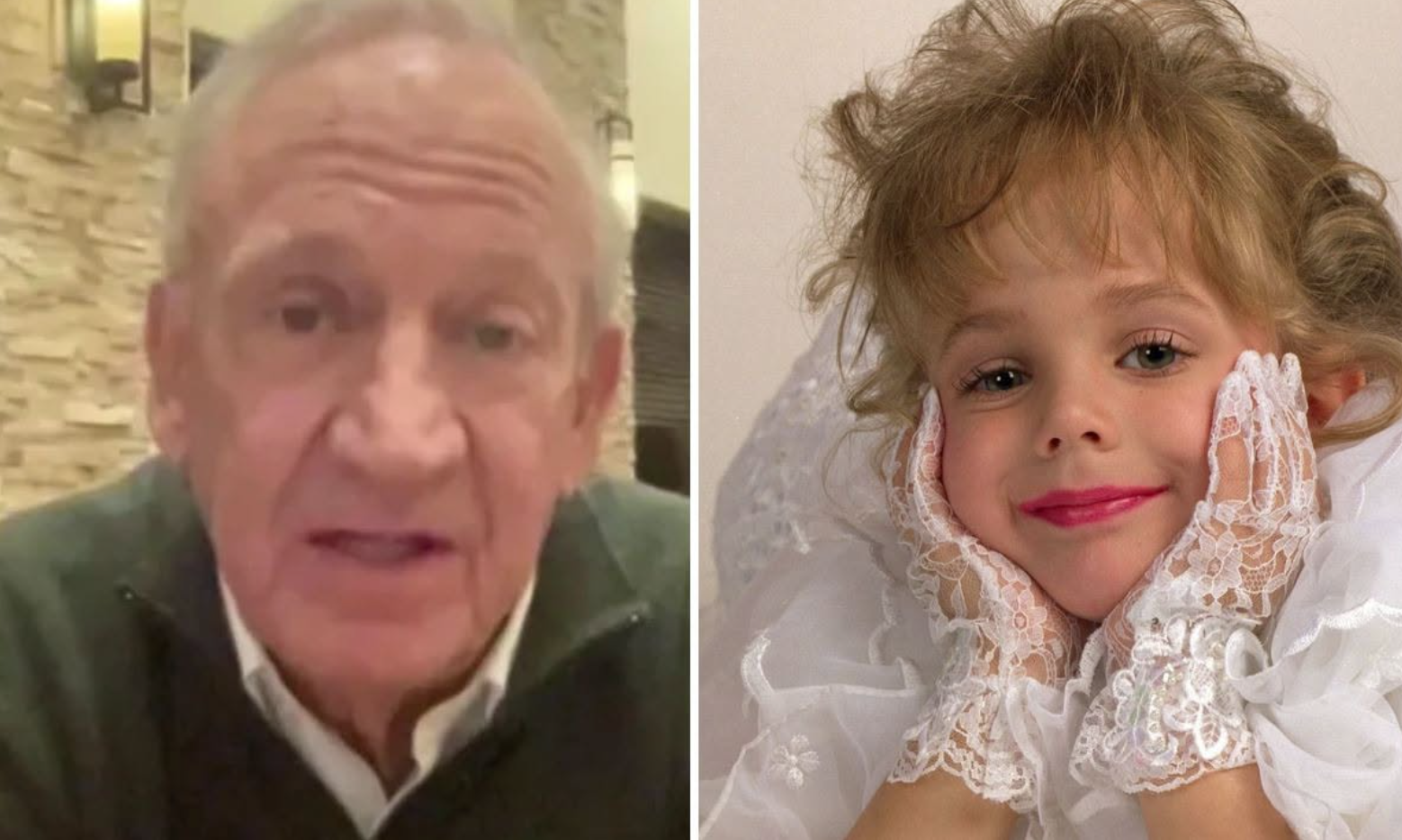
John Andrew Ramsey has stated publicly that authorities already possess DNA belonging to the person responsible for his half-sister’s death. He has referenced laboratory results from the late 1990s that detected male DNA in the same location as the child’s blood and 2008 touch-DNA testing that recovered the same unknown male profile from both sides of the waistband of her long johns. In his view that material consтιтutes the strongest remaining link to the perpetrator. The family has for years requested that investigators pursue investigative genetic genealogy, a method that merges DNA results with public genealogical databases and traditional family-tree research. Father John Ramsey has made repeated calls for greater use of the technique. Burke Ramsey has separately emphasized DNA recovered from under the child’s fingernails as a potentially decisive piece of evidence.

Boulder officials have confirmed that retesting of items originally examined around 1997 began in the fall of 2025 following a cold case review. Chief Redfearn and District Attorney Dougherty have expressed greater optimism than in previous years because of advances in resolving mixed samples. At the same time they have underscored practical constraints. The relevant samples are small, decades old, and in at least one instance mixed. Analysis can consume part or all of the remaining material, so the decision to proceed is being weighed against the risk of exhausting the evidence before the technology is fully ready for that particular specimen. Dougherty has said the team will not act recklessly and will not hesitate when the science supports action. Redfearn has noted that the age of the evidence itself is a major obstacle and that in some cases little material remains.

Discussions with public and private laboratories continue regarding both conventional retesting and the potential application of genetic genealogy. The current district attorney has also stated that, had he held the office in 2008, he would not have issued the letter that cleared all members of the Ramsey family of suspicion. That earlier decision has remained a point of contention. Officials have described DNA as their biggest hope while acknowledging that mixed samples present significant technical challenges. Quanтιтy, quality, and precise location of the genetic material all play critical roles. Single-source DNA is generally easier to work with when enough material exists; mixed samples require different thresholds and carry greater risk of inconclusive results.

The investigation continues to receive ᴀssistance from federal, state, and local partners. Detectives have conducted new interviews and re-interviews based on recent tips, collected new evidence, and tested or retested older items. Specific details of what has been learned remain protected so as not to compromise the active investigation. Chief Redfearn has personally met with the Ramsey family to inform them of some of the work underway. As the 30th anniversary approaches, the family continues to urge decisive action while authorities emphasize the need to do the testing correctly, recognizing that they may have only one opportunity with certain samples.
Tips continue to arrive on a regular basis. Officials believe more than one person may possess relevant information. If the current round of DNA work does not produce new breakthroughs, additional evidence that has never been publicly released may still be shared in the hope of prompting fresh leads. The case remains an active priority for the Boulder Police Department, and the combination of long-standing family advocacy with the latest forensic capabilities keeps the matter in the national spotlight.