The Woman They Tried to Discredit Part 4: The Witness Who Stayed Silent
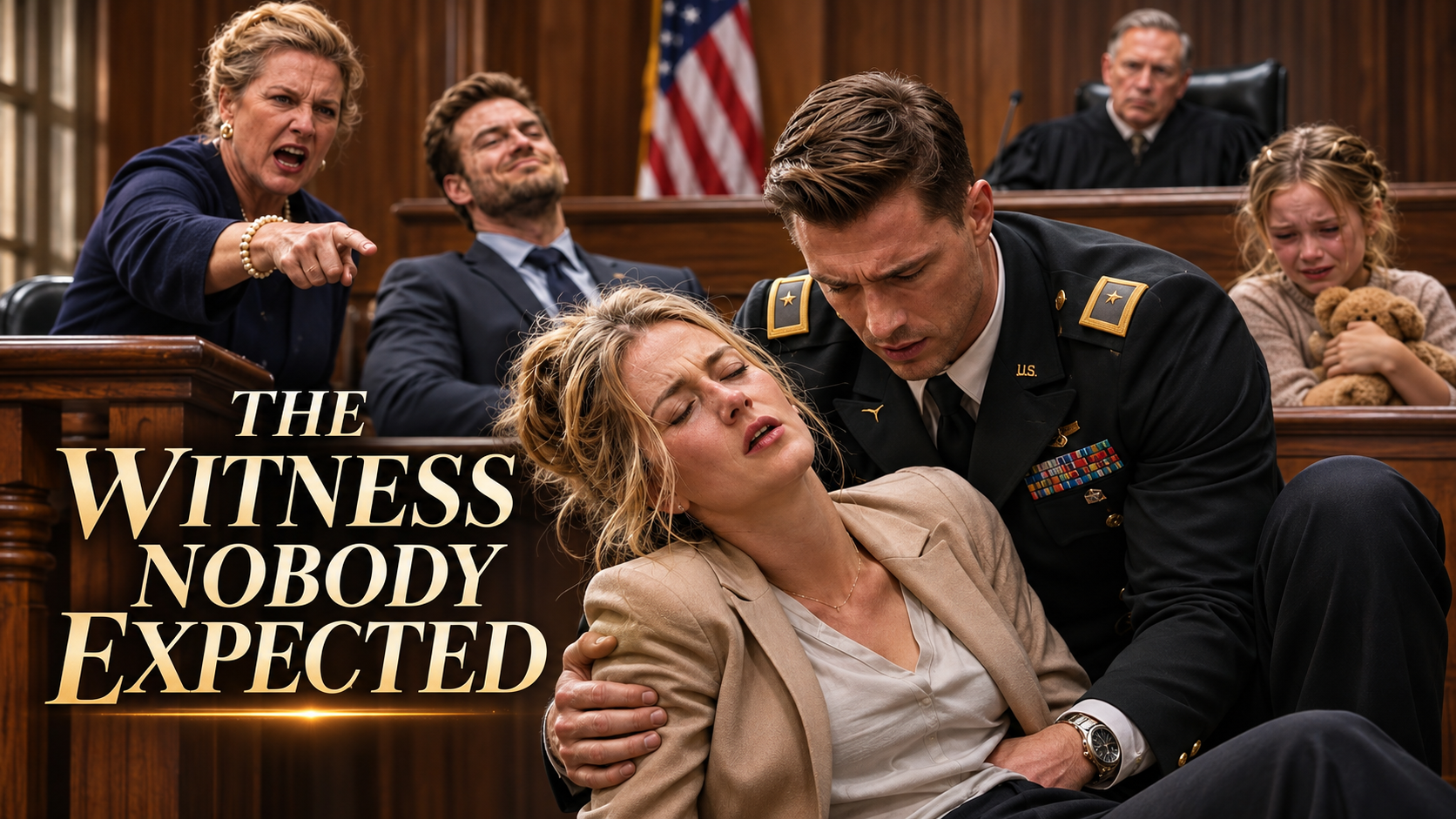
My mother had spent nineteen years pretending she knew nothing about my father’s final moments.
Now she was sitting at my kitchen table, holding the music box against her chest.
“I wanted to tell you,” she whispered.
“Then why didn’t you?”
“Because I was terrified.”
She explained that my father had asked her to accompany him to a meeting the night before his fatal accident.
He was planning to deliver financial records to an investigator.
Before reaching the meeting, they had stopped at a roadside restaurant.
There, my father received a telephone call.
Whatever he heard frightened him enough to change his plans.
He asked my mother to remain behind while he arranged for someone to collect her.
“He told me he didn’t want us traveling together,” she said. “But I refused.”
They continued driving.
During the journey, my father became convinced another vehicle was following them.
Then came the crash.
My mother survived with serious injuries.
My father did not.
I struggled to understand how she had concealed something so enormous.
“You were in the hospital because of a fall,” I said.
“That’s what your aunt told you.”
She had been frightened, grieving, and convinced that revealing what happened might place me in danger.
An investigator had interviewed her privately.
But without corroborating evidence, her account had never established whether the accident was deliberate.
“Your father told me something while we were waiting at that restaurant,” she continued. “He said that if anything happened to him, the blue sailboat would protect you.”
“What does that mean?”
She took an old pH๏τograph from her handbag.
It showed my father standing beside a blue sailboat at a marina.
Next to him was a young man in a Navy uniform.
I recognized Admiral Whitmore.
But there was another person in the pH๏τograph.
A woman with dark hair and a wide smile.
“That’s Evelyn Carter,” my mother said. “She worked with your father. She helped him collect the financial records.”
“Where is she now?”
“I haven’t seen her in nineteen years.”
We contacted investigators the following morning.
Using the receipt hidden in the music box, they identified an old storage facility ᴀssociated with my father’s records.
The records themselves had been moved years earlier.
But the facility’s documentation provided a link to Evelyn.
See more Stories :
Investigators eventually located her in a small coastal community.
She had changed careers, retired, and deliberately avoided public attention.
When she learned who I was, she agreed to meet.
“I wondered when you would come,” she said.
She explained that my father had arranged for copies of the financial evidence to remain with her.
The original investigators had received some of the material.
However, several important documents had never been fully connected to the people responsible.
“I kept everything,” she told me. “I couldn’t bring Robert back, but I could make sure his work wasn’t erased.”
She turned over the remaining records through the proper investigative channels.
There were payment authorizations, internal correspondence, and transaction histories.
The documents could help investigators determine whether Bennett and other executives had participated in financial misconduct.
But Evelyn also revealed something unexpected.
“Your father wasn’t investigating Charles Bennett alone.”
She showed me a company memorandum.
Near the bottom was a name I recognized instantly.
Patricia Lawrence.
My mother-in-law’s maiden name.
I stared at it.
“That’s impossible.”
Evelyn shook her head.
“She worked in the contractor’s administrative department before she married Daniel’s father.”
I felt sick.
Had Patricia known my father?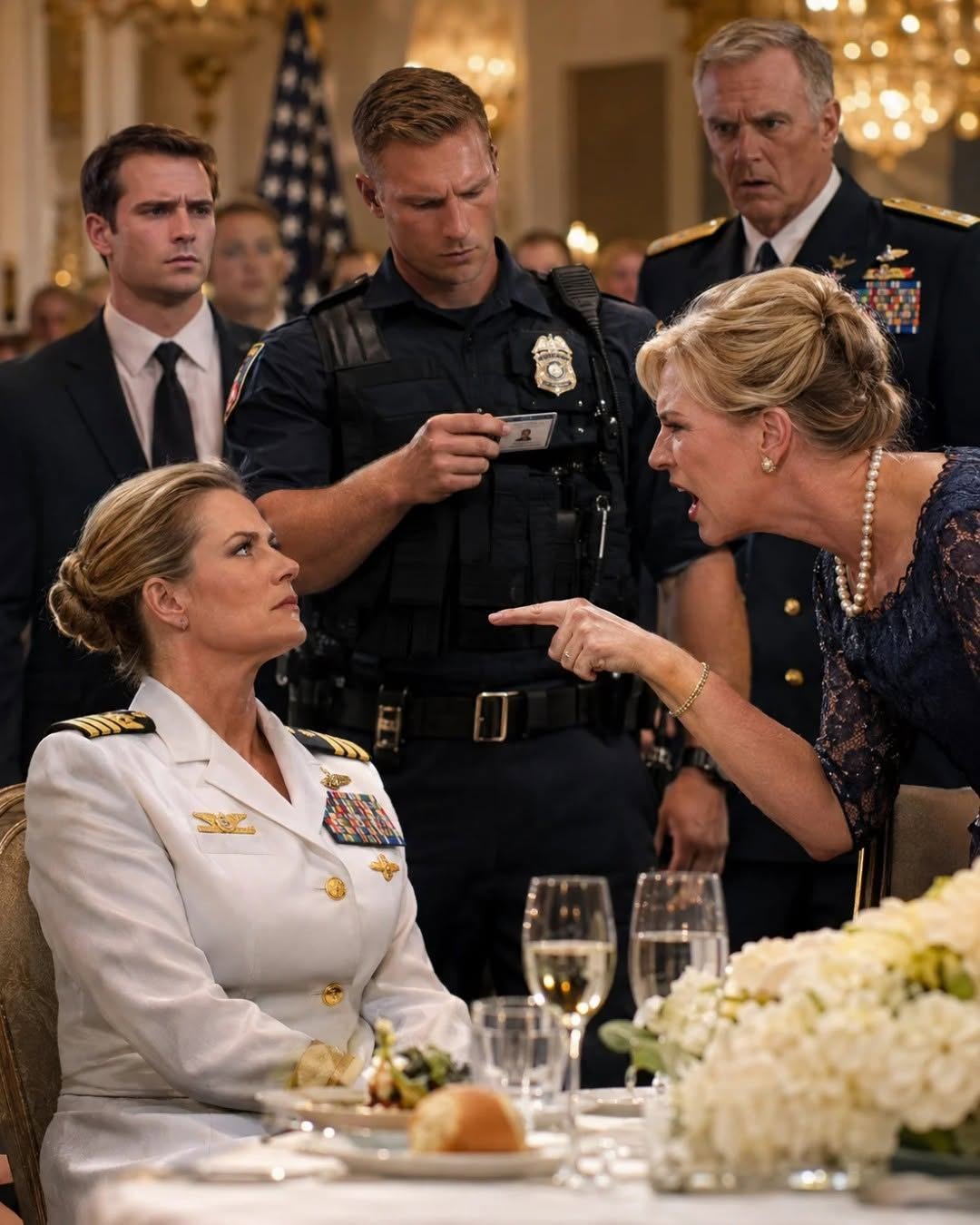
Had she hated me because of something that happened nineteen years earlier?
When investigators questioned her about the connection, Patricia initially claimed she couldn’t remember.
Then they showed her employment records.
She finally admitted that she had worked at the company.
She had known Charles Bennett.
She had even known my father by name.
But she insisted she had never realized Robert Hayes was my father.
“He was always Rebecca Mitchell to me,” she said, confusing her words in her panic. “I never paid attention to her maiden name.”
Daniel confronted her in my presence.
“You told me Bennett was an independent investigator.”
Patricia began sobbing.
“He contacted me and said he needed help. He said Rebecca was hiding something dangerous.”
“You knew him.”
“From years ago!”
“You lied to me.”
Patricia couldn’t respond.
For the first time, Daniel seemed to understand the full extent of his mother’s manipulation.
But the most disturbing discovery arrived two days later.
Investigators had reviewed Patricia’s old employment documents.
A series of transactions appeared to carry her signature.
The dates corresponded with suspicious payments my father had identified.
Patricia denied signing them.
“I swear I never authorized those payments.”
Nobody believed her.
After everything she had done to me, I certainly had little reason to trust her.
Yet when I looked at the documents, something bothered me.
I had seen Patricia sign birthday cards, checks, and invitations for eight years.
Her signature on the financial documents looked almost too consistent.
Every curve was identical.
Every flourish ended in precisely the same place.
I raised my concern with the investigators.
Then I did something my husband never expected.
I asked them to examine whether Patricia’s signature had been reproduced without her permission.
Daniel stared at me.
“After everything she did to you, you’re helping her?”
“I’m not helping her avoid responsibility,” I replied. “I’m making sure she receives the truth.”
Several weeks later, investigators shared a preliminary finding with Patricia’s attorney.
There were substantial indications that her signature had been copied.
She might not have authorized the transactions at all.
See more Stories :
Then they discovered an old internal memorandum involving my father.
It described an employee whose idenтιтy had apparently been misused to conceal suspicious payments.
My father’s recommendation was unmistakable.
The employee should be protected and informed. She appears unaware that her credentials are being used.
The employee’s name was Patricia Lawrence.
I sat motionless.
My father hadn’t been investigating Patricia.
He had been trying to save her.
And nineteen years later, the woman he had tried to protect had nearly destroyed his daughter’s life.