The Woman They Tried to Discredit Part 3: My Father’s Last Secret
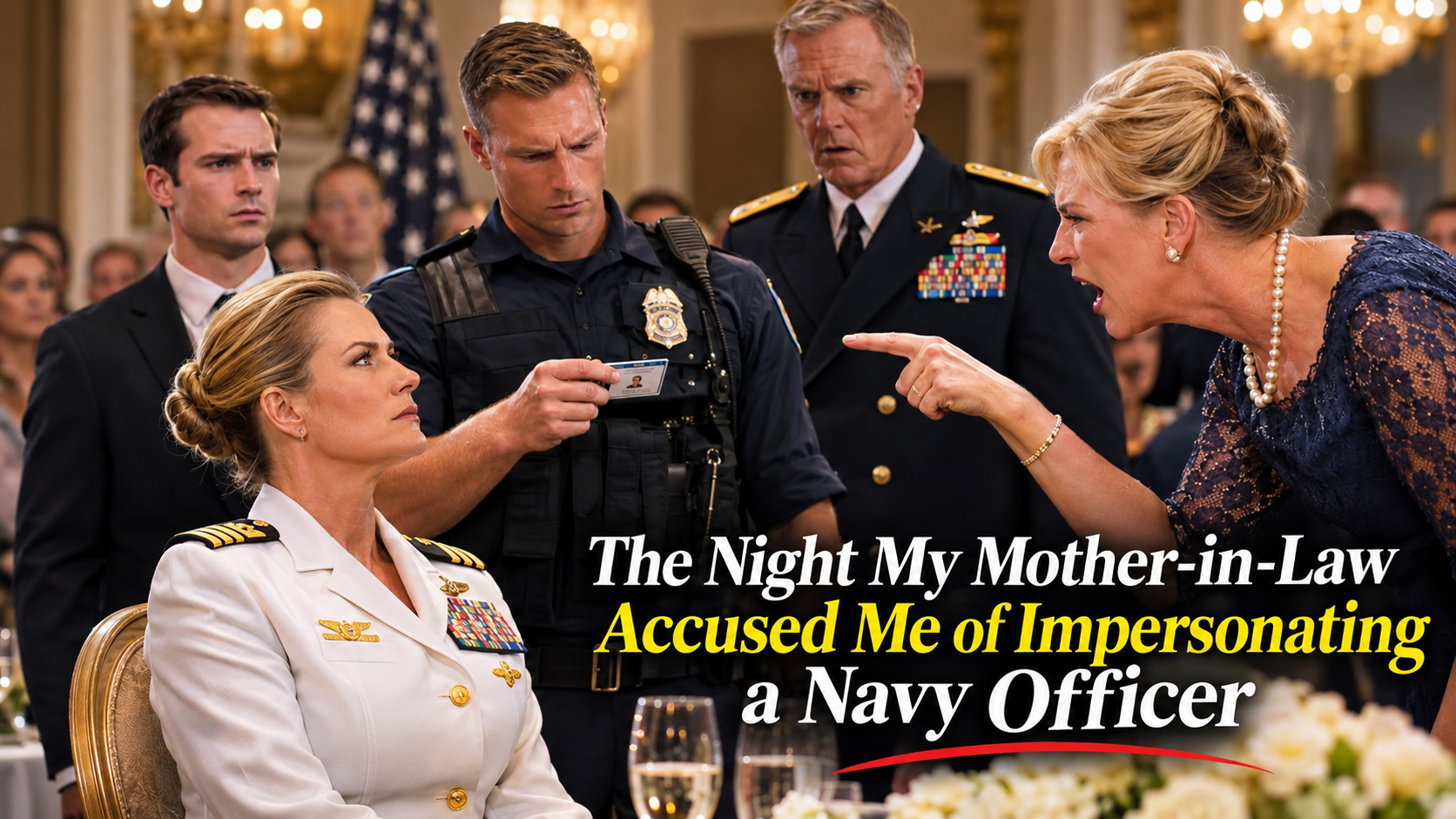
For nineteen years, I believed my father had died in an ordinary highway accident.
That was what the police report stated.
That was what my mother had told me.
And that was the explanation I had accepted while standing beside his grave on a cold November morning.
Now Admiral Whitmore was telling me there was more to the story.
We moved into a private conference room away from the reception.
Daniel followed me, but I refused to sit beside him.
The admiral placed Patricia’s envelope on the table.
“Your father discovered financial irregularities involving a private defense contractor shortly before his death.”
I stared at him.
“My father was an accountant.”
“An exceptionally good one.”
According to Whitmore, my father had identified payments connected to contracts for equipment that had never been delivered.
Millions of dollars had disappeared through subcontracting arrangements.
My father had prepared evidence for investigators.
But shortly before he was scheduled to provide additional testimony, his car crashed.
“The original investigation found no conclusive evidence of deliberate interference,” Whitmore explained. “However, questions remained unanswered.”
“Why wasn’t I told?”
“You were twenty-six years old, beginning your naval career, and your father’s records were incomplete. Investigators had no reason to involve you.”
I thought about the letter he had left me.
It contained no accusations, no financial figures, no dramatic confession.
Only memories.
Advice.
An apology for working too many late nights.
And a strange sentence I had never understood.
Rebecca, when people tell you that something has no value, look again.
“What did they want from his letter?” I asked.
“We don’t know yet.”
Daniel suddenly spoke.
“The man who contacted me said Rebecca’s father had stolen something.”
I turned toward him.
“You believed a stranger over your own wife?”
His eyes filled with shame.
“At first, I thought it was nonsense. But he knew things about your family. Things I didn’t think anyone else could know.”
See more Stories :
“So you pH๏τographed my personal belongings?”
“He said the letter would prove whether your father was involved in something illegal.”
I stood.
“That letter was the last thing my father ever gave me.”
Daniel began crying.
“I thought I was helping.”
“No. You thought you were enтιтled to answers you hadn’t earned.”
He didn’t argue.
There was a knock at the door.
A security supervisor entered and informed us that Patricia had identified the man who had been communicating with her.
His name was Charles Bennett.
The admiral immediately recognized it.
Bennett was a former executive at the defense contractor my father had investigated.
He had never been convicted of wrongdoing.
And for nearly two decades, he had lived comfortably under the appearance of respectability.
More recently, new information had brought renewed attention to the old financial investigation.
The timing was impossible to ignore.
“What does he want with me?” I asked.
Whitmore answered carefully.
“Possibly something your father left behind. Possibly to undermine your credibility before you discover it.”
I thought about my recent ᴀssignment.
For the past year, I had been overseeing a naval procurement review involving several companies.
One of those companies had acquired the contractor where Bennett once worked.
I hadn’t known the historical connection.
But Bennett apparently had.
My position gave me a legitimate reason to examine records he desperately wanted forgotten.
Suddenly, Patricia’s accusations made sense.
The stranger hadn’t needed to invent her hatred.
He had simply given it direction.
My own family had become his easiest way into my life.
Later that evening, investigators asked Daniel to preserve his communications.
Patricia reluctantly agreed to cooperate.
I returned home alone.
The house felt unfamiliar.
I opened my father’s cabinet and removed his letter.
For nearly an hour, I studied every word.
Nothing appeared unusual.
Then I noticed something.
My father had mentioned my childhood music box.
A small wooden box that played an old melody whenever its lid was opened.
He had repaired it shortly before his death.
I hadn’t touched it in years.
It was stored inside a cardboard container in the attic.
I retrieved it, wiped away the dust, and lifted its lid.
The melody played slowly.
Inside lay a pH๏τograph of my parents and a faded silver bracelet.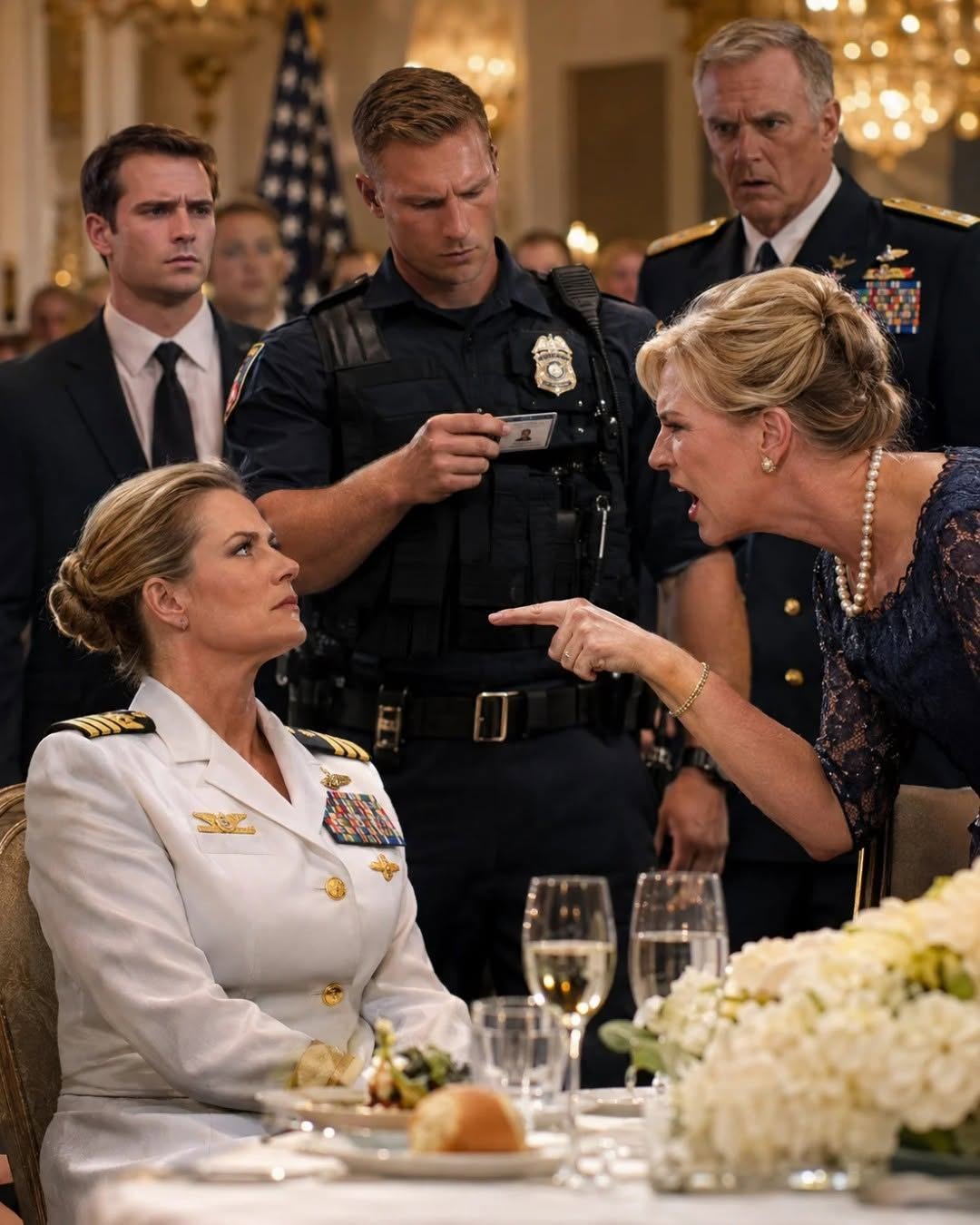
Nothing else.
I remembered my father’s words.
When people tell you that something has no value, look again.
I examined the bottom of the box.
The lining was slightly uneven.
Beneath it was a sealed envelope containing an old storage receipt and a handwritten account number.
There was also a small note.
Rebecca,
If you ever find this, please understand that I tried to do the right thing. I never wanted my decisions to become your burden.
Trust the person who remembers the blue sailboat.
Love, Dad.
I read the note three times.
Then I called Admiral Whitmore.
When I mentioned the blue sailboat, he went completely silent.
“Admiral?”
His voice was different when he finally answered.
“Rebecca, listen carefully. Your father didn’t write that message for me.”
“Then who?”
“Someone he trusted even more.”
Before he could explain, my doorbell rang.
I checked the camera.
An elderly woman stood outside carrying a navy-blue handbag.
My mother.
She looked exhausted.
When I opened the door, she saw the music box in my hands.
Her face immediately crumpled.
See more Stories :
“Oh, Rebecca.”
I held up the note.
“Mom, what is the blue sailboat?”
She began crying.
Then she whispered something that made me question everything I remembered about my childhood.
“Your father wasn’t alone when his car crashed.”
I stared at her.
“Who was with him?”
She closed her eyes.
“I was.”