Ezra: The Boy Who Faced a Difficult Surgery to Have a Chance at Walking
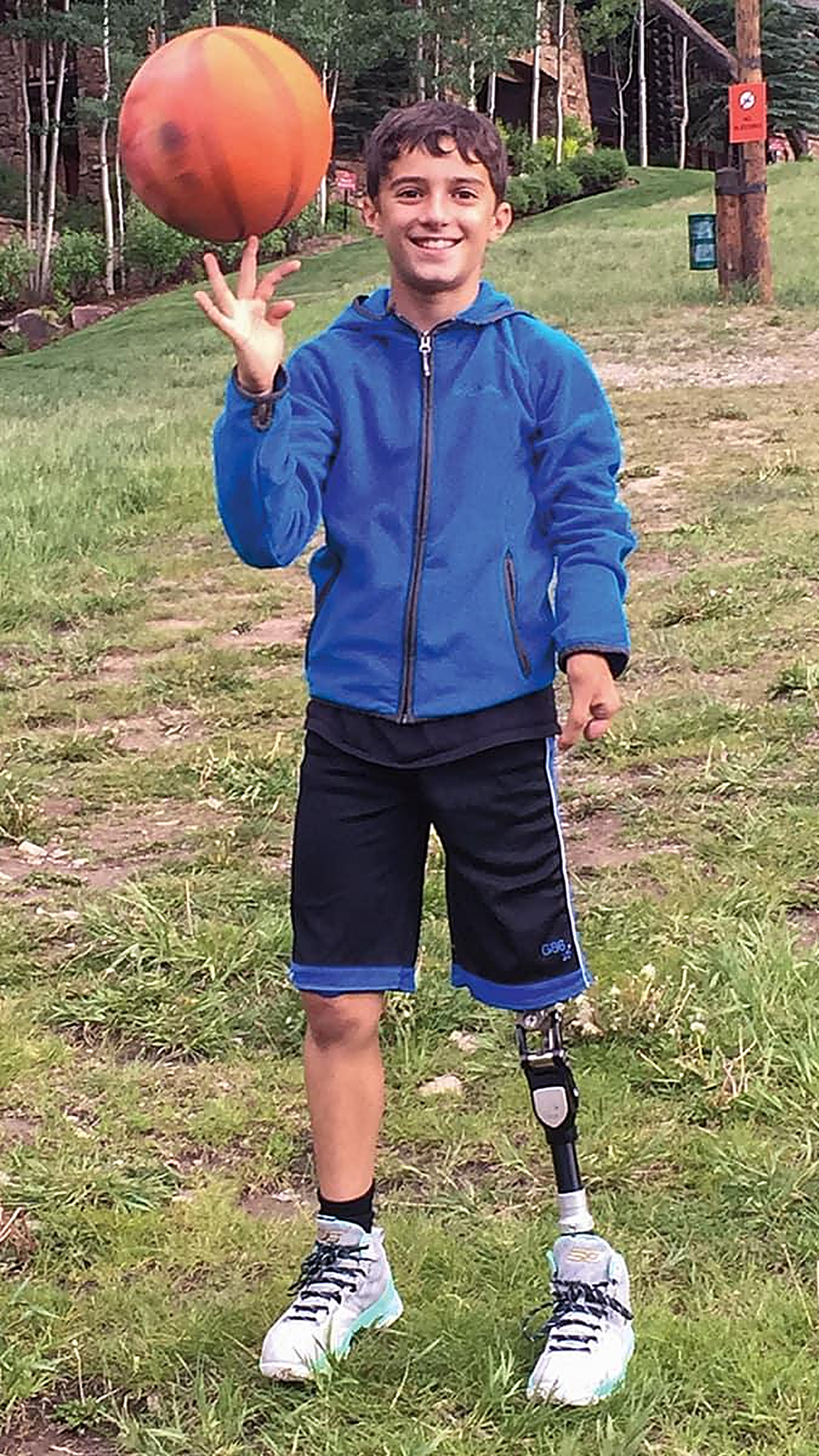
Ezra was born in 2005 in Los Angeles, California, with a rare congenital condition that affected the development of his left arm and leg. From the moment he was born, his family knew that his physical development would be different from that of other children.
His left hand had only one finger, while his left leg was severely underdeveloped. He was missing the tibia, the main bone in the lower leg, as well as the kneecap. His foot was positioned unusually close to his hip, making normal movement extremely difficult.
For his parents, the discovery brought a mixture of shock, worry, and uncertainty. They wondered what everyday life would look like for their son and whether he would ever be able to walk, run, or enjoy the same activities as other children.
Doctors explained that Ezra would need specialized equipment to support his mobility. His family began searching for ways to help him become as independent as possible.
At just 11 months old, Ezra received his first prosthetic leg. It was an important moment for the family because they hoped the device would help him learn to stand and eventually walk.
Unfortunately, the first prosthesis did not fit his unusual anatomy properly. Instead of making movement easier, it created additional difficulties. The family soon realized that the existing approach was not providing the support Ezra needed.
When he was two years old, his parents faced an incredibly difficult decision. After discussions with medical professionals, they agreed to surgery to amputate the underdeveloped lower portion of his left leg and foot.
Although the decision was emotionally painful, the procedure was intended to create a better foundation for prosthetic use. The hope was that a more suitable prosthetic limb would allow Ezra to develop improved balance and mobility as he grew.
After surgery, Ezra began the process of recovery and rehabilitation. He had to adapt to the changes in his body and gradually learn how to use his new prosthetic leg.
Learning to walk was not something that happened overnight. It required practice, patience, and the encouragement of the people who loved him. Each new movement represented progress toward a greater level of independence.
Throughout this journey, Ezra’s parents held on to a dream that many families share: they wanted their son to enjoy a happy and active childhood.
They hoped that one day he would be able to run around, ride a bicycle, play outdoors, and take part in activities with children his own age. They did not want his congenital condition to prevent him from experiencing the joys of growing up.
Ezra’s journey began with a rare physical condition and a series of difficult medical decisions. But it also became a story about a family’s determination to give their child every possible opportunity.
For his parents, the most important thing was never whether Ezra could do everything in exactly the same way as other children. What mattered was helping him discover his own abilities, develop confidence, and enjoy life to the fullest.
His story is a reminder that every child’s path to independence is different, and sometimes the smallest steps can represent the greatest achievements.