Why New York’s Mayor Spoke in a Ghanaian Language at a Teen’s Funeral
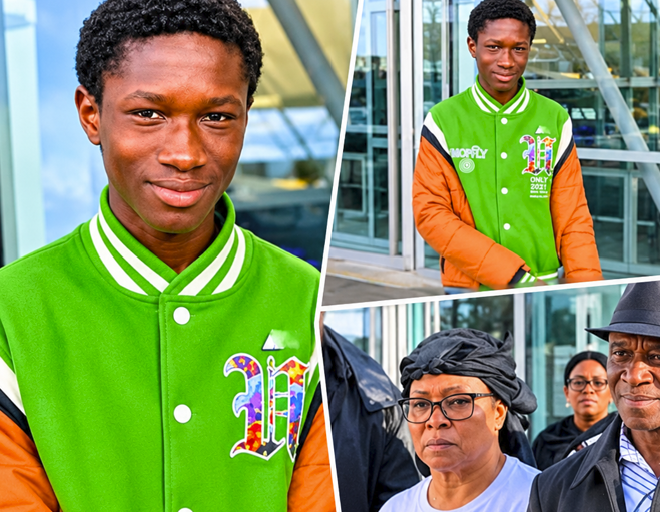
Hundreds of mourners filled New Covenant Christian Ministries in the Bronx on Friday for the funeral of 15-year-old Javits Frimpong, and among the most closely watched moments was the speech delivered by Mayor Zohran Mamdani. The mayor sat onstage with the family, NYPD Commissioner Jessica Tisch, and Ghanaian officials before rising to address the congregation. He described Javits as an extraordinary son, brother, and friend, a joking and friendly 15-year-old who possessed an uncommon sense of purpose. Though the teenager had been a New Yorker for only a short time, Mamdani said, New York City would forever be proud to call him one of its own. He noted that it was devastating for the community, the city, and the country that Javits would never put on a uniform or hold a stethoscope, and that everyone would be denied the many contributions he had been so determined to give.
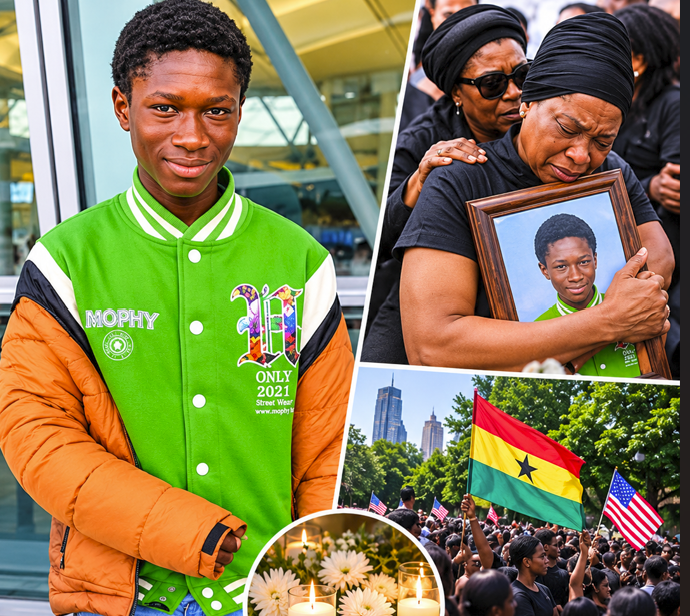
Mamdani concluded his remarks with a few words spoken in Twi, one of the languages of Ghana, and the gesture drew a standing ovation from the packed church. The choice reflected both the personal background of the mayor, who has spoken of his own arrival in the city from Africa as a child, and the deep presence of the Ghanaian community that turned out in large numbers for the service. Many mourners wore traditional dress, and Ghanaian flags were visible throughout the sanctuary. Mamdani had earlier played a direct role in ensuring the family could be together. After the October 29 shooting he contacted President Donald Trump and secured an emergency visa so that Javits’s mother, Doris Adu Gyamfi, could travel from Ghana to attend the funeral.
The mother sat in the front row wearing a stole that combined the Ghanaian flag with the words “Justice for Javits,” too grief-stricken to read her own statement, which was delivered by a relative. The mayor’s presence and the language he chose to close his speech underscored the city’s official recognition that the death of this particular teenager had resonated far beyond one neighborhood. Students from DreamYard Preparatory School, where Javits had been a tenth-grader, had already staged a walkout in the days after the killing. Grief counselors and outreach workers coordinated by the Mayor’s Office of Community Safety were deployed to the area. At the funeral Mamdani urged those present to honor Javits by tending to one another with the same love that defined him.
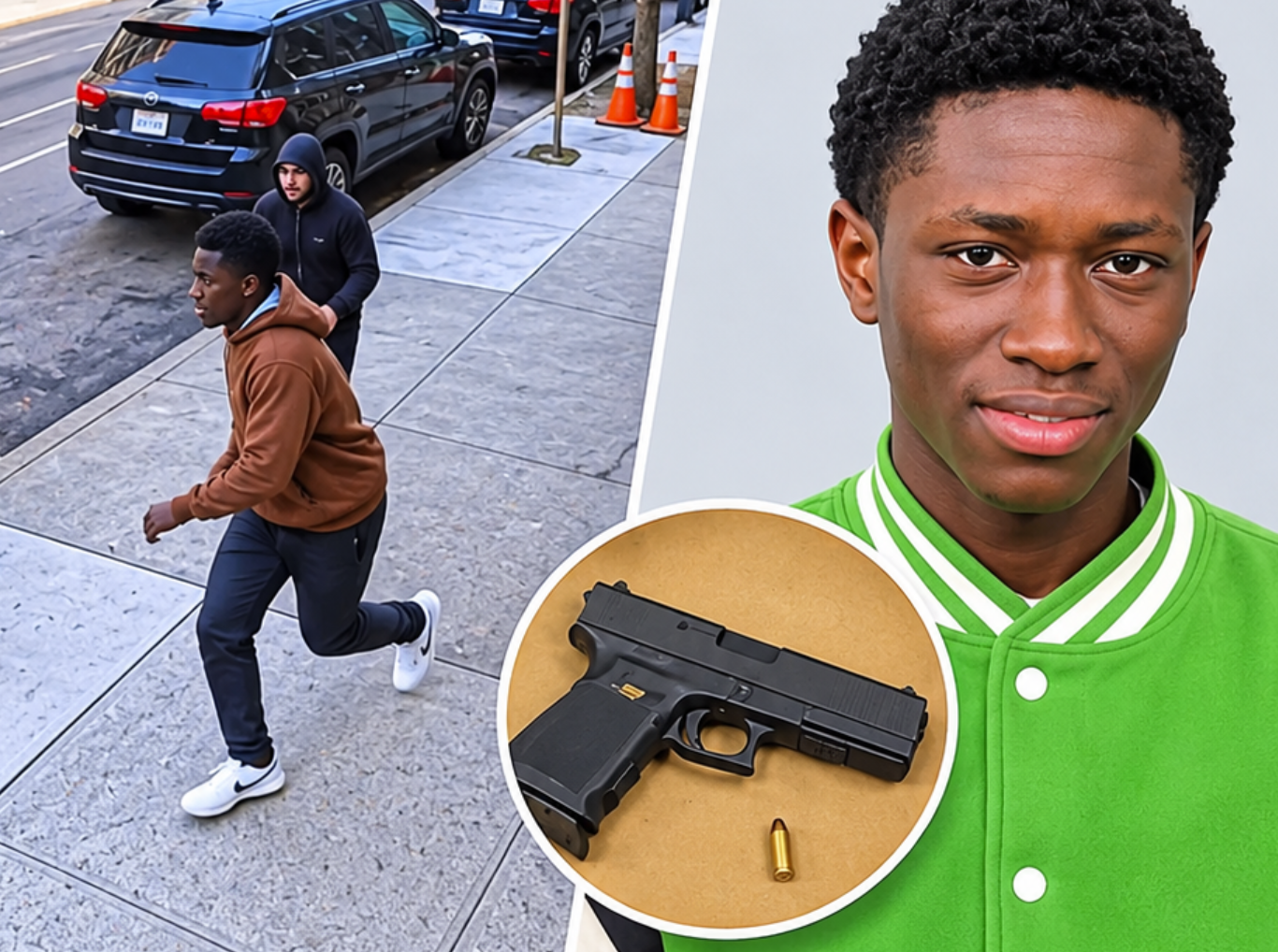
Rev. Al Sharpton, who delivered the eulogy, and attorney Ben Crump, who is representing the family, both addressed the larger pattern of youth gun violence. A 17-year-old suspect has been charged with murder and will be tried as an adult; two others remain sought. Prosecutors have told the family’s attorneys that the shooting does not appear connected to an earlier bullying incident at school that the father had reported. The service therefore became a moment in which city leadership, civil-rights advocates, and the Ghanaian community stood together, using both English and Twi to mark the loss of a boy who had crossed an ocean in search of opportunity and found violence instead. Officials from Ghana were also present onstage, reinforcing the international dimension of the grief.
The funeral took place three weeks after the shooting near Crotona Park, and the large turnout showed how quickly the story of a quiet Ghanaian teenager had moved from a local crime report to a citywide and cross-border moment of mourning. Mamdani’s decision to end his remarks in Twi was widely noted afterward as a deliberate gesture of respect toward the community that had lost one of its youngest members so suddenly.