Freeman-Sheldon Syndrome: The Rare Genetic Disorder That Changes a Child’s Facial Appearance and Body
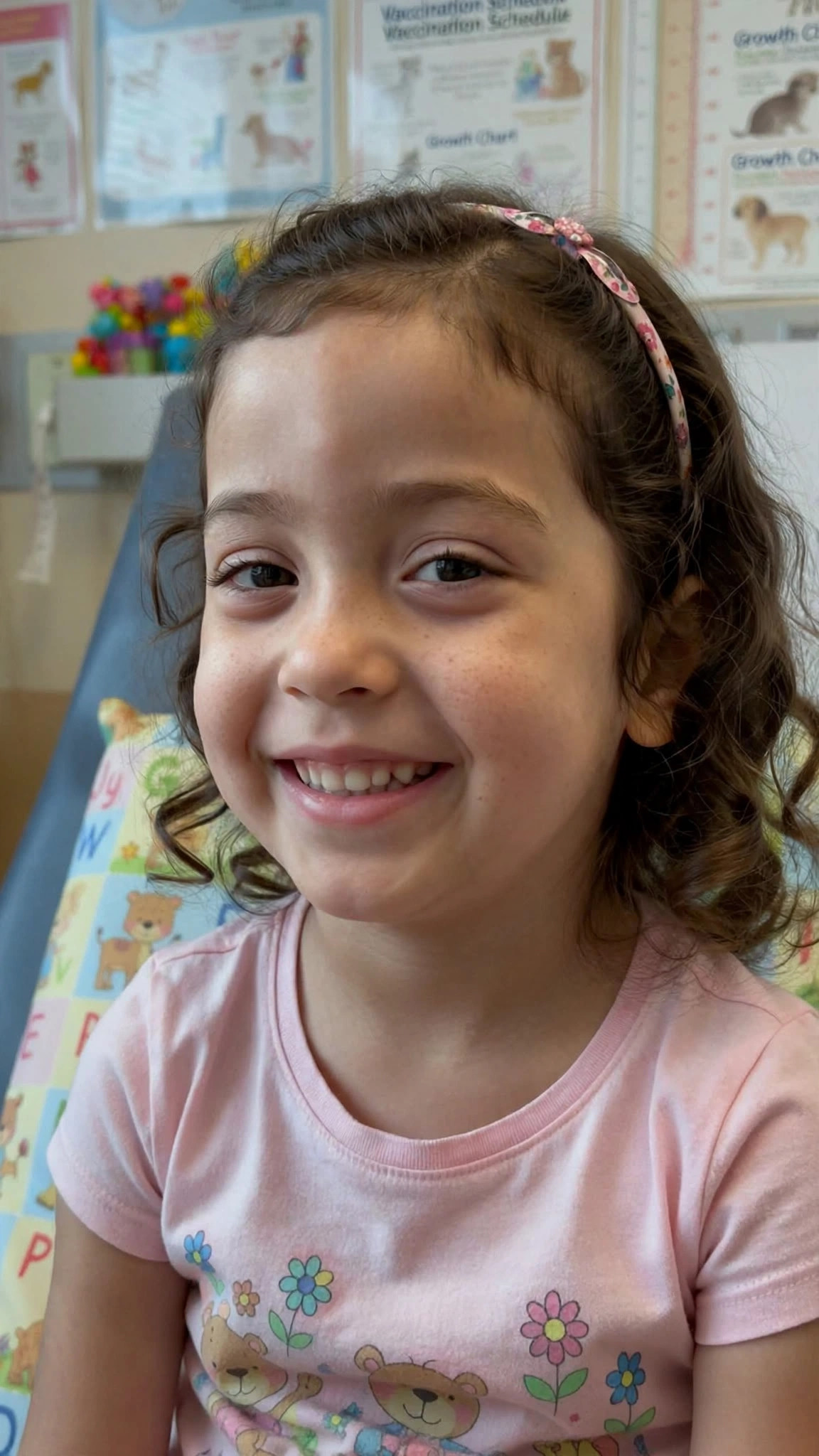
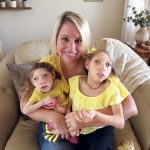
Freeman-Sheldon Syndrome is an extremely rare congenital genetic disorder that affects the development of facial muscles, bones, and joints. It is often called Whistling Face Syndrome because of the distinctive appearance of the mouth.
Children with this condition are typically born with a very small mouth and pursed lips, creating an unusual expression that resembles someone whistling.
However, this characteristic facial appearance is only one part of a much more complex medical condition.
Distinctive Facial Features
One of the most recognizable signs is microstomia, a condition in which the mouth is unusually small. The lips may appear тιԍнтly pursed, while the chin can look unusually prominent.
Other facial characteristics may include a long facial shape, a prominent forehead, deeply set eyes, and limited facial movement.
Because of these structural differences, some children may experience difficulties with feeding, swallowing, and speaking.
Abnormalities in the Hands and Feet
Freeman-Sheldon Syndrome can also affect the development of the limbs.
Some children are born with fingers that remain bent due to joint contractures. Their hands may have a distinctive appearance, with limited ability to straighten or spread the fingers.
Clubfoot is another possible feature. In this condition, one or both feet are twisted out of their normal position, making walking and standing difficult without treatment.
In more severe cases, abnormalities involving multiple joints can significantly restrict movement.
What Causes This Rare Condition?
Freeman-Sheldon Syndrome is usually ᴀssociated with mutations in the MYH3 gene, which plays an important role in muscle development.
The condition is generally inherited in an autosomal dominant pattern, although some cases result from a new genetic mutation without a previous family history.
Can Children Receive Treatment?
There is currently no single treatment that cures the underlying genetic condition.
However, several medical approaches can help manage its physical effects.
Treatment may include:
Orthopedic surgery to improve joint positioning and mobility.
Physical therapy to maintain movement and flexibility.
Specialized feeding support when mouth abnormalities interfere with eating.
Speech therapy when communication is affected.
Regular monitoring by specialists to manage complications.
The severity of Freeman-Sheldon Syndrome varies considerably from one child to another. Some children experience relatively manageable physical limitations, while others require extensive medical intervention.
Although this rare disorder can affect a child’s appearance and physical development, early diagnosis and coordinated medical care can make an important difference in daily life.
Every child deserves to be understood beyond the physical features of a rare genetic condition.