Two Sisters With a Rare Congenital Brain Condition Defy Doctors’ Expectations and Reach Ages 9 and 14
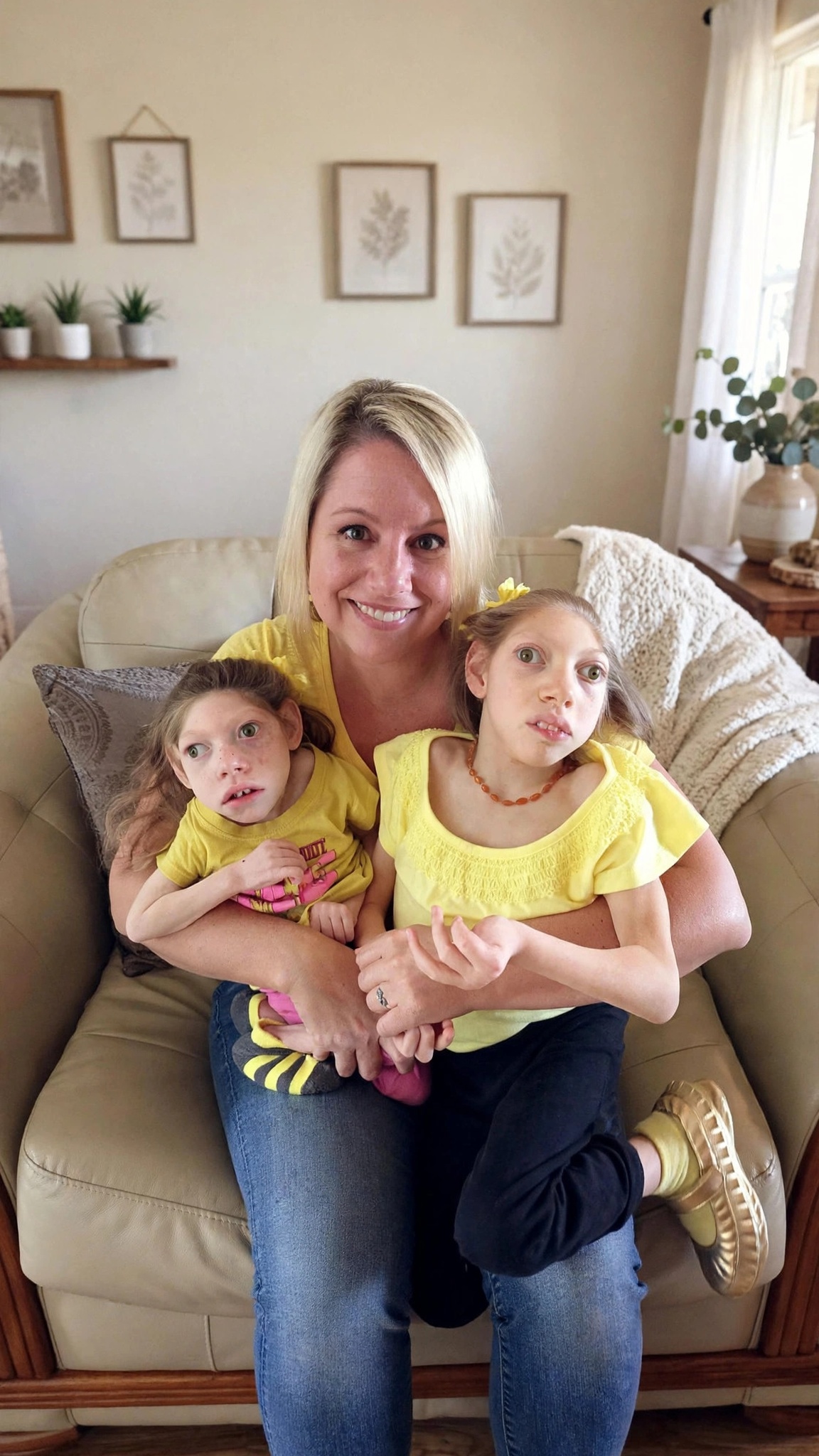
Claire and Lola Hartley were diagnosed with a serious congenital condition that left their family fearing they might not survive beyond their first birthdays. However, against the devastating expectations initially given to their parents, the two sisters have continued living, reaching the ages of 9 and 14.
Both girls suffer from microcephaly, a congenital condition in which a child’s head is significantly smaller than expected because the brain has not developed normally during pregnancy or early development.
Their unusually small skulls reflect the abnormal development of their brains. Depending on its severity and underlying cause, microcephaly can lead to significant neurological problems, developmental delays, difficulties with movement, and lifelong care needs.
The condition can result from different factors, including genetic abnormalities, certain infections during pregnancy, and other disruptions to fetal brain development. Congenital Zika infection is one known cause of severe microcephaly, particularly ᴀssociated with outbreaks in parts of South America.
When Claire and Lola were first diagnosed, their parents received an extremely worrying prognosis. Doctors reportedly believed that neither girl would live beyond the age of one.
For their family, those words were devastating. Instead of looking forward to watching their daughters grow up, they were forced to prepare for the possibility of losing them during infancy.
Yet the sisters continued to survive, year after year.
Their family focused on providing attentive care, appropriate nutrition, and the support needed to maintain their health. A carefully managed diet became part of their daily routine, helping address their nutritional needs as they continued living with their complex condition.
Today, Claire is 14 years old and Lola is 9. Their survival has brought their family years of experiences and precious moments they once feared they would never have.
Their story is both heartbreaking and inspiring. It demonstrates the importance of continued care, family dedication, and the individual differences that can exist between children living with serious congenital conditions.
Although a healthy diet cannot cure microcephaly or reverse abnormal brain development, proper nutrition and appropriate medical support remain important parts of caring for children with complex neurological conditions.