Rohit The 12-Year-Old Indian Boy Who Has Suffered Around 100 Bone Fractures Due to Brittle Bone Disease
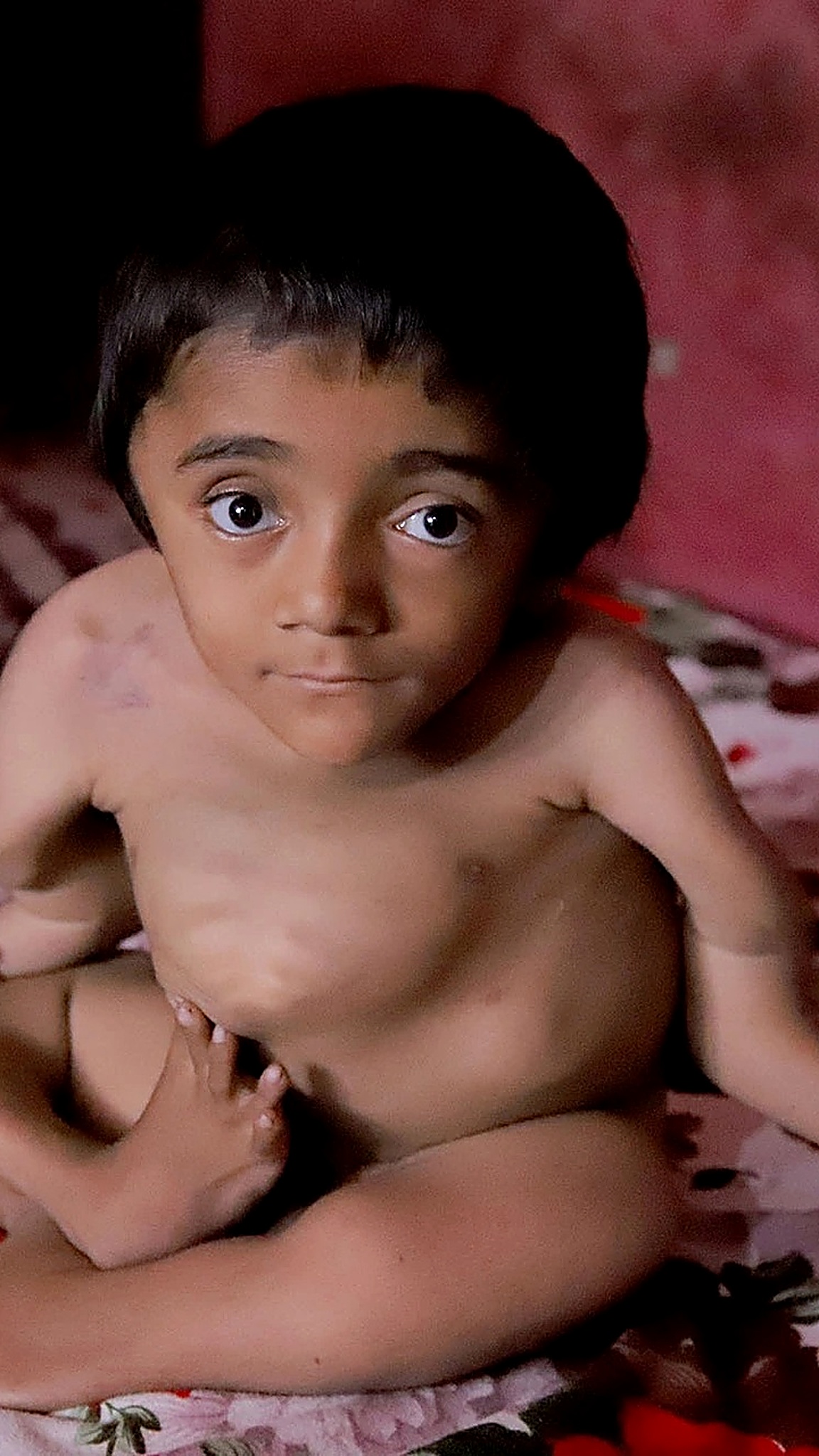
For most children, childhood is a time filled with running, jumping, playing with friends, and discovering the world. But for Rohit, a 12-year-old boy from Uttar Pradesh, India, even the simplest physical activities can carry the risk of serious injury.
His bones are extraordinarily fragile. A minor fall, an accidental bump, or pressure during everyday activities can potentially cause a painful fracture.
Rohit was diagnosed with Osteogenesis Imperfecta shortly after birth. Commonly known as Brittle Bone Disease, this rare genetic disorder affects the body’s ability to develop strong and healthy bones.
According to the information reported about his case, Rohit has experienced approximately 100 bone fractures throughout his young life.
For a child who should be enjoying an active childhood, living with such a condition means constantly facing the possibility of another injury.
What Is Osteogenesis Imperfecta?
Osteogenesis Imperfecta (OI) is a rare genetic disorder characterized by unusually fragile bones that fracture much more easily than normal.
The condition is often ᴀssociated with abnormalities in the production or processing of collagen, particularly type I collagen.
Collagen is an important structural protein found throughout the body. It provides strength and flexibility to bones, skin, tendons, ligaments, and other connective tissues.
In people with certain forms of Osteogenesis Imperfecta, genetic changes affect the body’s ability to produce normal collagen.
Without sufficient structural support, bones become weaker and more vulnerable to fractures.
The severity of the disease varies significantly. Some patients experience only a few fractures throughout their lives, while others may suffer repeated fractures beginning before birth or during infancy.
Why Can a Gentle Touch Cause a Bone to Break?
One of the most frightening aspects of severe Osteogenesis Imperfecta is how easily some patients can sustain fractures.
In a healthy person, bones are strong enough to withstand ordinary daily movements and moderate physical impacts.
However, in someone with severe OI, even relatively minor forces may exceed the strength of the affected bones.
A simple fall from a low height, an accidental collision, or an awkward movement can sometimes result in a fracture.
For children with severe forms of the disease, parents and caregivers must take special precautions when lifting, carrying, dressing, and positioning them.
However, it is important to understand that not every gentle touch causes a fracture. The risk depends on the individual’s disease severity and the condition of their bones.
A Childhood Marked by Repeated Fractures
For Rohit, the reported experience of approximately 100 fractures illustrates the extraordinary physical challenges ᴀssociated with severe Osteogenesis Imperfecta.
Repeated fractures can cause considerable pain and may require immobilization, medical examinations, and sometimes surgical treatment.
As bones heal, some may become deformed, particularly when fractures occur repeatedly during periods of rapid growth.
Long bones in the arms and legs can gradually develop abnormal curves, affecting posture, balance, and the ability to stand or walk.
Some children with severe OI may also experience reduced muscle strength because pain and repeated injuries limit their physical activity.
Over time, these complications can make independent movement increasingly difficult.
Other Symptoms ᴀssociated With Brittle Bone Disease
Although fragile bones are the most recognizable feature, Osteogenesis Imperfecta can affect several other parts of the body.
Depending on the type and severity, possible symptoms include:
Blue, gray, or unusually dark discoloration of the whites of the eyes.
Abnormal bone growth and skeletal deformities.
Short stature.
Joint hypermobility and weak muscles.
Hearing loss, which may develop during adolescence or adulthood.
Dental abnormalities known as dentinogenesis imperfecta.
Respiratory complications in some individuals with severe forms.
Not every person with OI experiences all these symptoms.
The condition can range from relatively mild to extremely severe, with different medical challenges throughout a person’s life.
What Causes Osteogenesis Imperfecta?
Osteogenesis Imperfecta is usually caused by genetic mutations affecting the production or processing of collagen.
The most common forms involve mutations in the COL1A1 or COL1A2 genes, which provide instructions for making type I collagen.
These mutations can result in reduced amounts of collagen or the production of structurally abnormal collagen.
As a consequence, the bones do not develop the strength and resilience needed to withstand ordinary physical stress.
Most cases are inherited in an autosomal dominant pattern, although new genetic mutations can also occur in children whose parents do not have the condition.
Some less common forms involve other genes responsible for bone formation and development.
Is There a Cure for Brittle Bone Disease?
There is currently no universal cure that permanently eliminates Osteogenesis Imperfecta.
However, modern medical treatments can help reduce fractures, strengthen bone health, manage pain, and improve patients’ mobility.
Treatment often involves several approaches.
Medication: Bisphosphonates may be prescribed for selected patients to improve bone density and reduce the risk of fractures.
Orthopedic surgery: In children with repeated fractures or severe bone deformities, surgeons may insert specialized metal rods into long bones to provide additional structural support.
Physical therapy: Carefully supervised exercises can help strengthen muscles, improve coordination, and maintain joint movement.
Fracture management: Broken bones must be treated carefully to support proper healing and reduce the risk of additional deformities.
Long-term monitoring: Patients may require regular ᴀssessments of bone health, hearing, dental development, and respiratory function.
Treatment is individualized according to the patient’s age, disease severity, fracture history, and overall health.
A 12-Year-Old Boy Who Deserves a Childhood Without Fear
At only 12 years old, Rohit has already experienced a level of physical hardship that is difficult for most people to imagine.
While other children can run across playgrounds, climb stairs, and play without worrying about their bones, he must approach even ordinary movements with caution.
The fear of another fracture can affect not only his physical development but also his emotional well-being and independence.
His condition requires continuous medical attention, patience, and support from the people around him.
Despite the difficulties ᴀssociated with Osteogenesis Imperfecta, children living with this condition deserve opportunities to learn, build friendships, develop their abilities, and experience the happiness of childhood.
Rohit’s story highlights the reality of a rare genetic disease that can turn everyday activities into significant medical challenges.
For Rohit, every movement requires courage, and every fracture-free day is something to cherish.