A Young Boy Living With Vitiligo: The Story Behind His Unusual Skin Color
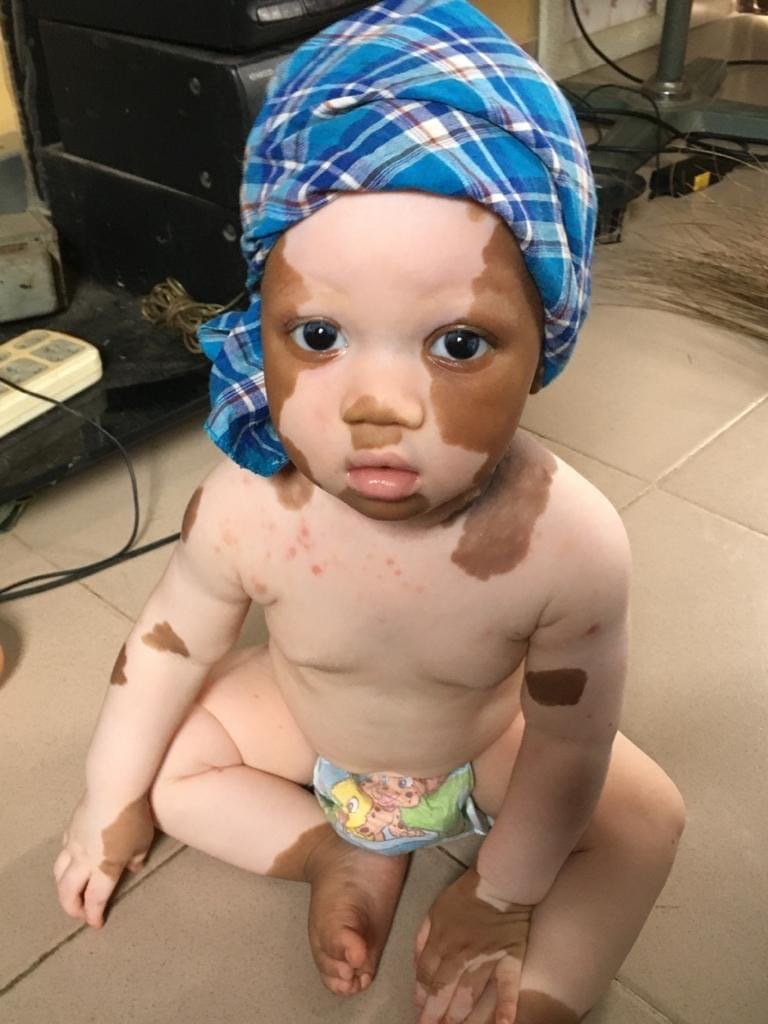
From an early age, this young boy began experiencing noticeable changes in the color of his skin. Small, pale patches gradually appeared on his body, standing out against his natural skin tone.
Over time, these areas became more visible, creating contrasting patterns of pigmentation across different parts of his skin.
After medical evaluation, he was diagnosed with vitiligo, a chronic skin condition characterized by the loss of pigment in certain areas of the body.
Although vitiligo is not a life-threatening disease, it can significantly change a person’s physical appearance and sometimes create emotional challenges, particularly for children.
What Is Vitiligo?
Vitiligo is an acquired skin condition that causes patches of skin to lose their natural pigmentation.
The color of human skin is largely determined by melanin, a pigment produced by specialized cells called melanocytes.
In people with vitiligo, these pigment-producing cells are destroyed or stop functioning in certain areas. As a result, the affected skin gradually loses its color and develops pale or completely white patches.
The condition can affect almost any part of the body, including the face, hands, arms, legs, feet, and areas around the eyes and mouth.
In some individuals, the patches remain limited to a few small areas. In others, they can gradually spread across larger portions of the body.
Vitiligo can affect people regardless of their age, gender, or natural skin color. It may first appear during childhood, adolescence, or adulthood.
Why Does His Skin Have Different Colors?
The most noticeable feature of vitiligo is the contrast between normally pigmented skin and areas that have lost their color.
The affected patches are often milky white or significantly lighter than the surrounding skin. Their shapes and sizes can vary, and they may appear in separate areas or gradually expand.
Vitiligo is generally considered an autoimmune condition. This means that the immune system mistakenly attacks the body’s own melanocytes, the cells responsible for producing skin pigment.
Scientists believe that genetic factors and other environmental influences may contribute to the development of the condition.
However, vitiligo is not caused by poor hygiene, ordinary skin infections, or contact with another affected person.
It is important to understand that the condition is not contagious. The boy cannot transmit vitiligo to classmates, friends, or family members through physical contact.
How Vitiligo Can Affect a Child’s Childhood
Although vitiligo does not usually cause physical pain, its visible effects can create difficulties for children as they grow up.
Children are often sensitive about their appearance, especially when they begin interacting with classmates and making new friends.
A child whose skin has clearly visible white patches may attract unwanted attention or receive questions from people who do not understand the condition.
Some children living with vitiligo may feel uncomfortable wearing short sleeves, shorts, or clothing that exposes the affected areas.
Others may become anxious about pH๏τographs, school activities, or social situations where their skin differences are more noticeable.
The emotional impact can sometimes be more difficult than the physical symptoms themselves.
For this reason, emotional support from parents, teachers, and friends plays an important role in helping children develop confidence and maintain a positive self-image.
Can Vitiligo Be Treated?
There is currently no guaranteed permanent cure for vitiligo, but several treatments can help restore some pigmentation or reduce the contrast between affected and unaffected skin.
Depending on the child’s age, the location and extent of the patches, and whether the condition is progressing, dermatologists may recommend topical corticosteroids, topical calcineurin inhibitors, or pH๏τotherapy using narrowband ultraviolet B light.
Some treatments encourage the remaining melanocytes to produce pigment or help restore pigment in affected areas.
However, treatment results vary considerably. Some patches may regain color, while others may respond only partially or remain unchanged.
Because children’s skin requires particular care, treatment should always be supervised by a qualified dermatologist.
Sun protection is also important because depigmented areas are more vulnerable to sunburn.
A Boy Who Deserves to Feel Confident
For this young boy, vitiligo means growing up with skin that looks different from that of many other children.
But the white patches on his body do not define who he is.
He deserves to attend school, play with friends, participate in activities, and enjoy childhood without feeling ashamed of his appearance.
His story reminds us that beauty does not come from having perfectly even skin or looking exactly like everyone else.
Vitiligo changes pigmentation, but it does not diminish intelligence, personality, kindness, or human value.
Every child deserves understanding, acceptance, and the freedom to grow up feeling confident in their own skin.