The Little Girl Who Couldn’t Feel Pain
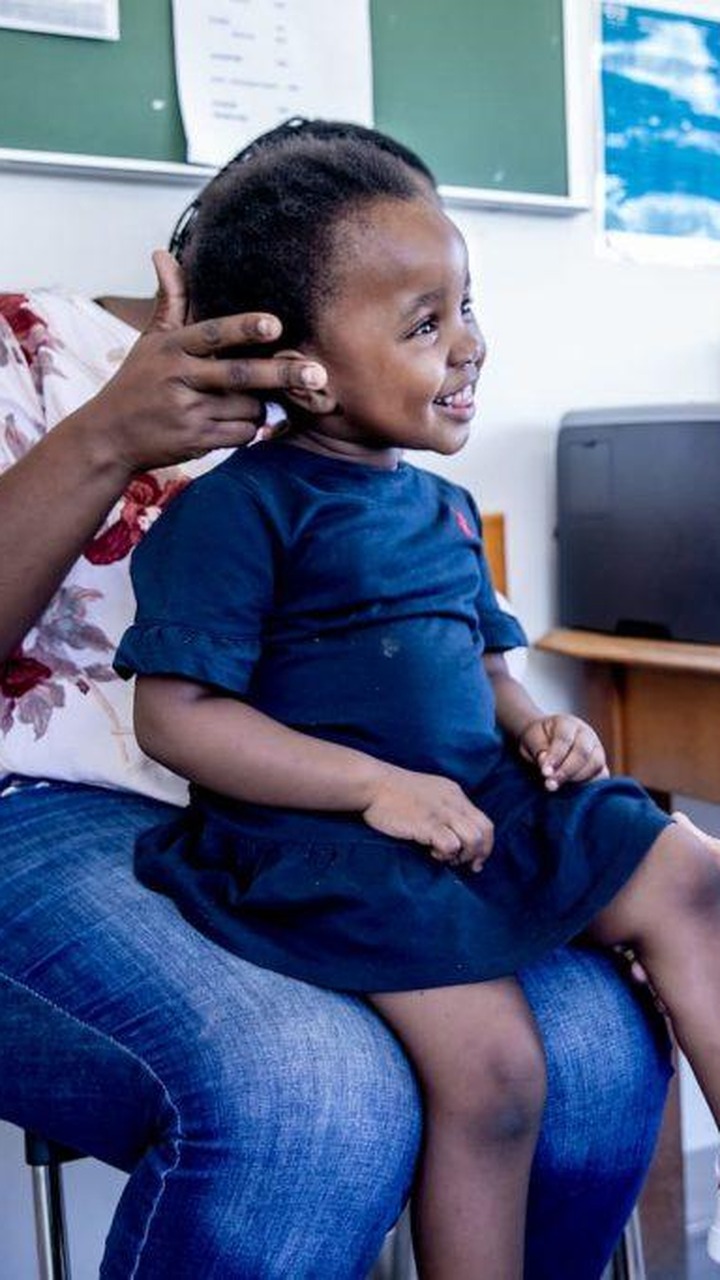
At eight years old, Mia was living with a rare genetic disorder that made her relationship with the world very different from that of most children.
She had been diagnosed with Congenital Insensitivity to Pain with Anhidrosis, commonly known as CIPA. It is an extremely rare inherited condition that affects the nervous system, preventing the body from sensing pain normally and disrupting its ability to sweat.
For most people, pain is an automatic warning system. When someone touches something H๏τ, cuts a finger, or twists an ankle, the nervous system sends signals that alert the brain to potential injury.
For Mia, that protective system did not work properly.
She could accidentally injure herself without experiencing the pain that would normally make her stop and seek help.
A scraped knee might not make her cry. A cut on her hand might go unnoticed. Even a more serious injury could remain hidden until someone else discovered the physical signs.
Her parents had learned that they could never ᴀssume Mia was uninjured simply because she appeared comfortable or continued playing.
They developed a careful daily routine that included checking her skin and limbs for bruises, cuts, swelling, burns, and other injuries.
Her feet and joints required particular attention because repeated unnoticed injuries can lead to serious complications over time.
In some individuals with CIPA, repeated damage to bones and joints can cause a condition known as Charcot joints, in which progressive joint damage develops because injuries are not properly recognized.
However, Mia’s condition involved another serious challenge.
She also had anhidrosis, meaning her body could not produce sweat normally.
Sweating is essential for regulating body temperature. When the body becomes too warm, sweat evaporates from the skin and helps release excess heat.
Because Mia could not rely on this natural cooling mechanism, her body was vulnerable to overheating.
H๏τ weather, physical activity, warm indoor environments, and prolonged exposure to direct sunlight required careful management.
Her parents monitored her surroundings, encouraged regular hydration, used cooling methods when necessary, and made sure she had access to comfortable, temperature-controlled environments.
They also watched for warning signs of overheating, such as unusual warmth, flushed skin, lethargy, irritability, or changes in behavior.
Temperature regulation was not simply a matter of comfort for Mia. It was an important part of protecting her health.
Her family worked closely with healthcare professionals to establish appropriate safety measures and monitor her condition.
Even simple childhood experiences required additional planning.
Before playing outside, her parents considered the weather. During physical activities, they paid close attention to her condition. After playtime, they carefully checked her body for injuries she might not have noticed.
But they also understood that Mia needed opportunities to enjoy life beyond medical precautions.
She loved ordinary childhood activities, including drawing pictures, playing with her favorite toys, listening to stories, and spending time with her family.
Her parents encouraged her curiosity and independence while teaching her to recognize situations that could put her at risk.
They wanted her to understand her body, learn safe habits, and gradually become more confident in managing everyday situations.
Living with CIPA required constant awareness, but Mia was never defined solely by her diagnosis.
She was an eight-year-old girl with interests, emotions, friendships, and dreams of her own.
Her parents knew that protecting her meant paying attention to things most families rarely had to think about. They had to become her extra warning system, noticing dangers that her body could not always recognize.
For them, every small precaution mattered.
Mia’s story offers an important reminder about the role pain plays in human survival. Although nobody enjoys experiencing pain, it serves an essential purpose by warning us when something is wrong.
For Mia, that natural warning system was missing.
And every day, through patience, medical support, and unconditional love, her family helped provide the protection her body could not always give her.