🌊 The Lost City of Atlantis — Myth or Forgotten History?
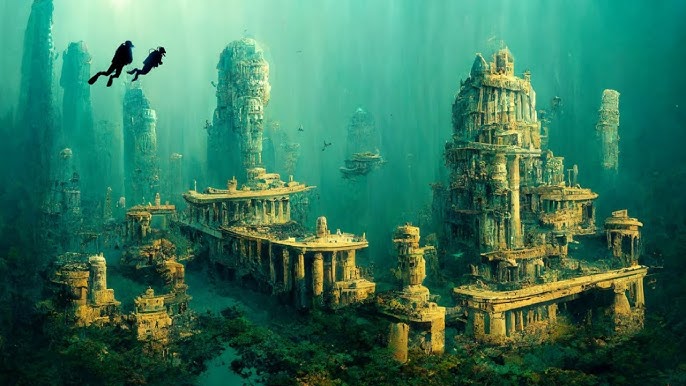
The legendary Atlantis has fascinated humanity for centuries, inspiring stories of lost civilizations, underwater ruins, and ancient catastrophes First described by the Greek philosopher Plato more than 2,000 years ago, Atlantis was portrayed as a powerful and highly advanced island civilization that supposedly disappeared beneath the sea after a devastating disaster.
Historians and archaeologists continue debating whether Atlantis was intended as a real historical account or simply a philosophical allegory. Many scholars believe Plato used the story to illustrate moral lessons about power, pride, and the downfall of civilizations. Others suggest the legend may have been inspired by real ancient events such as volcanic eruptions, earthquakes, tsunamis, or the collapse of coastal societies
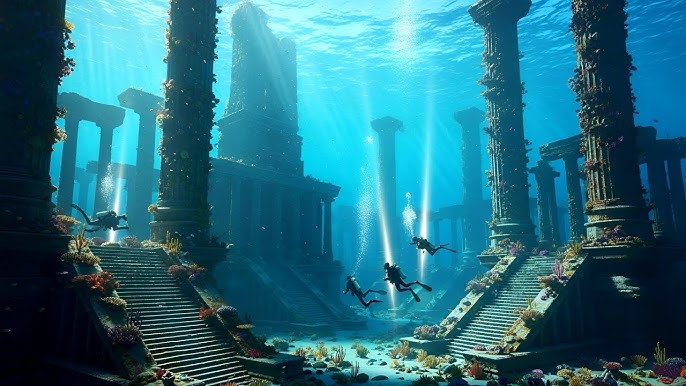
Some researchers have linked Atlantis theories to historical disasters in the Mediterranean region, including the eruption of the volcanic island of Thera, which affected the ancient Minoan civilization. However, no archaeological discovery has ever conclusively proven the existence of Atlantis exactly as Plato described it.
Despite countless expeditions, sonar scans, and sensational headlines claiming Atlantis has been found, scientists have never uncovered verified evidence of a single lost super-civilization beneath the ocean. Most underwater discoveries connected to Atlantis theories are actually remains of known ancient settlements submerged by rising sea levels or geological activity.
Whether myth or history, Atlantis continues to capture the imagination because it combines mystery, disaster, and humanity’s curiosity about forgotten worlds. Even today, the legend remains one of history’s greatest and most enduring mysteries