Soldier, Survivor Contestant, and Suicide-Prevention Ambᴀssador: The Life Lee Reeves Built Outside the Ropes Before His Final Fight
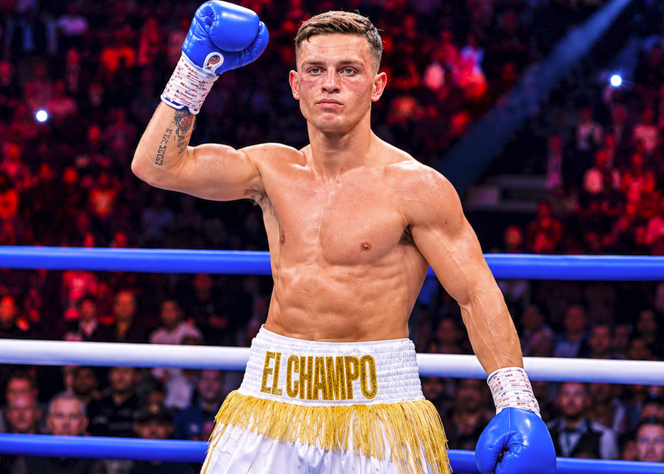
Lee Reeves was born on 28 February 1995 in Limerick, the eldest of four children of Cathy and Tony Reeves. By the time he turned professional in 2018 he had already been a five-time national amateur champion, a foundation that carried him into paid bouts first under a promotional deal in Canada and later across Ireland and the United Kingdom. His professional ledger finished at 16-2 with 11 knockouts, yet those numbers capture only the part of his life spent inside the ropes. Outside the ring Reeves enlisted in the Irish Defence Forces and completed training with the 12th Infantry Battalion based at Sarsfield Barracks in Limerick in 2024. The discipline of military service sat alongside his boxing career and gave him another form of structure and purpose. In 2023 he stepped into an entirely different arena when he joined the cast of the BBC reality series Survivor UK. Contestants were placed on a desert island and voted out one by one; Reeves lasted until day 20, at which point the remaining players decided he was simply too much to keep around. He became the first member of the jury and later cast his vote for the eventual winner, Matthew Haywood.

The appearance introduced him to a wider audience beyond boxing circles and showed a side of his personality that mixed compeтιтiveness with an outgoing presence. The deepest commitment outside the ring, however, was his work with Limerick Treaty Suicide Prevention. Reeves’ mother, Cathy, had died by suicide in 2015 after years of illness that included breast cancer. That loss shaped his decision to become an ambᴀssador and active volunteer for the organisation. Friends and local officials repeatedly described how he used every opportunity to highlight the impact of mental health struggles on young people and to promote the resources available in Limerick. He was proud of his city and of his family; those who knew him spoke of his closeness to his father Tony, his sisters, and the nieces and nephews who adored him in return.
When the news of his death broke on 17 November 2026, the tributes that followed reflected this broader life. Queensberry’s statement called him a role model and an inspiration to his community. Jonathan O’Brien, who had kept the public updated throughout the months of hospitalisation and had organised a GoFundMe to help with medical costs, wrote that Reeves had fought hard until the end and asked him to look over his sisters and father from above. Limerick Treaty Suicide Prevention posted a simple message recognising him as their ambᴀssador. Catherine Slattery, a family friend and councillor, said the city was a dark place that night and that the loss would be felt for a long time.
She noted that the only consolation was the belief that Reeves’ mother and brother were waiting for him. The combination of military service, a national television appearance, and sustained mental-health advocacy created a public profile that extended well beyond his 16 professional wins. Those elements also explain why his death at 31 after the 1 August knockout loss to Gary Cully resonated so widely in Limerick and across Irish sport. The same resilience that carried him through early professional fights in Canada and Colombia, through the challenges of Survivor, and through the personal grief that drove his advocacy work was visible in the three-month hospital fight that followed the tenth-round stoppage. In the end the infection he contracted in November proved stronger than that resilience, yet the life he had built outside the ropes remains the clearest measure of who Lee Reeves was.