Why Does Nine Months of Advanced DNA Work Still Leave Nancy Guthrie’s Abductor Unnamed?
Nancy Guthrie, the 84-year-old mother of Today co-anchor Savannah Guthrie, was last seen inside her Catalina Foothills home near Tucson on the evening of January 31, 2026, and reported missing the next morning; more than nine months later the joint Pima County Sheriff’s Department and FBI investigation still has no publicly named suspect and continues to treat the disappearance as an abduction. Bloodstains recovered near the entrance of the house were confirmed through laboratory testing to belong to Nancy herself, while a mixed male DNA sample collected inside the residence has undergone repeated analysis at multiple specialized laboratories across the country. A hair recovered from the scene produced no usable DNA profile yet was retained for possible future comparison, and detectives traveled to Florida in late October to consult laboratory scientists about advancing the remaining mixed samples. Sources familiar with the work have indicated that many of the recovered profiles match known visitors who had legitimate reasons to be inside the home, while one partial profile proved insufficient for entry into the national CODIS database. Investigative genetic genealogy was also applied to certain items, including a glove found roughly two miles away that visually resembled gloves worn by the masked individual captured on the porch camera, yet that glove likewise produced no CODIS hit.

Retired homicide detective Chris McDonough, host of the program The Interview Room, told NewsNation’s Ashleigh Banfield in an interview published around November 9 that the sheriff’s department has placed “way too much emphasis on technology.” Banfield herself raised the possibility that the unidentified male DNA could belong to an unrelated person such as a delivery driver rather than the perpetrator. McDonough, who spent decades conducting homicide investigations before DNA testing became routine, argued that the fundamental skills of talking to people, reconstructing the victim’s daily routines, and mapping her circle of influence remain indispensable. He has further suggested that the offender may display attributes of both disorganized and organized behavior and that more than one person could have been involved. In particular he has questioned whether the masked figure seen on the front-porch camera is the same individual who authored the early ransom communications that were later released to the public.
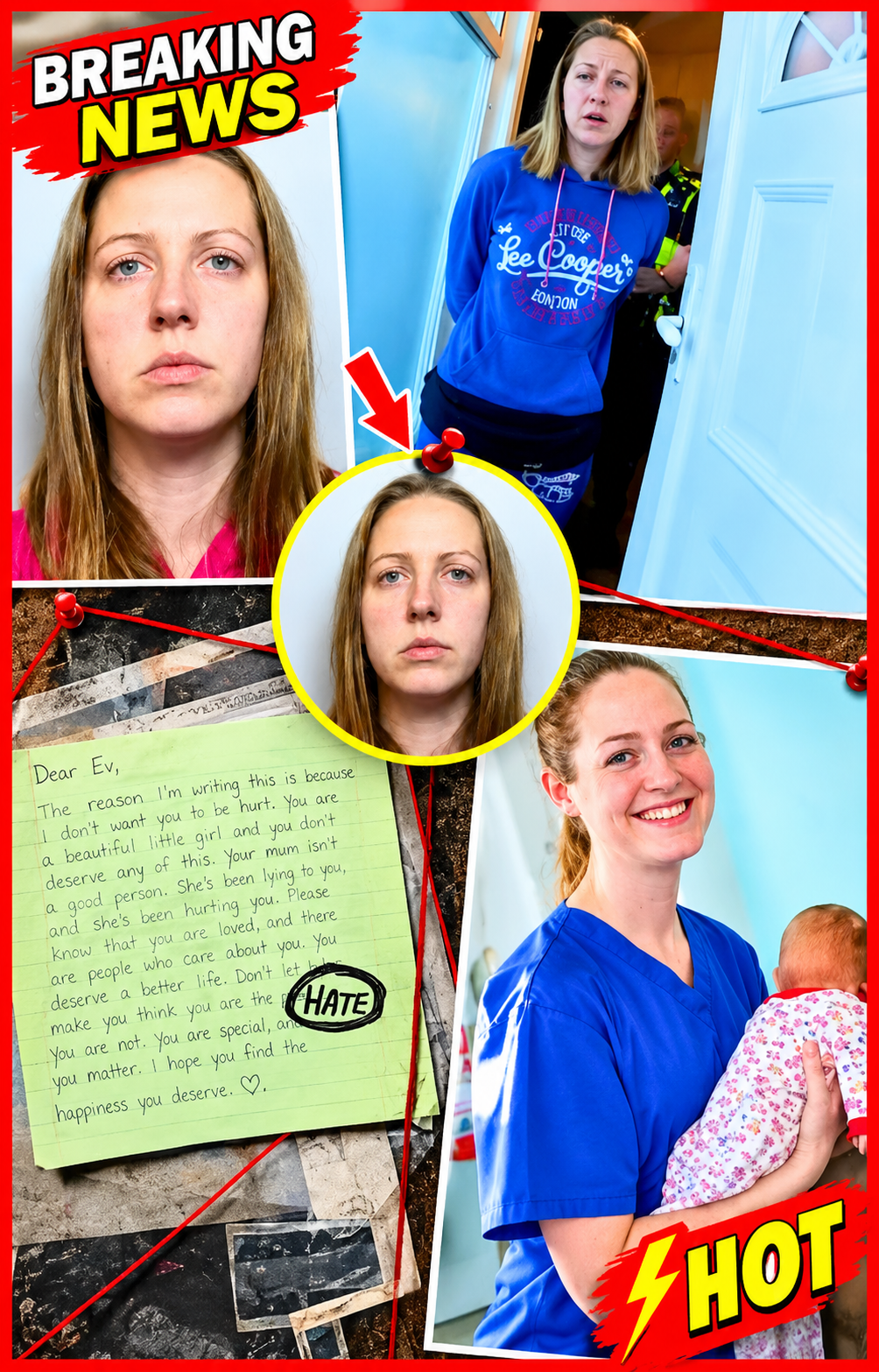
The early ransom notes, originally sent to a Tucson television station, demanded millions of dollars in cryptocurrency and stated that Nancy was safe but scared; a subsequent note claimed she had died shortly afterward and was “buried in nature.” Those communications were released in redacted form so that distinctive linguistic patterns might be recognized by someone who knew the writer. Later reported notes were examined and ruled not credible. Images and video of the masked porch figure, widely called “Porch Guy” online and described as approximately five feet nine inches tall, continue to circulate; the individual appeared to interfere with a doorbell camera. Despite the extensive forensic effort, the absence of a named suspect after nine months has left open the possibility that the key DNA sample does not belong to the abductor at all.

Savannah Guthrie has maintained a public presence throughout the search. On November 1 she marked the nine-month point with an Instagram post that included a drawing by her young daughter and described the family’s continuing pain even as outward daily life continues. A combined reward exceeding one million dollars remains available for information leading to Nancy’s recovery or to an arrest. The sheriff’s department has repeatedly stated that no tip is too small and has urged anyone with knowledge to contact investigators. The combination of laboratory work, surveillance review, and public appeals continues, yet the lack of a breakthrough has prompted retired investigators to call for a renewed focus on classic detective methods alongside the technology.

As of mid-November the task force is still consulting laboratories and processing remaining evidence while the family continues to ask for community ᴀssistance. The case illustrates the tension that arises when cutting-edge forensic tools produce no immediate identification and when the most promising physical evidence may ultimately prove unrelated to the crime. Until a suspect is named or Nancy is located, both the scientific analysis and the traditional investigative avenues remain open.