The Torture of One DEA Agent Ended an Untouchable Cartel—But It Also Unleashed the Wars That Still Kill Thousands Every Year
On February 7, 1985, U.S. Drug Enforcement Administration agent Enrique “Kiki” Camarena left the American consulate in Guadalajara and was seized by Mexican police officers working on behalf of the Guadalajara Cartel. His pilot, Alfredo Zavala Avelar, was taken shortly afterward. Both men were tortured and killed. The episode, carried out in retaliation for Camarena’s role in locating and destroying a major marijuana plantation tied to the organization, shattered the relative impunity the group had enjoyed and set in motion the sequence that led to the arrest of its principal figures, including Miguel Ángel Félix Gallardo. More than four decades later, the same murder remains one of the most consequential single acts in the history of the U.S.-Mexico drug relationship, both for the immediate diplomatic crisis it produced and for the longer fragmentation of criminal power that followed.
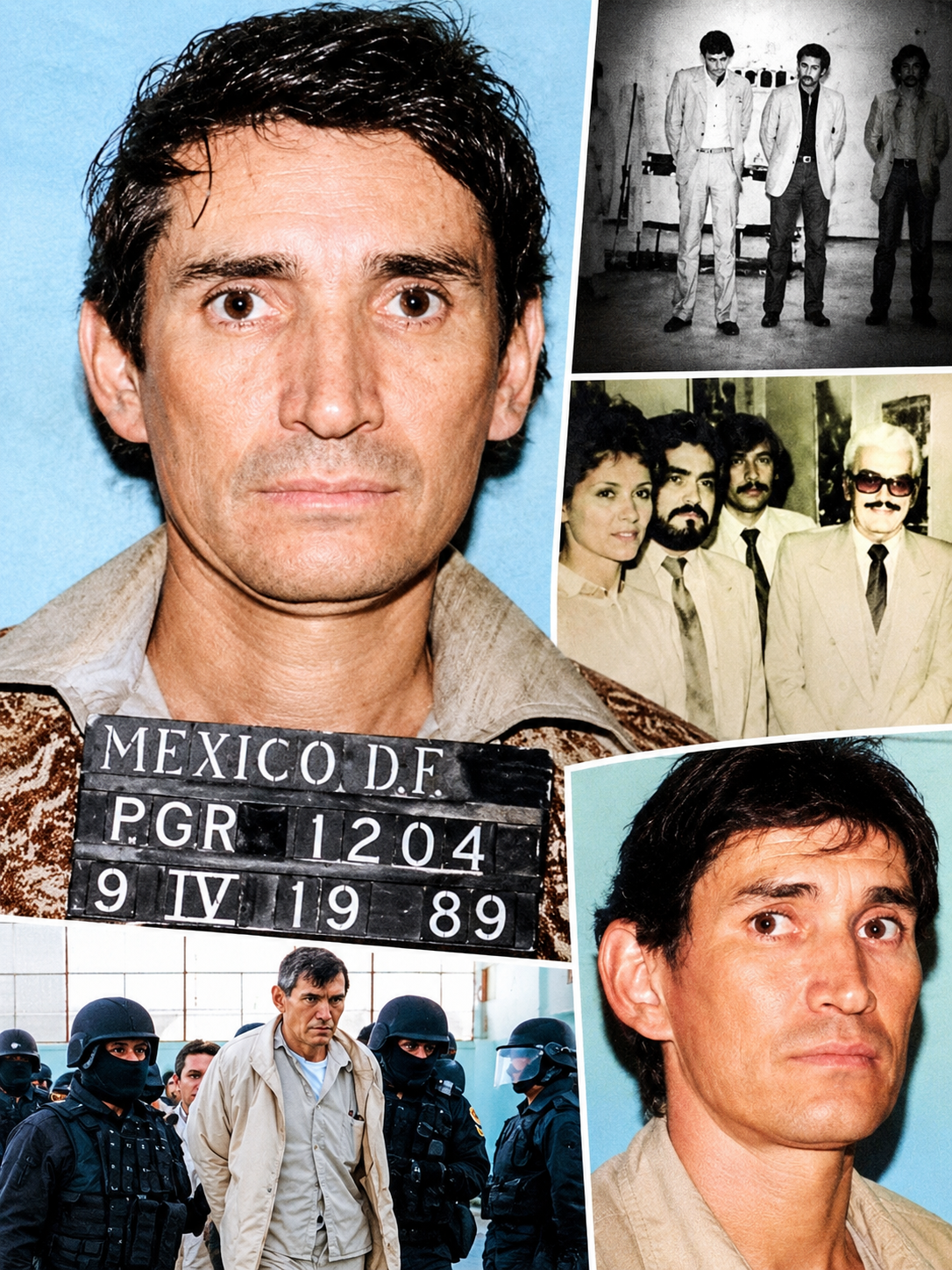
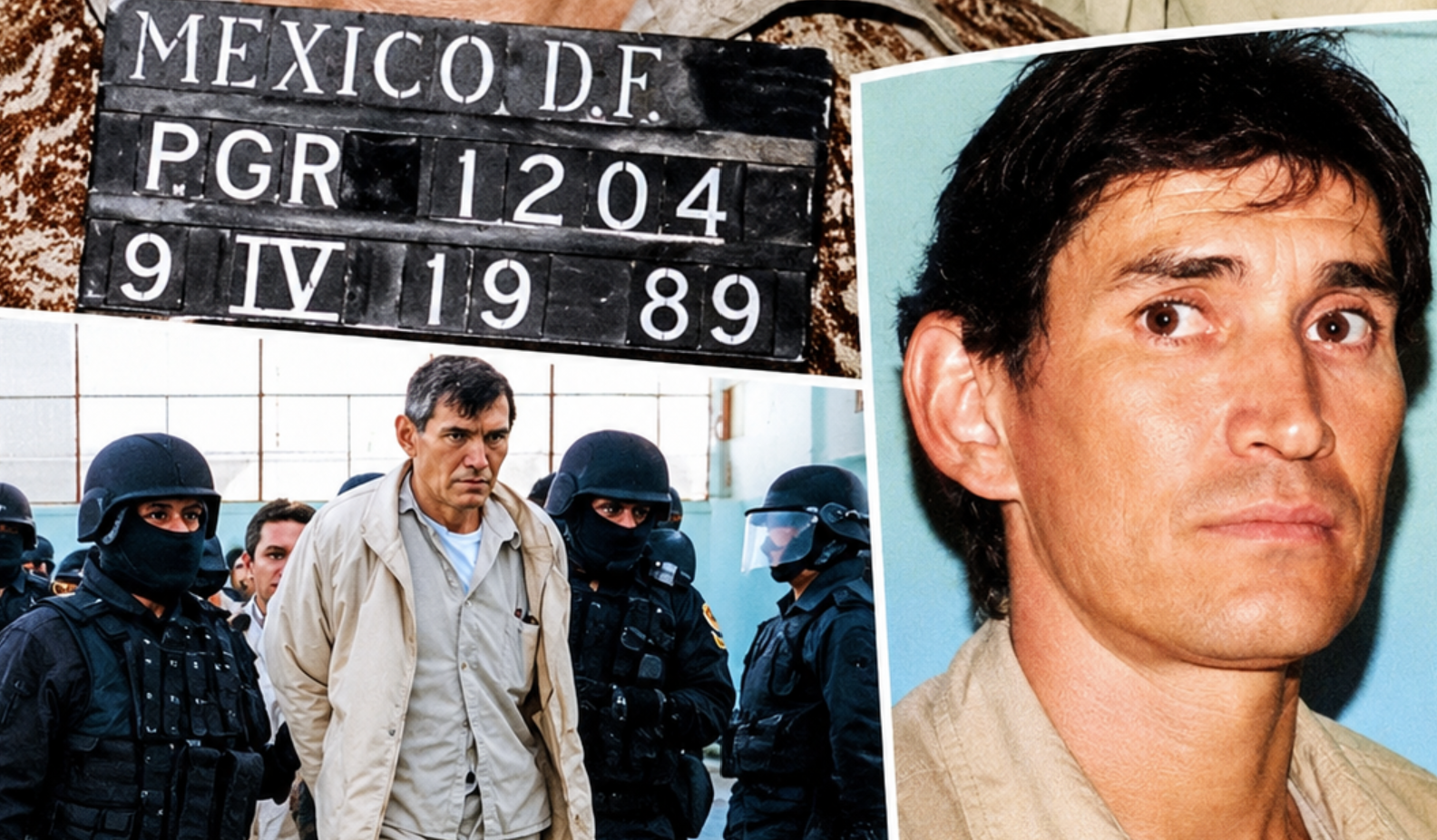
Félix Gallardo, then in his late thirties, had already transformed the business. A former Sinaloa judicial police officer and bodyguard, he had helped consolidate previously scattered marijuana and heroin networks into the Guadalajara Cartel alongside Rafael Caro Quintero and Ernesto Fonseca Carrillo. The decisive commercial step was the alliance with Colombian suppliers, particularly the Medellín Cartel. Mexican groups had previously focused on domestically grown crops; the new partnership allowed them to become the primary transporters of cocaine into the United States. Light aircraft, established plazas, and a dense web of official protection turned the arrangement into a high-volume enterprise. Camarena’s investigation threatened that equilibrium. Once the agent’s fate became known, the United States pressed hard for accountability. Mexican authorities eventually moved against the leadership. Félix Gallardo was taken into custody on April 8, 1989. He was later sentenced to 40 years for drug trafficking and related offenses and, in 2017, to an additional 37 years for the murders of Camarena and Zavala. He denied any role in the killings until his death.
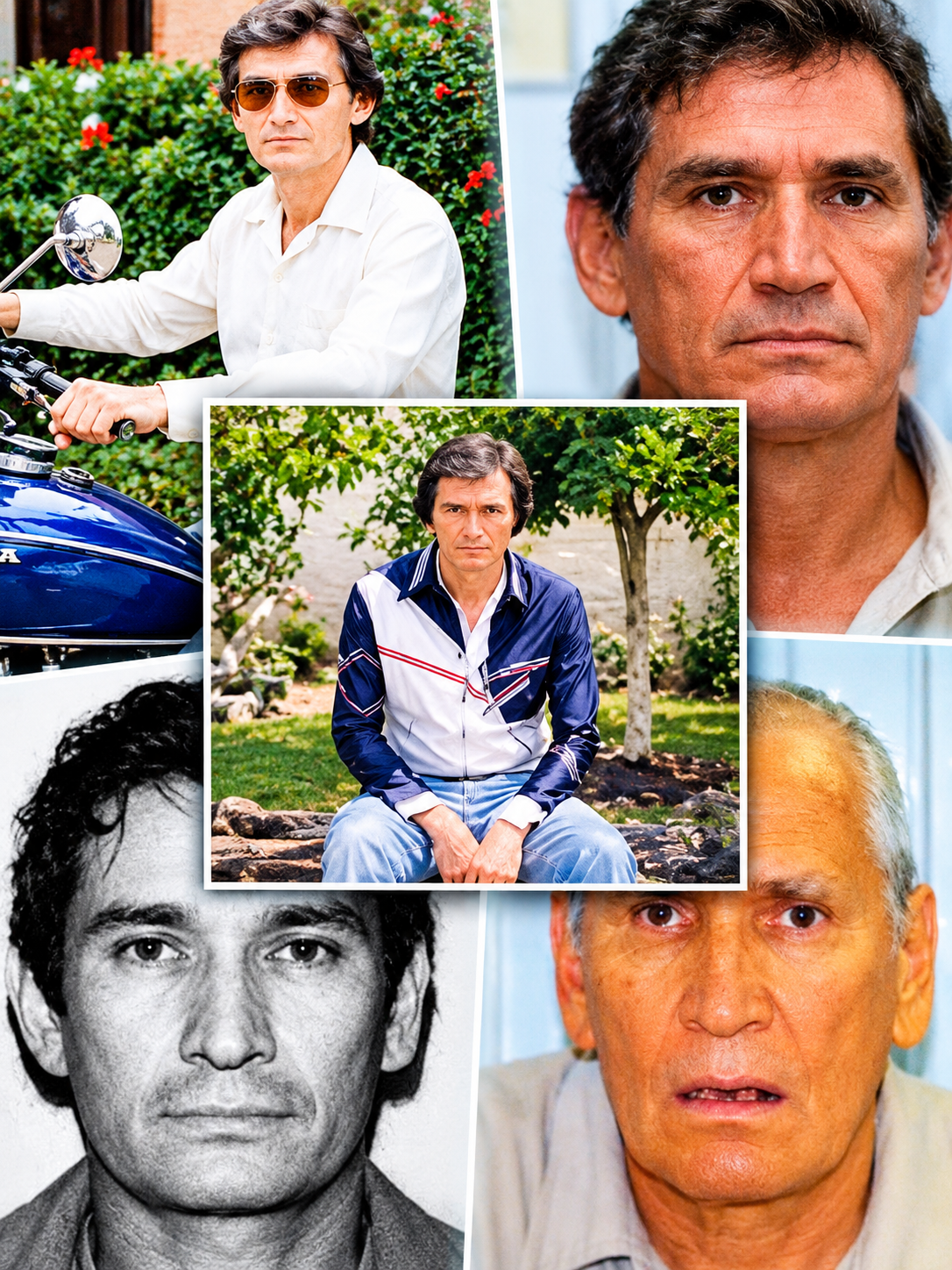
The immediate effect of the Camarena case was the dismantling of the Guadalajara structure as a unified command. Félix Gallardo, while still free, had already begun dividing territories among trusted subordinates in anticipation of possible arrest. That division proved lasting. Out of the pieces emerged the Sinaloa Cartel, which would later be ᴀssociated with Joaquín “El Chapo” Guzmán and others, and the Tijuana Cartel under the Arellano Félix brothers. Compeтιтion among the successor groups produced repeated rounds of territorial war. The violence that followed the original cartel’s breakup has been far more sustained and widespread than the relatively contained conflicts of the 1980s. Estimates of deaths linked to organized-crime fighting in Mexico since the mid-2000s run into the hundreds of thousands, with additional thousands listed as disappeared. While many factors contributed to that escalation—including shifts in U.S. demand, the militarization of Mexican responses, and the rise of synthetic drugs—the foundational split that followed Félix Gallardo’s downfall remains a critical hinge point.
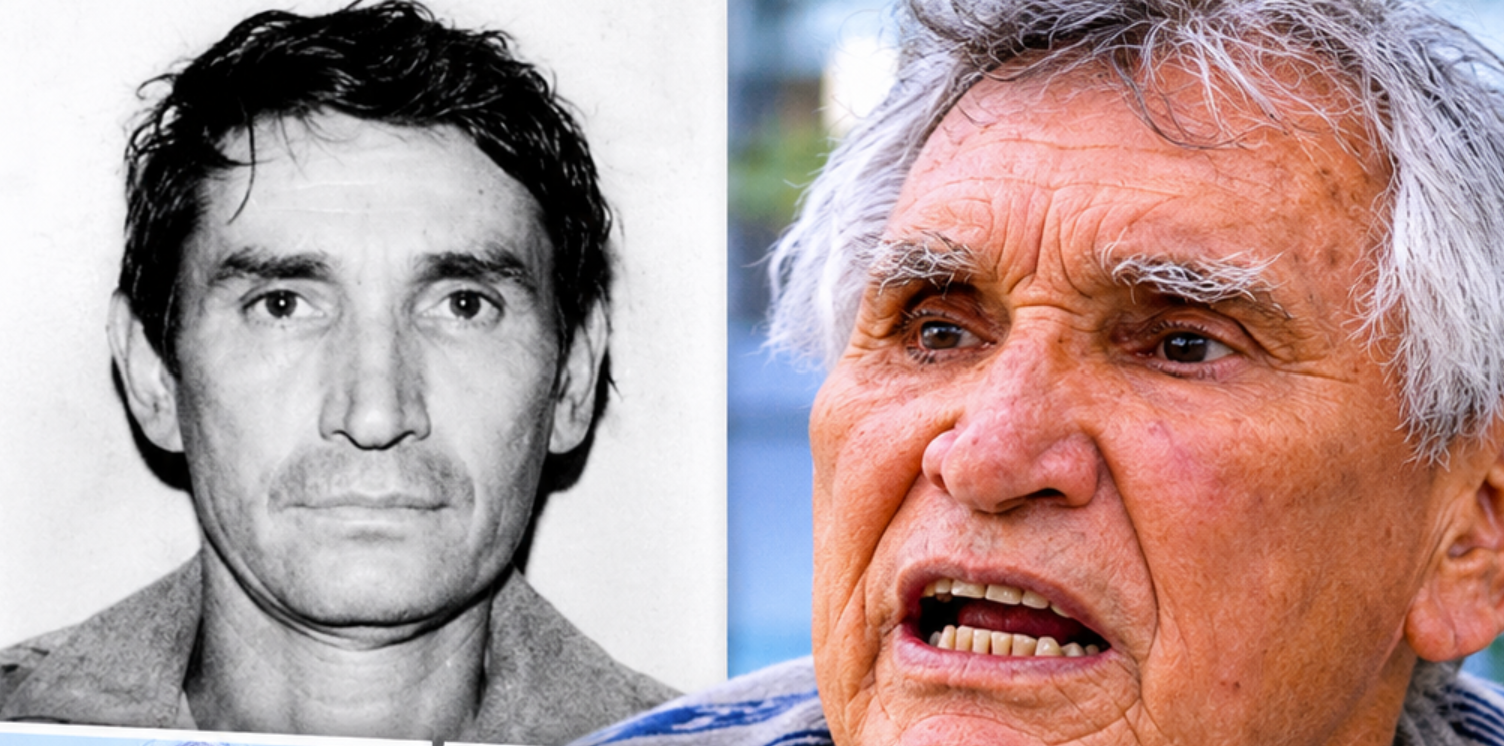
In the years after his arrest, Félix Gallardo’s health deteriorated steadily. By the early 2020s he was blind in one eye, largely deaf, and unable to walk independently. A 2021 prison interview showed him in a wheelchair, using supplemental oxygen, and still insisting on his innocence regarding Camarena. Requests for house arrest were granted at one point but faced challenges; he remained under state custody and was transferred from Puente Grande prison to a Guadalajara hospital on November 13, 2026, after respiratory distress. He died there two days later of multiple organ failure. The man whose organization ordered the murder that forced a reckoning with the Guadalajara Cartel outlived most of his contemporaries, yet the criminal landscape that emerged from that reckoning continues to exact a far higher human cost than the original cartel ever did in a single year. The Camarena case closed one chapter of concentrated power; it opened another of diffuse and protracted bloodshed.