AIDEN FUCCI CASE UPDATE: Florida Court’s Appeal Ruling Keeps the Life Sentence in Place as the Case Continues to Draw National Attention!hl

The life sentence imposed on Aiden Fucci remains in place after Florida’s Fifth District Court of Appeal upheld the sentence in its February 28, 2025, ruling. The decision marked a significant setback for Fucci’s appeal and left the central punishment unchanged in the 2021 killing of 13-year-old Tristyn Bailey.
Although the court did reverse one portion of the judgment, the correction concerned a public defender application fee — not the murder conviction or life sentence. The distinction is important: the appellate ruling did not overturn Fucci’s conviction, order a new trial, or reduce his prison term.

What the appeals court actually decided
In its written opinion, the court reviewed Fucci’s appeal under the Anders procedure, which applies when appointed appellate counsel concludes that an appeal lacks a meritorious legal issue and the court independently reviews the record.
The judges affirmed the sentence in all substantive respects but ordered the trial court to correct the public defender application fee from $100 to the legally required $50.
The ruling matters because it draws a clear line between a technical sentencing correction and a legal basis for overturning a conviction. Fucci received the former; he did not receive the latter.
Read the official Fifth District Court of Appeal opinion.

The crime that shocked a Florida community
The case began on Mother’s Day weekend in May 2021, when Tristyn Bailey was reported missing in St. Johns County, Florida. Her body was later discovered in a wooded area near the neighborhood where she and Fucci lived.
Fucci was 14 at the time. In February 2023, he pleaded guilty to first-degree murder shortly before jury selection was due to begin. The investigation and sentencing proceedings documented the severity of the attack, including more than 100 stab wounds and 49 defensive wounds.
In March 2023, a judge sentenced Fucci to life imprisonment. During sentencing, the court considered evidence about the circumstances of the killing, expert testimony and statements from Bailey’s relatives, friends and members of the community.
Because Fucci was a juvenile when the crime occurred, Florida law provides for a review of his life sentence after 25 years. That review provision does not mean automatic release; the applicable legal requirements and the circumstances at the time will matter.
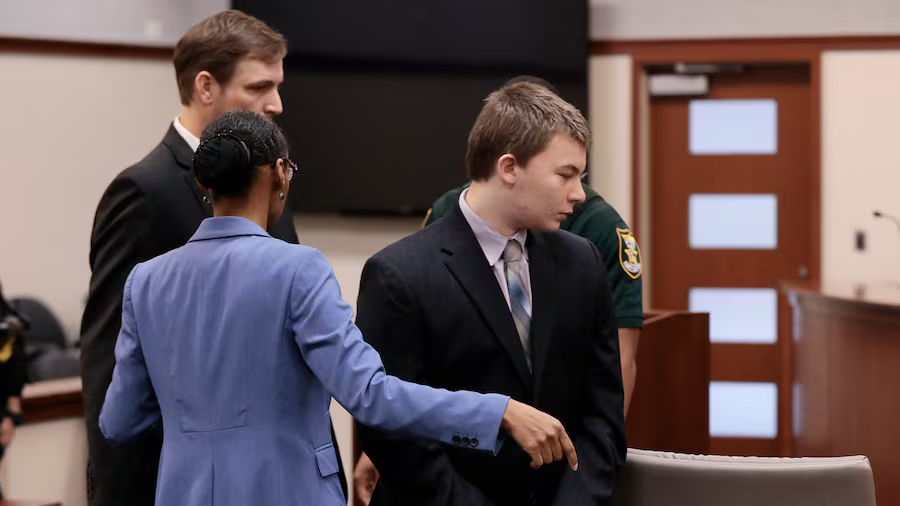
Why the ruling continues to matter
The appeal has attracted attention because it tested whether Fucci could obtain relief from a sentence imposed after his guilty plea. His original sentencing proceedings included a dispute over psychological testimony and the weight given to evidence concerning his behavior and prospects for rehabilitation.
However, the appellate court’s final written ruling must be read carefully. It did not reopen the question of guilt. Instead, it upheld the substantive judgment while requiring a narrow financial correction.
For the Bailey family, the ruling leaves the life sentence intact. For legal observers, it illustrates that appellate review can correct a specific legal error without disturbing the underlying conviction or punishment.
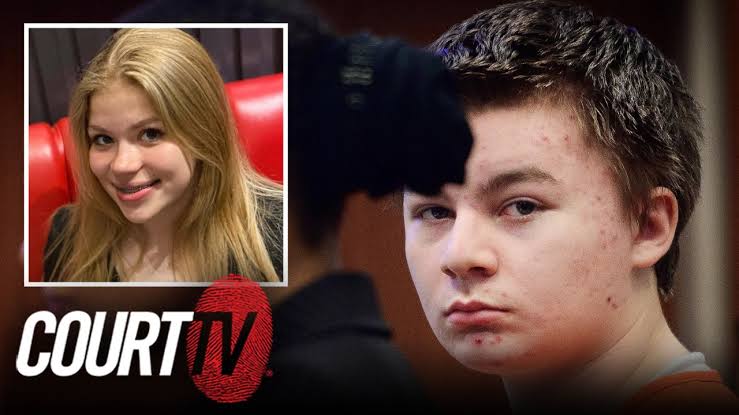
What happens next?
As of October 26, 2026, the latest major appellate ruling I could verify in the available sources is the Fifth District Court of Appeal’s February 28, 2025, decision. I could not verify a newer ruling that overturns the conviction, changes the life sentence or orders a new trial.
Fucci therefore remains subject to the life sentence reported in the appellate record. Any claim of a new appeal, a sentence reduction or a release date should be checked against a subsequent court order or an official Florida Department of Corrections record.
The central legal outcome remains unchanged: the appeal did not erase the conviction or the life sentence, and the court’s correction was limited to the public defender fee.