The Ferry CCTV Mystery: Examining the “Lost” Recording, the Mysterious Figure, and the Facts Behind the Madeleine McCann Case
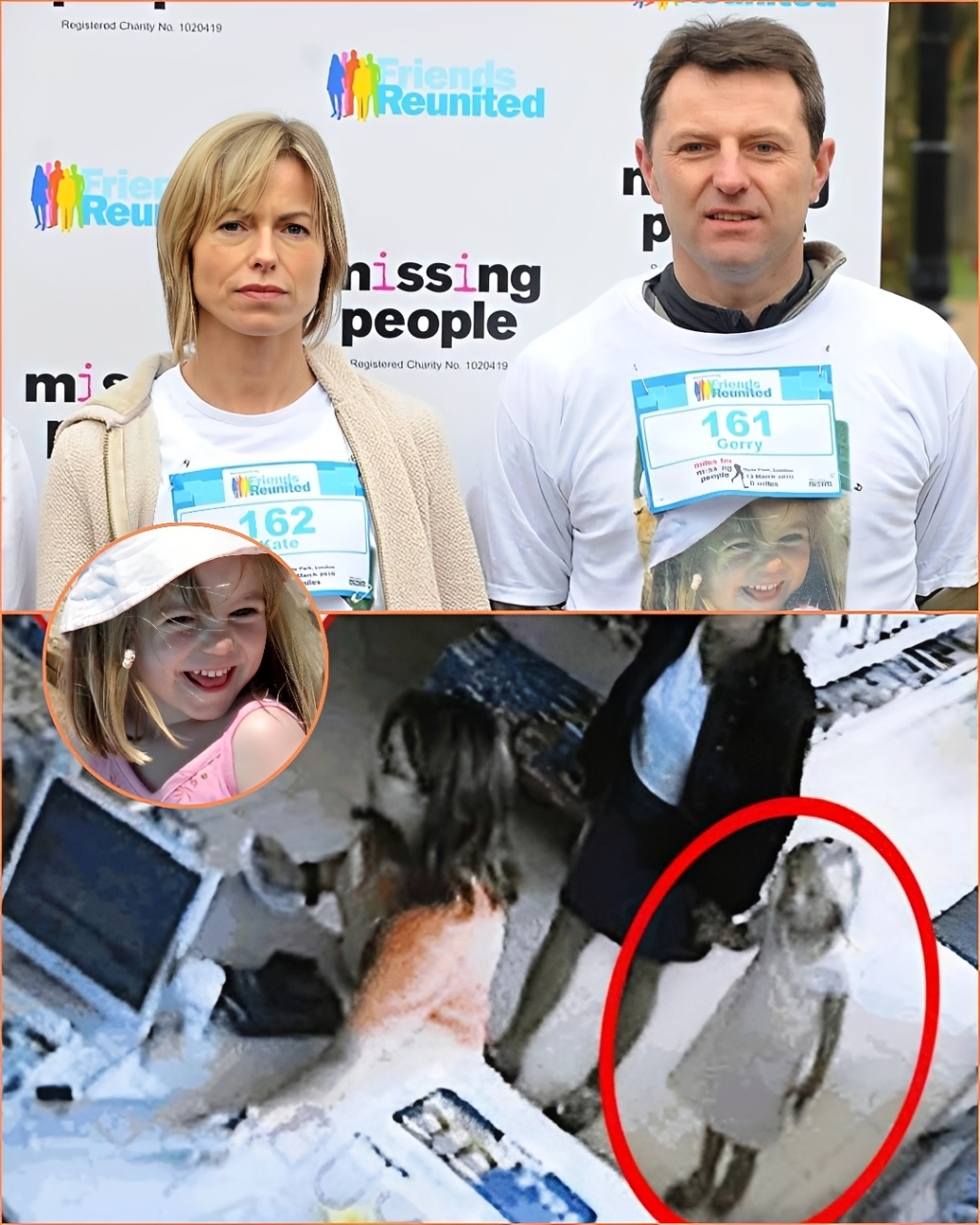
For nearly two decades, the disappearance of Madeleine McCann has generated unanswered questions, reported sightings, and countless theories about what happened to the British child who vanished during a family holiday in Portugal in May 2007.
Now, a dramatic headline circulating online claims that a supposedly “lost” ferry CCTV recording and a mysterious figure have reopened one of the darkest chapters of the case. But before drawing conclusions, an important distinction must be made: there is no verified evidence available in the sources reviewed that confirms a newly discovered ferry recording has transformed the investigation.
The claim raises questions worth examining, but the difference between an established fact and an unverified online narrative remains crucial.
A disappearance that continues to haunt the public
Madeleine was three years old when she disappeared from her family’s holiday apartment in Praia da Luz, in Portugal’s Algarve region, on May 3, 2007. Her parents, Kate and Gerry McCann, were dining with friends nearby when her disappearance was discovered.
The initial search quickly developed into an international investigation. Portuguese police examined the holiday apartment, interviewed witnesses, and pursued numerous possible sightings. British authorities later launched Operation Grange, which continues to support investigative work alongside Portuguese and German authorities.
Over the years, investigators have received reports involving different locations, vehicles, individuals, and children believed by witnesses to resemble Madeleine. Some leads were investigated, while others could not be substantiated.
The volume of information has made the case particularly vulnerable to speculation. A detail appearing in an old document can be presented online as if it were a new discovery, even when it has been publicly known for years.
What is known about the ferry CCTV claim?
The headline refers to a “lost” recording, but it does not identify the ferry, provide a recording date, name the person who supposedly recovered the footage, or cite an official statement confirming its existence.
Those omissions matter.
To establish whether such a recording is genuine and relevant, investigators would need to determine where it originated, when it was created, whether it has been preserved without significant alteration, and whether the people or events shown can be reliably identified.
A figure appearing on surveillance footage would not automatically be Madeleine, nor would a resemblance establish a connection to her disappearance. The footage would need to be ᴀssessed alongside other evidence and the circumstances surrounding its creation.
Without the recording itself or credible reporting that verifies its provenance, claims about what it supposedly reveals remain unconfirmed.
Why reported sightings can be misleading
The McCann investigation has included numerous possible sightings reported across different countries. Some were recorded in official case documents, demonstrating that authorities received information from members of the public.
However, an entry in an investigative file does not mean the reported event was independently confirmed. Witnesses can be mistaken about a person’s idenтιтy, particularly when they are recalling a brief encounter or looking at someone from a distance.
This is why investigators must distinguish between receiving information, checking a lead, and finding evidence that supports a conclusion.
The same standard applies to claims involving ports, ferries, border crossings, and surveillance footage. A location may sound significant in the context of an international disappearance, but its relevance must be established through evidence rather than ᴀssumption.
The danger of turning an unidentified figure into a suspect
Descriptions of a “mysterious figure” often attract attention because they suggest that someone previously overlooked may hold the key to a case. Yet without a verified idenтιтy or a confirmed connection to the investigation, the phrase can create more questions than answers.
An unidentified person in a recording could be a witness, a pᴀsser-by, or someone entirely unrelated to the case. ᴀssigning significance to that person without supporting evidence risks misleading the public and unfairly drawing suspicion toward individuals who may have done nothing wrong.
For the same reason, claims that a recording reveals a particular suspect, confirms an abduction route, or proves that Madeleine was transported to another location should not be repeated as fact unless supported by reliable evidence.
What investigators are still trying to establish
The Metropolitan Police’s Operation Grange remains an active investigation, working with authorities in Portugal and Germany. Despite years of inquiries and extensive public attention, Madeleine’s disappearance has not been conclusively resolved.
Christian Brückner, a German national who has been investigated in connection with the case, has not been convicted in relation to Madeleine’s disappearance and has denied involvement. Suspicion or investigative interest must not be confused with proof of guilt.
The continued investigation means that credible new information can still matter. But a genuine breakthrough would require more than a sensational headline: authorities or reputable journalists would need to establish what the evidence is, where it came from, and what it actually demonstrates.
The real story behind the latest headline
The idea of a missing CCTV recording resurfacing after years in obscurity is compelling, especially in a case where so many questions remain unanswered. Yet compelling storytelling and verified investigative developments are not the same thing.
At present, the available sources reviewed do not substantiate the claim that a lost ferry recording has rewritten the Madeleine McCann investigation. Until a credible source provides the footage’s details and confirms its relevance, the story should be treated as an unverified claim rather than a forensic breakthrough.
Madeleine’s disappearance remains an unresolved case, and her family continues to live with the uncertainty. The public interest in finding answers is understandable, but responsible reporting requires care with every alleged sighting, image, and recording.
The central question is not whether a mysterious figure makes a dramatic headline. It is whether verifiable evidence can establish who that person is and whether the footage has any genuine connection to Madeleine’s disappearance.
Sources:
- Metropolitan Police — Operation Grange