The word on his cheek was not a stunt. He said he had felt that way his whole life.
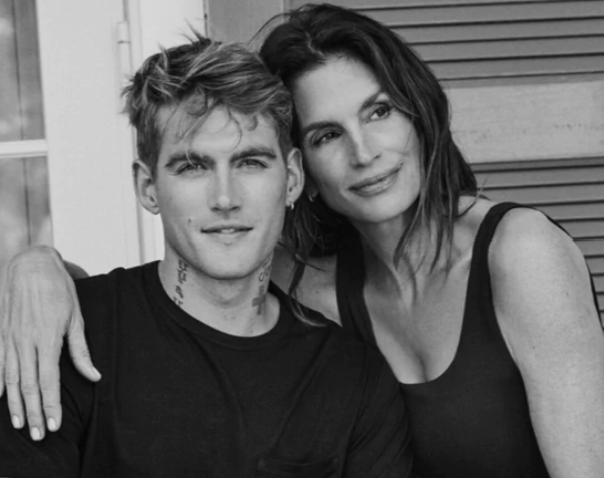
In 2020 Presley Gerber had the word “misunderstood” tattooed in capital letters across his cheek. On an Instagram Live he explained it without ornament. It said misunderstood, he said, because that was how he had felt his entire life. The ink was gone the following year. The sentence was not. When he died on September 20, 2026, at 27, in a Santa Monica recovery house, the tattoo was the image editors reached for, because it was the rare time he had put the private claim where no one could miss it. A model’s face is a commercial surface. He used it as a caption.
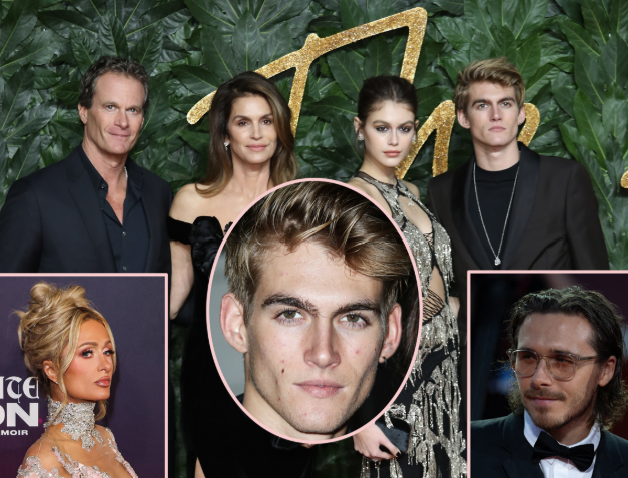
The public record of the feeling is longer than the ink. In 2018 he was arrested on a DUI charge and sentenced to three years’ probation. He later built a series he called Mental Health Mondays, short videos in which he listed medications, crashes, and the attempt to get well. On the Studio 22 podcast in 2023 he said that if he helped one person, or a hundred, out of the place he had been, that would be enough. He talked about mental health as a 24-hour job. From 2023 onward he posted dozens of videos about drug history, depression and the search for a fix. The New York Times, writing the day after his death, described a young model who had spoken candidly about substance abuse and mental health after a career that began at IMG at 15. The diary was voluntary. That does not make it a cure. It makes it a record.

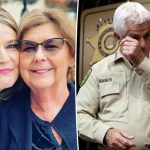
His sister treated that openness as a family event, not a branding exercise. In a Vogue interview published in September 2026, Kaia Gerber said their parents had been very private for most of their lives, and that her brother had become “this absolute teacher” who chose to be “very human for everyone.” She added that there is only so much you can hide, and that trying to put a lid on something makes the person feel you are ashamed of them. She also said that when addiction enters a family, it levels everyone. The two of them had already written the bond on skin. He wore “Kaia XXIII” on his arm. She wore “Prez” and, elsewhere, 1999, his birth year. The tattoos were the private version of the public videos: a claim that they were not going to pretend the other one was fine.
The cheek tattoo was the claim strangers argued over. In 2020 plenty of the reaction treated it as a provocation, a child of celebrities marking himself for attention. He said the opposite. He said the feeling predated the fame, the campaigns, the Moschino debut, the Pepsi spot. By 2021 the letters had been removed and the argument had moved on. Six years later the argument looks different, not because a tattoo predicts a death, but because he kept describing the same interior after the ink was gone. Mental Health Mondays did not save him. A podcast sentence did not save him. Being believed, late, is not the same as being reached in time. The word on the cheek asked to be read. Most people stared. The videos asked the same thing at lower volume, for years, and then the voice stopped on a Sunday morning in a house on Berkeley Street.