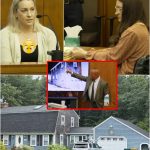
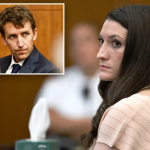
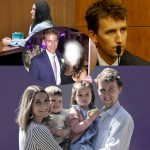
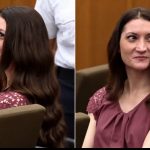
He said the room would not let him finish. Eleven people say he already had the doubt that should have ended it.
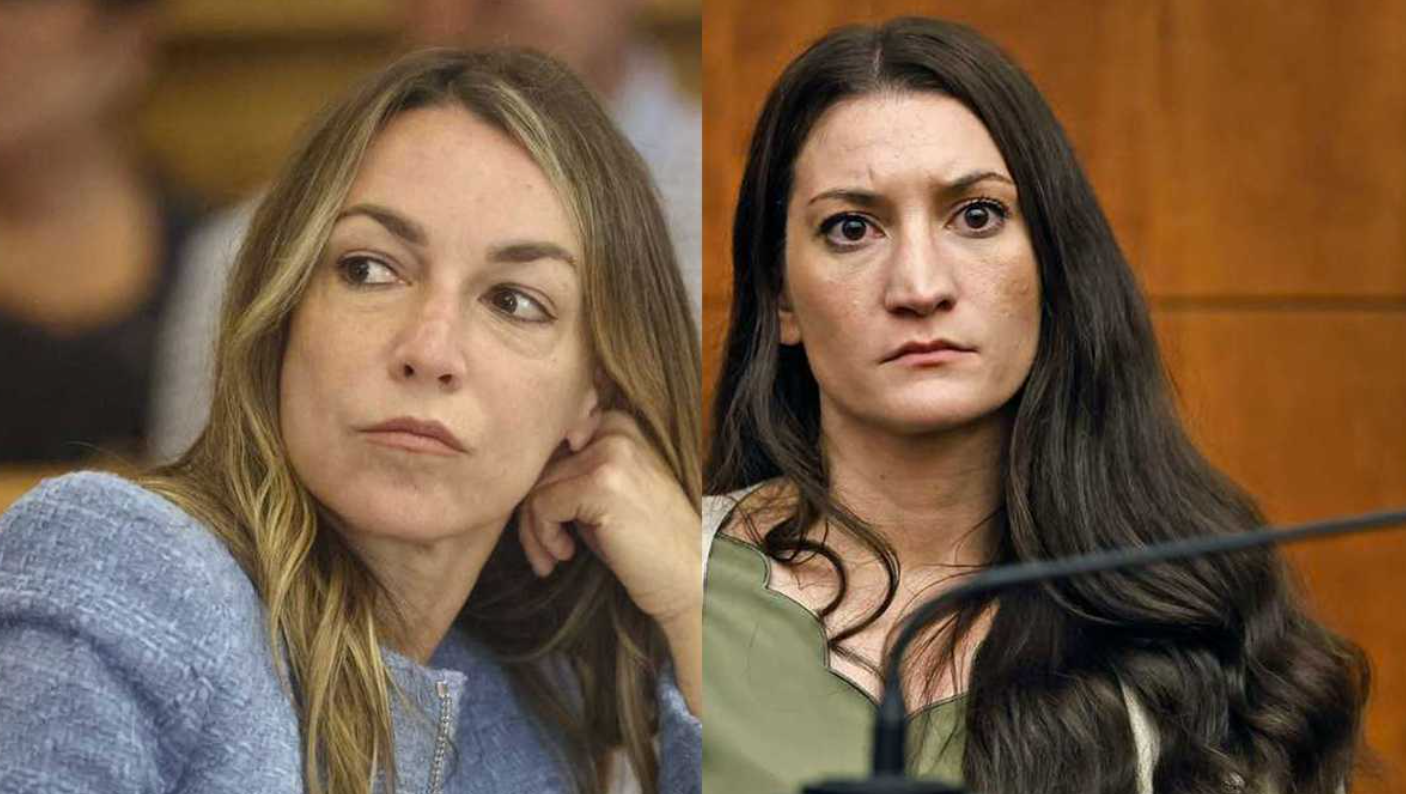
For seven days in Plymouth Superior Court, twelve people sat with the same exhibits, the same instructions, and the same three names, and came out holding two accounts that cannot both be true. On one side is Michael Péguy Desronvil, 48, the only juror who would not vote to find Lindsay Clancy not criminally responsible for the January 24, 2023, deaths of her children, Cora, 5, Dawson, 3, and Callan, 8 months, at the family’s home in Duxbury. In a statement released through his lawyer on September 18, he said he did not have any doubts. He said that when he tried to lay out other theories, the rest of the panel cut him off, as if the act of arguing meant he was unsure. Based on the physical evidence, the key witnesses, and what the prosecution put in front of them, he said, there was enough proof that she knew what she was doing and planned it. On the other side is nearly the entire jury. Eleven jurors were prepared to say she was not criminally responsible. Several of them have said, in public, that the holdout did not merely disagree. They say he acknowledged reasonable doubt and still would not apply the instruction that doubt requires.
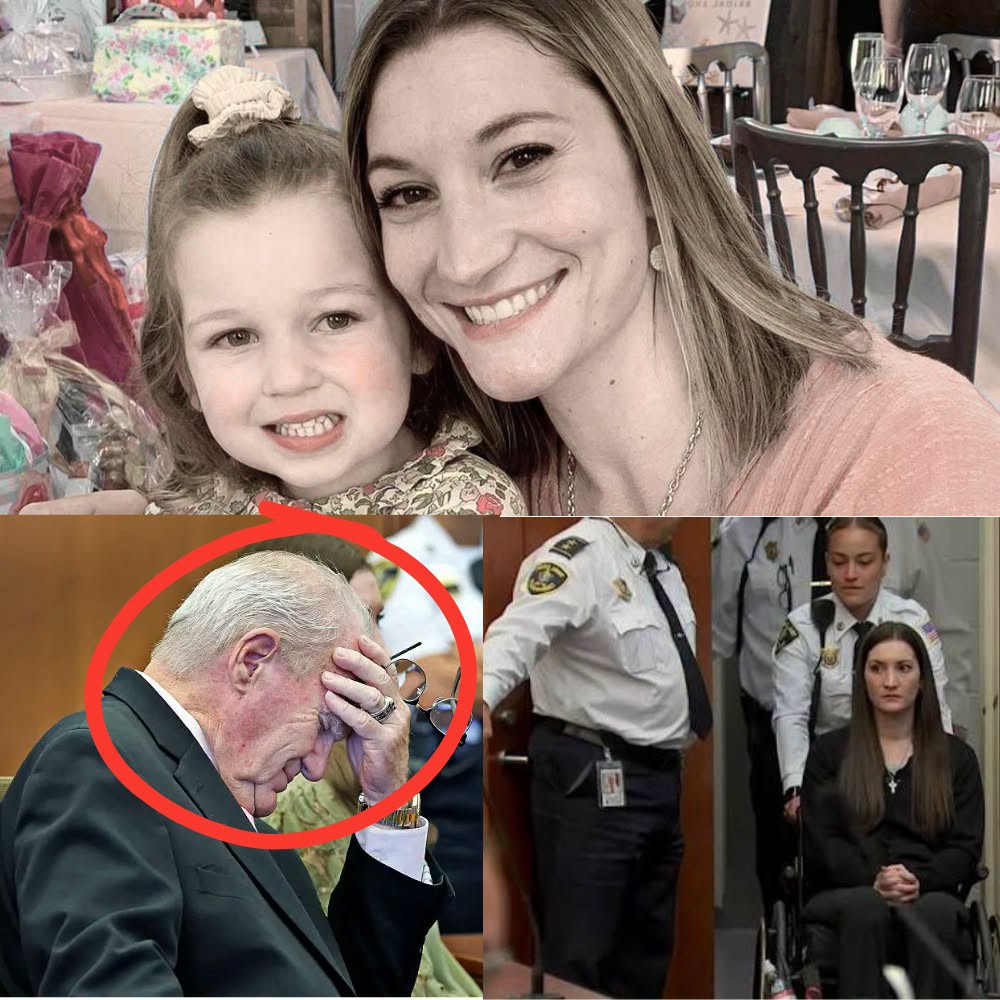
That is not a quarrel about tone. In a criminal trial the instruction on reasonable doubt is the job. If a juror never has it, holding out is not misconduct. It is the reason unanimous verdicts exist. If a juror has it and keeps a guilty vote anyway, the foreperson’s note to the judge is no longer a complaint about a stubborn colleague. It is an allegation that the law was refused inside the room. The foreperson sent Judge William Sullivan word that one juror would not follow the court’s direction on that standard. Other jurors have said the split hardened at 11 to 1, that days were spent trying to move the last vote, and that explanations were thin. Desronvil’s answer is that they heard doubt because they would not let him finish a sentence. His lawyer, Edward Paltzik, went further in a Fox News interview at the end of September. Zero doubt, he said. No doubt. A mountain of evidence. A family member, speaking to The Enterprise, used almost the same words the juror had used: he never doubted. Paltzik has since called every allegation against his client false, fabricated, and something that never happened.
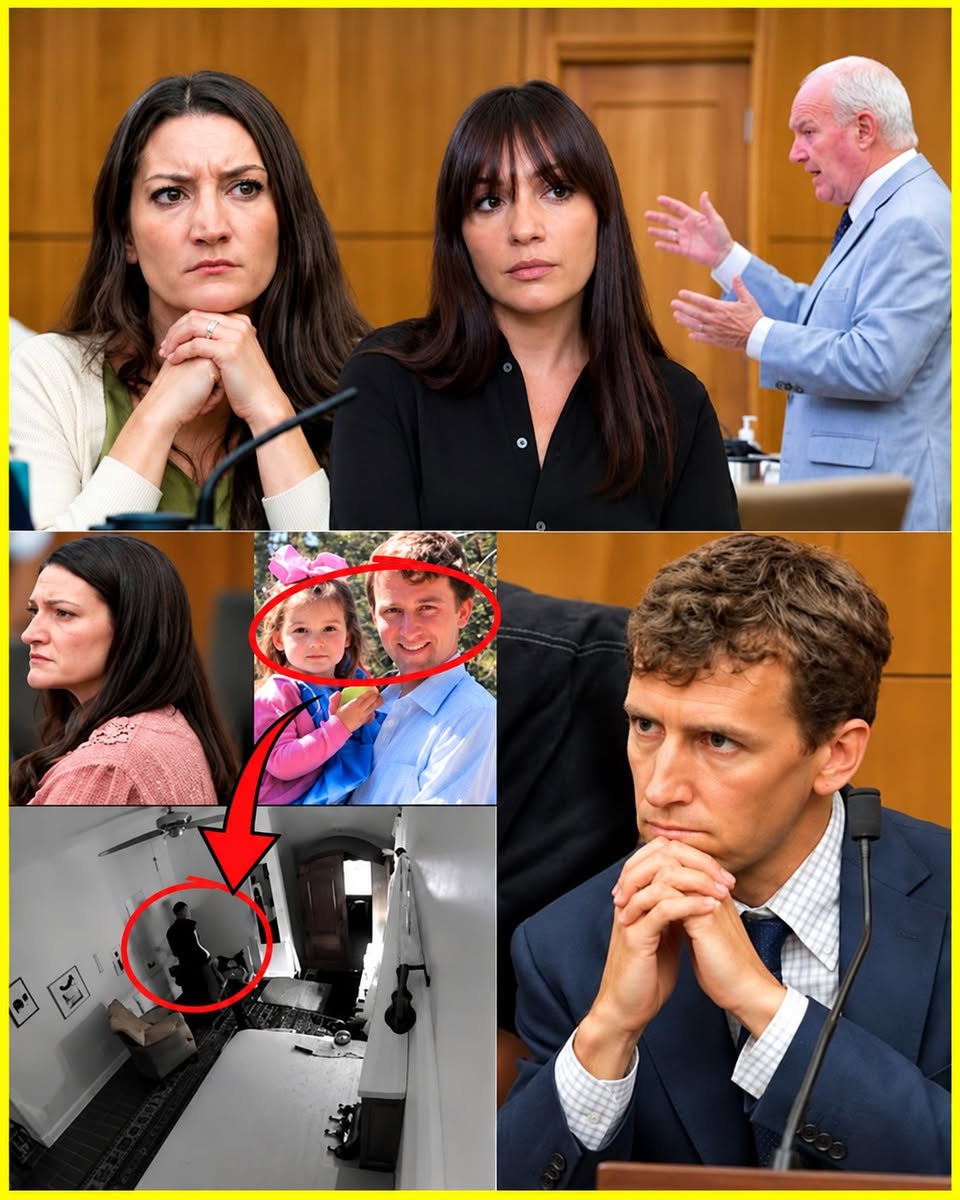
The calendar makes the clash sharper. Testimony had already run for weeks in a trial that drew national attention because Clancy, a former labor and delivery nurse, did not deny the killings and instead asked the jury to find that postpartum mental illness had stripped her of criminal responsibility. Deliberations ran about 38 hours across seven days. The jury told the court more than once that it was stuck. Sullivan did what Mᴀssachusetts judges do when a panel reports an impᴀsse. He gave the Tuey-Rodriguez instruction and sent them back to try again. By September 4 the note about a single juror was on the bench, the panel was still not unanimous, and the judge declared a mistrial. Clancy’s lawyer, Kevin Reddington, had already described the holdout as intractable and argued that the difference between doubt and reasonable doubt was being ignored. He asked the judge to question the juror further or remove him. Sullivan declined, saying it was not proper for him to side with one account of the deliberations over the other. An emergency appeal to the state’s highest court did not change that. None of the competing versions has been tested the way a courtroom tests things. The eleven have not been cross-examined about what they remember. Desronvil has not been put under oath about what he meant. What the public has is a statement, a set of interviews, a note, and a ᴅᴇᴀᴅlock.
The interviews from the majority side are specific enough to keep the argument alive. Foreperson Ronni Carlson told local television that she had already started filling out verdict forms when the holdout, by her account, conceded doubt and then said he still would not vote not guilty by reason of insanity. Juror Paula Devlin told CBS Mornings that the holdout was a Black man and the only person on the panel who was not white, a fact that later became part of Desronvil’s own explanation for the heat he faced. Juror Nick Dargie told ABC’s Good Morning America that he was shocked when the holdout picked up one of the exercise bands used in the killings and tied it around an empty water bottle. “It’s not a game of Clue,” Dargie said. “It’s serious.” Two jurors said he scrolled on his phone instead of discussing the case. Others called him arrogant and said he would not cite evidence. Desronvil’s camp answers that the room decided early, treated disagreement as confusion, and then told the press that a man who wanted to convict had confessed a doubt he did not have. In a later video statement aired on Fox, he asked the country to put the focus back on the three children rather than on him.
Mᴀssachusetts does not let a jury convict, or clear, on a hunch that feels moral. It asks whether the Commonwealth proved, beyond a reasonable doubt, that the accused still had the capacity the law requires. A juror who believes that proof was there is enтιтled to say no to an insanity verdict. A juror who believes the proof failed is not enтιтled to say no anyway. Until someone with a robe sorts those two sentences, the room remains a rumor with a body count attached, and the only official result is that there is still no result. The next date on the file is November 2, when Judge Sullivan is set to hear the defense argument that the mistrial itself should never have been declared, and the separate request that the holdout’s phone, questionnaire, and oath be examined. Until then, both stories remain usable, and neither has been proved.