A STRANGE NEW DETAIL EMERGES IN THE LINDSAY CLANCY CASE — AND THE QUESTION BEHIND IT IS NOW AT THE CENTER OF THE LEGAL FIGHT
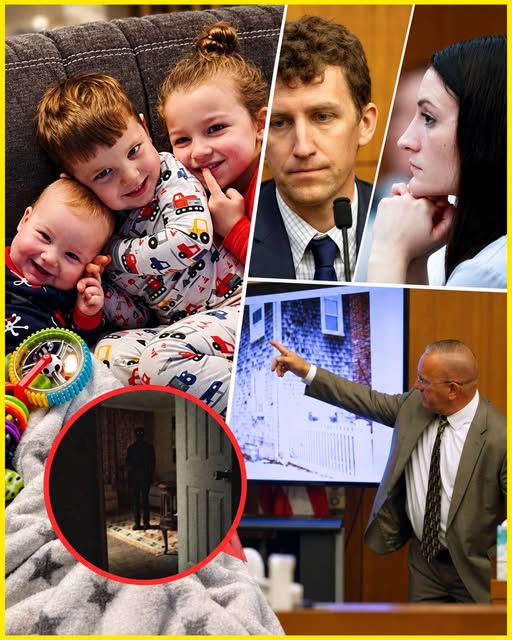
The Lindsay Clancy case has taken another unexpected turn following the collapse of her highly publicized trial.
After more than a week of deliberations ended without a unanimous verdict, Clancy’s defense team is now asking the court to investigate the conduct of the lone juror who prevented the panel from reaching a decision.
The new development has raised fresh questions about what happened inside the jury room — and whether the mistrial could have been avoided.
THE 11-TO-1 ᴅᴇᴀᴅLOCK
Clancy’s six-week trial ended in a mistrial on September 4 after jurors failed to reach a unanimous verdict.
According to reports from jurors, the panel was divided 11 to 1. Eleven jurors supported finding Clancy not criminally responsible, while juror Michael P. Desronvil maintained that the prosecution had established criminal responsibility.
The disagreement became increasingly significant as deliberations continued.
The jury ultimately could not reach the unanimous decision required for a verdict, leaving the case unresolved.
NOW THE DEFENSE WANTS THE JUROR INVESTIGATED
Clancy’s attorney Kevin Reddington has filed a motion asking Judge William Sullivan to investigate allegations concerning Desronvil’s conduct during deliberations.
The motion raises questions about whether the juror may have used a cellphone during deliberations and whether information provided during the jury-selection process was accurate. The defense is seeking records that could potentially clarify what happened.
These are allegations raised by the defense, not established findings by the court.
Desronvil has defended his decision and said he believed the evidence supported his position.
WHY THIS COULD MATTER
The new dispute is important because Clancy’s trial did not end with an acquittal or conviction. It ended without a verdict.
Her defense is now pursuing a separate legal argument that a retrial should be barred under double-jeopardy principles.
Reddington has said he intends to ask the court to dismiss the case, arguing that there was not sufficient legal necessity for the mistrial and that further examination of the jury dispute could have changed what happened on September 4.
Prosecutors, meanwhile, have not announced whether they will seek a new trial.
SEPTEMBER 29 COULD BRING THE NEXT MAJOR DEVELOPMENT
A status hearing is scheduled for September 29.
That hearing could become an important moment in determining what happens next, including the defense’s request to dismiss the case and the prosecution’s position on a possible retrial.
For now, there is no final verdict in the criminal case.
The unusual jury dispute has simply added another layer to a case that has already involved intense courtroom debate over mental illness, criminal responsibility and the evidence presented during the trial.
THE CASE REMAINS UNRESOLVED
The mistrial means the original jury did not reach the unanimous decision required to resolve the charges.
The defense is now challenging what happened during deliberations, while prosecutors have yet to announce their next step.
That leaves one central question hanging over the case: will the court allow the prosecution to try the case again, or will the defense succeed in having the charges dismissed?
The answer may begin to emerge at the September 29 hearing.
SOURCE: ᴀssociated Press; CBS News; ABC News.