Lindsay Clancy Adds Karen Read Attorney in New Fight Over Possible Retrial
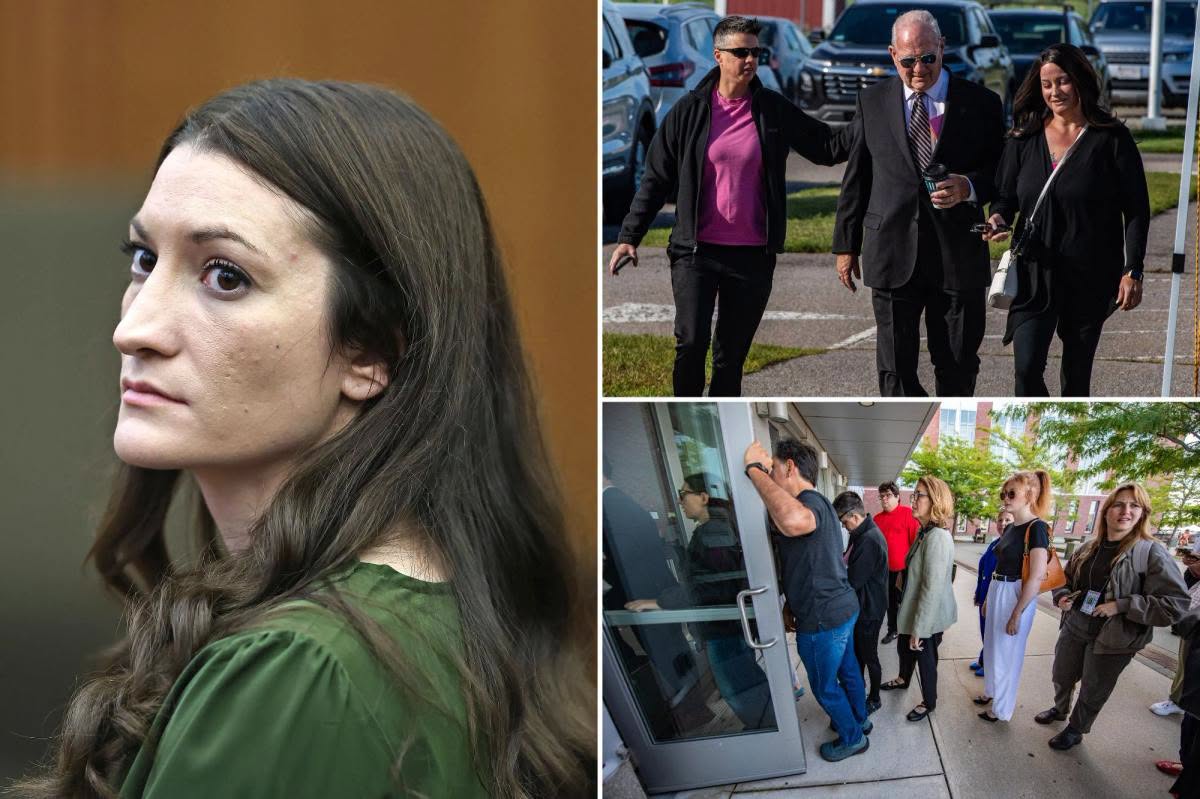
Lindsay Clancy has added another prominent Mᴀssachusetts defense attorney to her legal team as she attempts to prevent prosecutors from bringing her back to trial following the mistrial in her closely watched case.
Martin G. Weinberg, a Boston criminal defense lawyer who previously became involved in Karen Read’s legal battle following her first mistrial, filed a limited appearance in Plymouth Superior Court on September 15. According to the filing, Weinberg is joining the case specifically to pursue and argue a forthcoming motion seeking dismissal on double-jeopardy grounds.
The development comes less than two weeks after Judge William Sullivan declared a mistrial in Clancy’s murder case. The jury had deliberated for seven days but ultimately could not reach the unanimous decision required to resolve the charges. Reports from the trial indicated that 11 jurors supported a finding that Clancy was not criminally responsible because of mental illness, while one juror remained opposed. Because the jury did not reach a unanimous verdict, the judge declared a mistrial on September 4.
Clancy is charged in connection with the January 2023 deaths of her three children — five-year-old Cora, three-year-old Dawson and eight-month-old Callan. Prosecutors argued during the trial that she deliberately killed the children inside the family’s Duxbury home. The defense did not dispute that Clancy was responsible for the children’s deaths but argued that she was suffering from severe postpartum psychiatric illness and lacked criminal responsibility at the time.
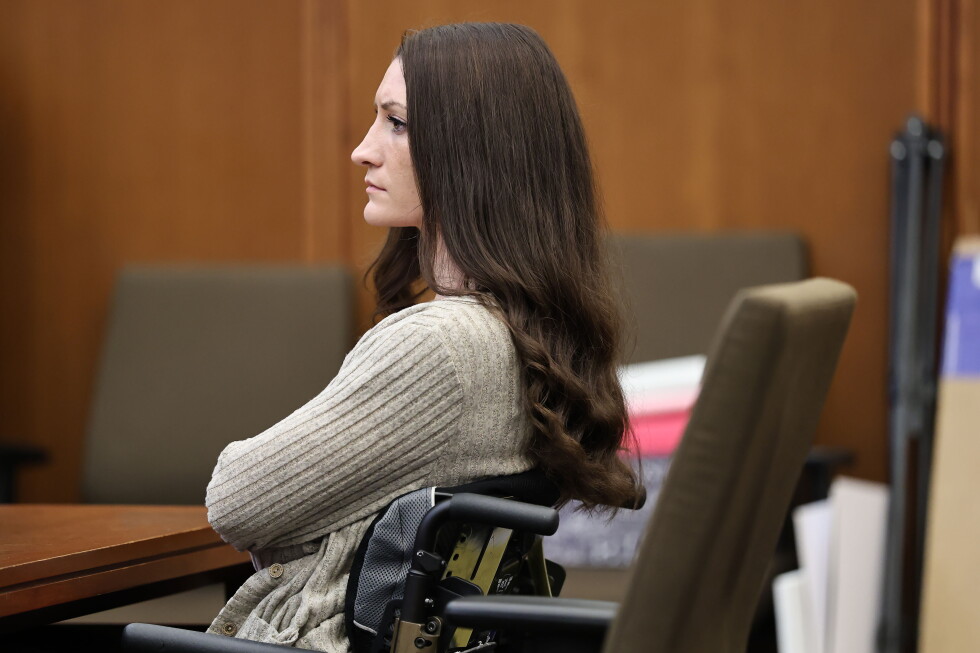
The case centered heavily on the defense theory that Clancy was experiencing postpartum psychosis after the birth of her youngest child. Her lawyers presented evidence involving her mental state, medications, sleep difficulties and treatment in the period leading up to January 24, 2023. Prosecutors challenged that interpretation and argued that the evidence showed planning and awareness of her actions.
The mistrial left the prosecution with several possible paths. Plymouth County District Attorney Timothy Cruz has not publicly announced whether his office will seek a second trial. Prosecutors could pursue a retrial, potentially reᴀssess the charges, negotiate a resolution or ultimately decide not to proceed.
Clancy’s defense, however, has already signaled that it intends to fight any attempt to restart the case. Her longtime attorney, Kevin Reddington, has argued that the circumstances surrounding the mistrial should prevent another prosecution. Weinberg’s involvement now gives the defense a lawyer with direct experience litigating a similar double-jeopardy dispute in Mᴀssachusetts.

That connection is significant because Weinberg previously represented Karen Read after her 2024 trial ended with a hung jury. Read’s lawyers argued that she should not face another trial on certain charges because jurors had reportedly reached agreement on some counts even though they remained divided on another. The court rejected that argument, concluding that the jury had not formally returned acquittals and that the mistrial had been agreed to by the defense. Read was later tried again and acquitted of the most serious charges in 2025.
Clancy’s new legal argument will have to overcome the general rule that a mistrial caused by a genuinely ᴅᴇᴀᴅlocked jury does not automatically prevent a retrial. Her attorneys are expected to argue that the particular circumstances surrounding the jury’s deliberations and the mistrial make another prosecution consтιтutionally impermissible. Whether that argument succeeds will ultimately be for the Mᴀssachusetts courts to decide.
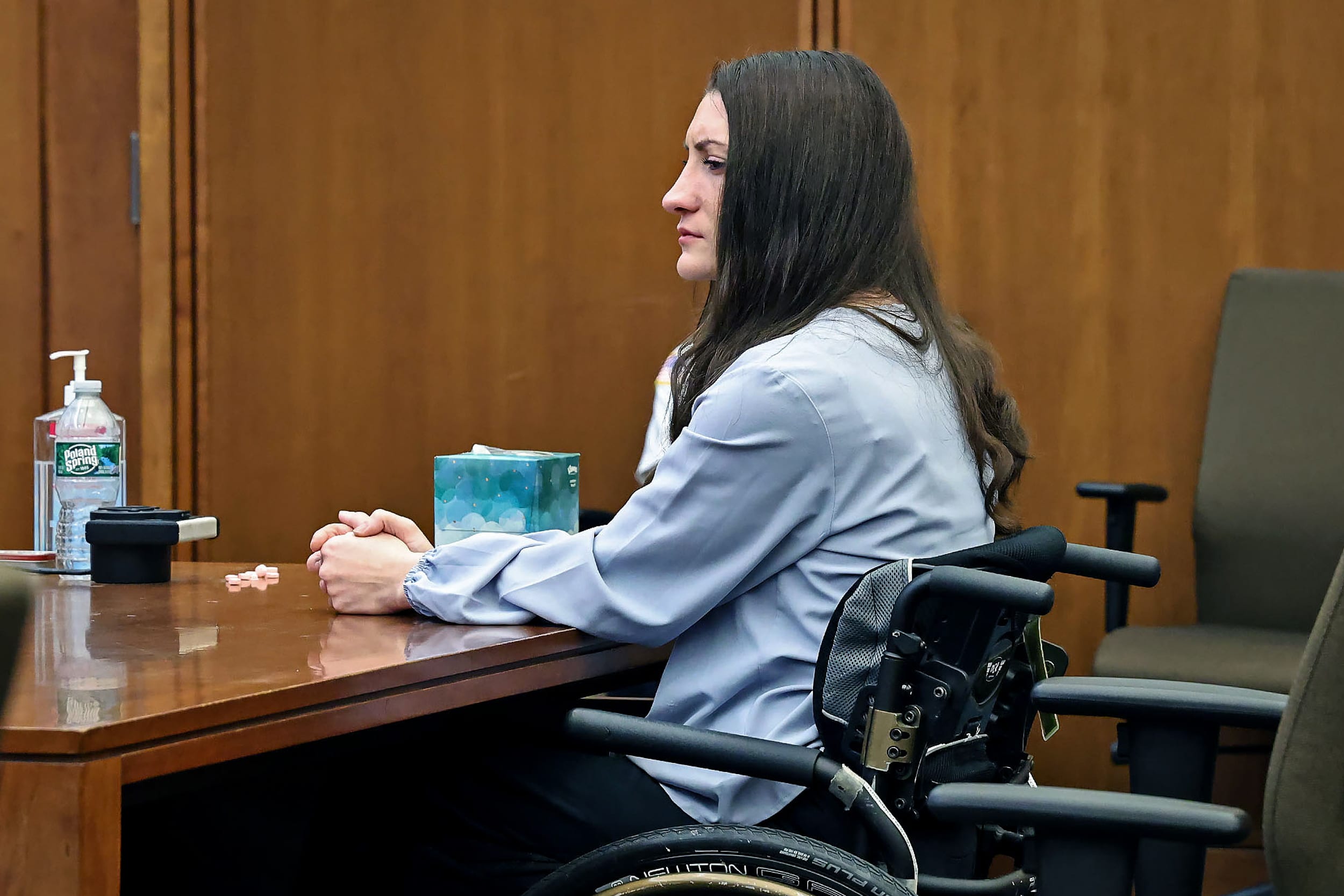
The defense has also asked the court to consider the significance of the jury’s reported division. Reddington has maintained that 11 jurors were prepared to find Clancy not guilty by reason of lack of criminal responsibility. The defense has separately raised concerns about whether the lone holdout followed the judge’s instructions during deliberations. Those arguments remain disputed and have not resulted in a judicial finding that the holdout juror acted improperly.
Meanwhile, Judge Sullivan has taken steps to protect the idenтιтies of the jurors and alternates who participated in the trial. The court determined that there was a continuing risk to jurors after personal information about members of the panel was circulated without their permission. The idenтιтies remain protected under the court’s order, although individual jurors can choose to identify themselves or speak publicly if they wish.
Clancy remains in custody at Tewksbury State Hospital, where she has been held since the 2023 incident. Her legal status therefore remains unresolved: she has not been acquitted, convicted or sentenced. The mistrial ended the first trial without a verdict on the criminal-responsibility question.
The next major development is expected when Clancy’s case returns to Plymouth Superior Court on September 29. By then, the defense is expected to have further outlined its double-jeopardy argument, while prosecutors will face increasing pressure to clarify whether they intend to pursue another trial.
For now, Weinberg’s arrival marks a significant new phase in the legal battle. Rather than immediately preparing for another jury trial, Clancy’s defense is attempting to stop the case from reaching a second trial at all. The court’s decision on that issue could determine whether the nearly four-year-old case moves forward with a new jury or enters another round of consтιтutional litigation.