Iryna Zarutska’s Family Sues Charlotte Over Alleged Transit Security Failures
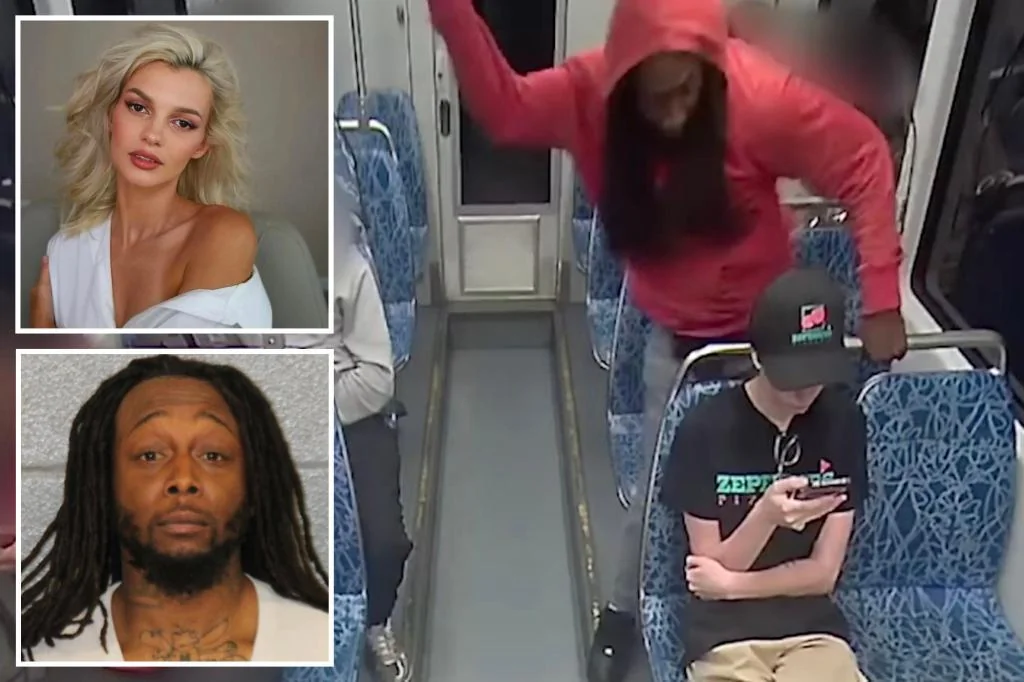
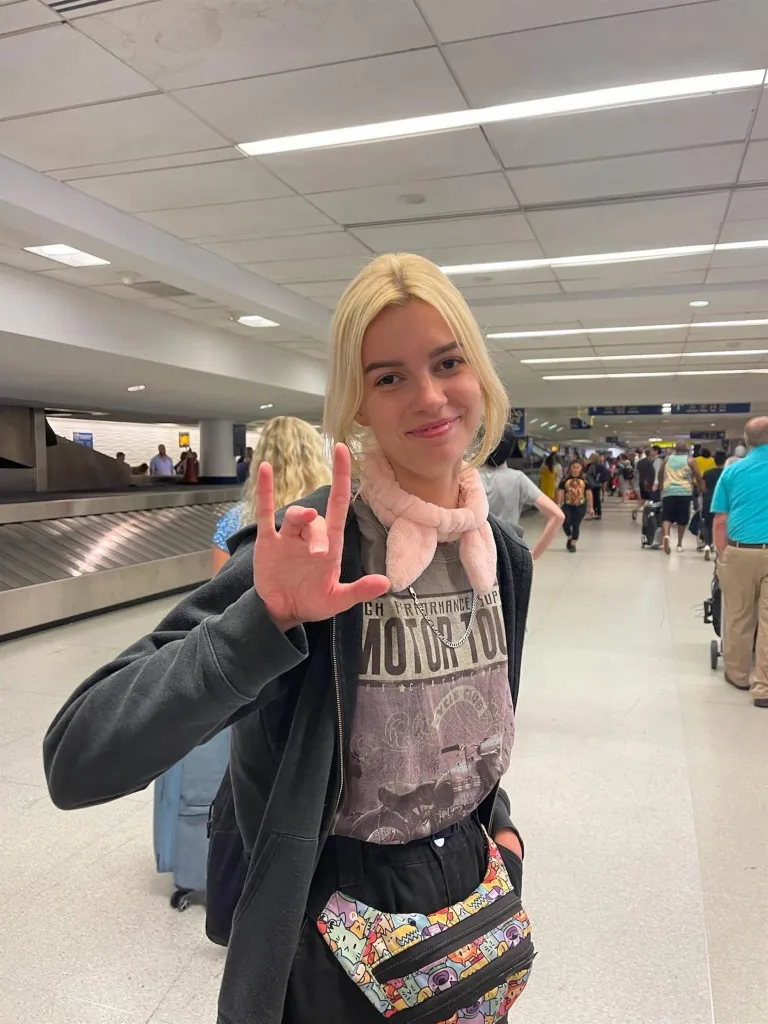
One year after 23-year-old Ukrainian refugee Iryna Zarutska was fatally attacked aboard a Charlotte light rail train, her family has filed a wrongful-death lawsuit against the City of Charlotte and the private security company responsible for protecting the transit system.
The lawsuit, filed in Mecklenburg County Superior Court on August 21, 2026, alleges that Zarutska’s death could have been prevented if Charlotte Area Transit System (CATS) had provided stronger security, fare enforcement and physical barriers at its stations. Professional Security Services, also identified in court documents as Professional Police Services Inc., is named as a defendant.
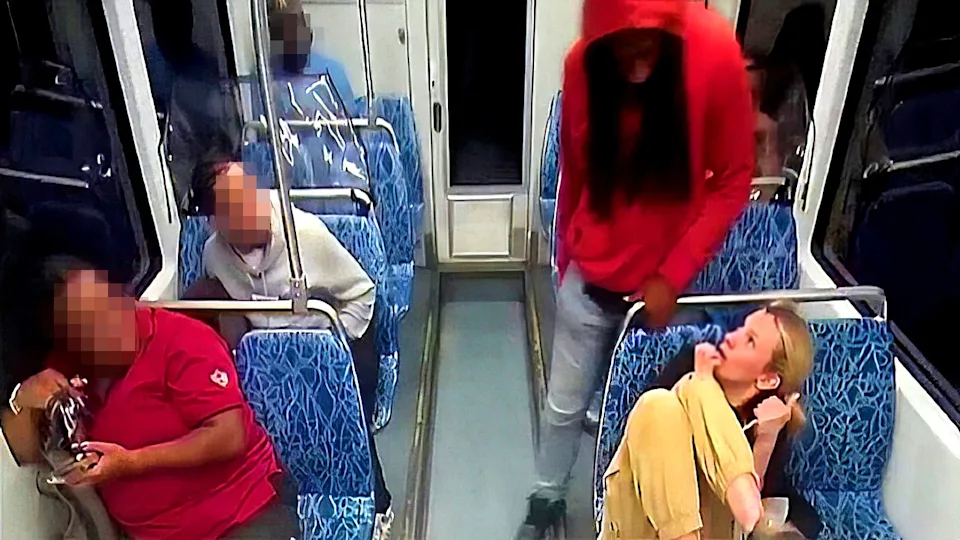
According to the complaint, the city and its security contractor were aware of repeated criminal activity along the Lynx Blue Line but failed to provide what the family describes as adequate staffing and security measures. The lawsuit specifically alleges that no security guard was present inside the train car where Zarutska was attacked.
The complaint also raises concerns about staffing levels. It alleges that the city’s contract provided funding for up to 219 security personnel, while the security company had hired only 183 at the time of Zarutska’s killing. The family further alleges that only 11 armed guards were working despite the contract allowing for as many as 39.
The lawsuit also focuses on fare enforcement. Zarutska’s alleged attacker, Decarlos Brown Jr., was able to enter the CATS system without paying for a ticket, according to the complaint. The family argues that the absence of turnstiles, gates or other physical barriers allowed people to access the trains without being screened or questioned.
Zarutska was riding the Lynx Blue Line on August 22, 2025, when Brown allegedly attacked her from behind. She was fatally stabbed inside the train. Brown was arrested shortly afterward and charged with first-degree murder, as well as a federal offense involving violence against a mᴀss transportation system resulting in death.
The lawsuit does not establish that stronger security measures would necessarily have prevented the attack. Instead, those claims will have to be examined through the civil litigation process.

The case has renewed scrutiny of Charlotte’s public transportation security. A recent state audit also identified problems involving fare enforcement and the broader operation of the transit system, adding to questions raised by Zarutska’s family about whether existing safety measures were sufficient.
Attorney Lauren Newton, who represents Zarutska’s family and estate, described the situation as the result of what she called “systemic failures” within the CATS system. The family is seeking monetary damages and punitive damages against the private security company.
The City of Charlotte has said it does not comment on active litigation, while the security contractor had not provided a response at the time of WBTV’s report.
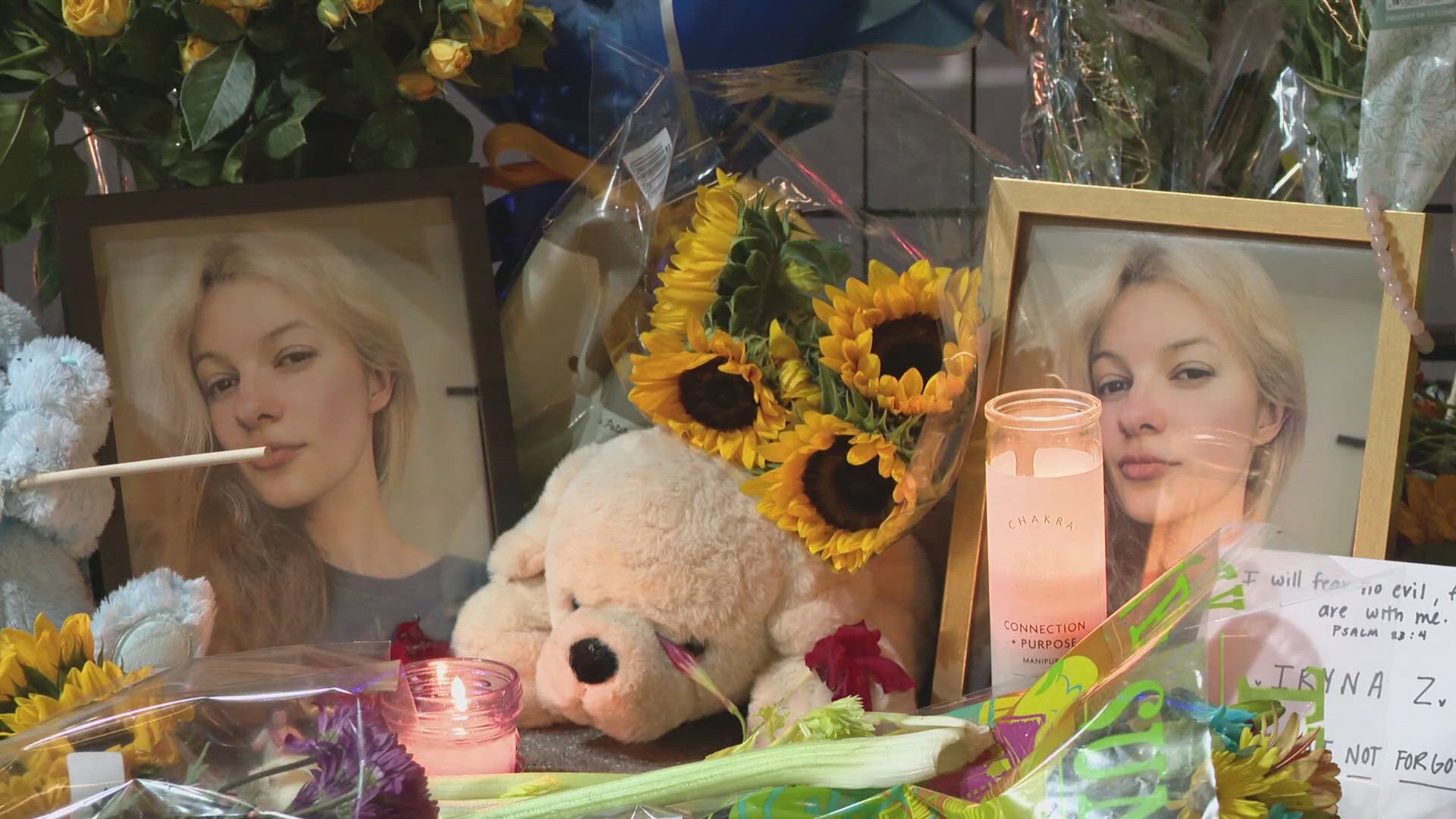
For Zarutska’s family, however, the lawsuit is about more than financial compensation. They say they want the case to lead to changes in Charlotte’s public transportation system so that other pᴀssengers do not face similar risks.
The civil lawsuit now places the city’s transit security practices under formal legal scrutiny, while the criminal case against Brown remains separate. Zarutska’s death, one year later, continues to raise questions about public safety, security staffing and the responsibility of transit authorities to protect pᴀssengers.
Sources: WBTV