The Irish Holiday Representative Whose Testimony Survived the Acquittal and Now Sits at the Centre of the Appeal
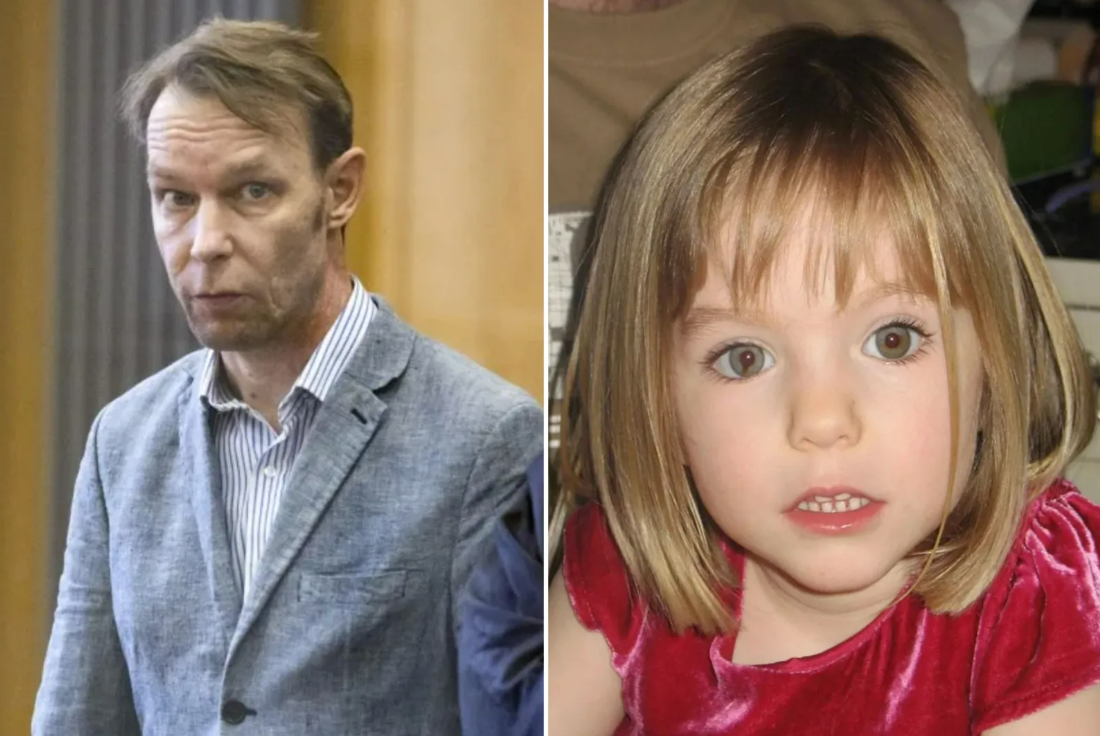
Hazel Behan, an Irish holiday representative, told the Braunschweig court that a masked attacker broke into her home in Portugal in 2004, three years before Madeleine McCann disappeared twenty miles away in Praia da Luz. She later said she recognised Brueckner from pH๏τographs released when German authorities named him in the McCann inquiry, pointing to his eyes. The regional court described her account as serious and still concluded there was not enough proof that he was the man behind the mask: no DNA, no fingerprints, no object tying him to the scene.

Presiding judge Uta Inse Engemann said the bench was not bound by the expectations of the bar-room and that media branding of the defendant as a monster had made some testimony almost unusable. Prosecutors had asked for fifteen years plus preventive detention on the five counts together. They left with nothing. Behan and other co-plaintiffs joined the public prosecutor in filing Revision. Irish and British reporting in late August 2026 framed the January listing as fresh hope that her case might be heard again. That hope is real in a narrow sense and still contingent. The Federal Court of Justice does not retry facts from scratch at a Revision hearing.
It asks whether the trial court applied the law correctly when it weighed identification evidence, credibility, and the absence of forensic traces. Appeal papers described by The Olive Press and later summarised in German regional coverage argue that the first instance court downplayed the complainant’s testimony, was too quick to treat the lack of DNA as decisive, and failed to ᴀssemble circumstantial strands that, taken together, could have supported a different result. The defence position throughout has been that the case was thin and inflated by the McCann spotlight. Behan has spoken publicly about the cost of a second courtroom confrontation in another country and about earlier rulings that loosened travel restrictions on Brueckner after his 2025 release, which she described as a blow.
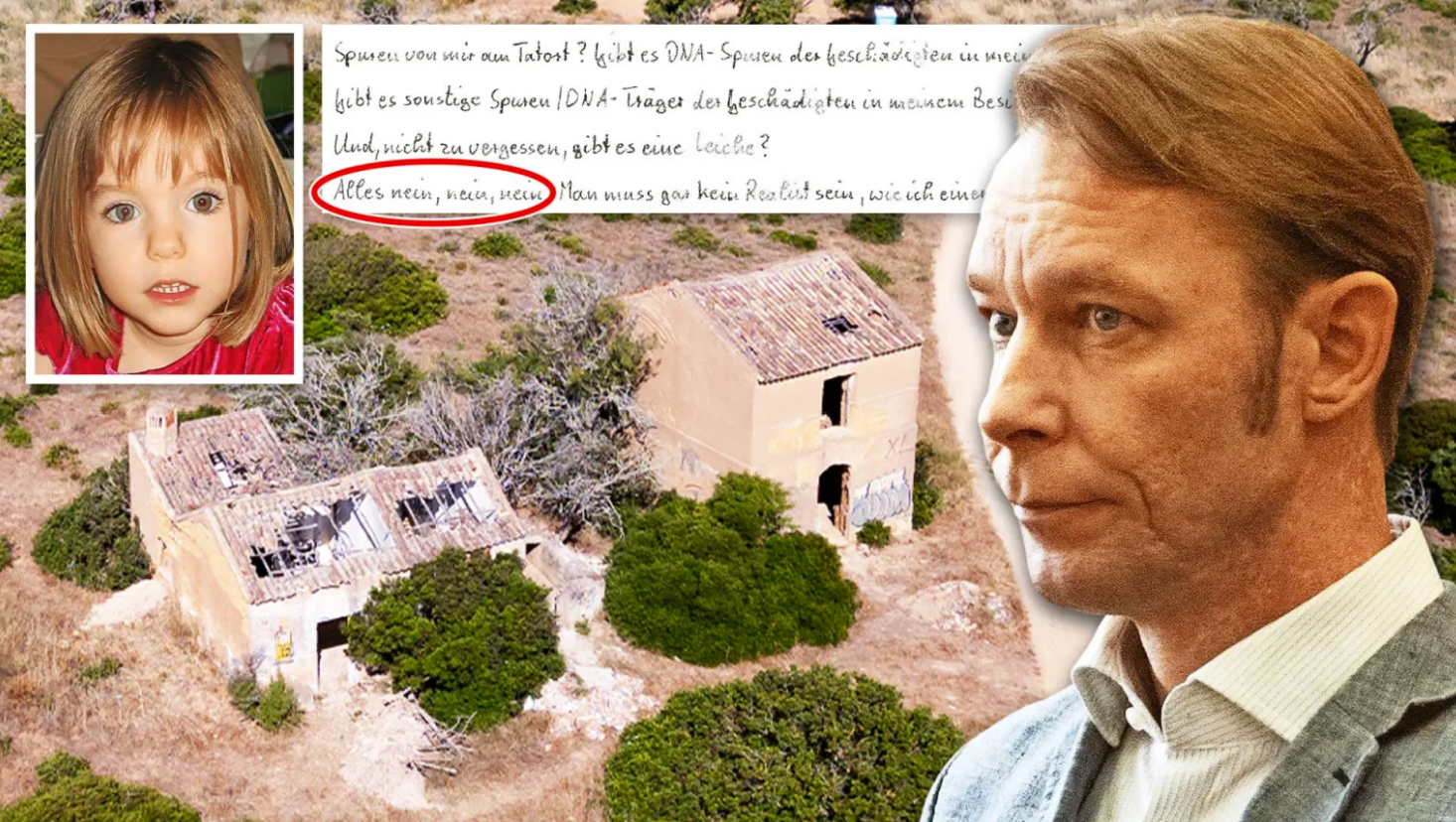
None of that converts the Leipzig date into a guaranteed second trial. If the Senate finds legal error of a kind that cannot be repaired on the existing record, the usual German path is remittal to a different regional court for a new hearing of the evidence. If it does not, the acquittal stands and her civil and criminal hopes on those counts close. The distinction matters because public language has collapsed “hearing granted” into “retrial ordered.” One is a listing. The other is a possible outcome after legal argument that has not yet been heard.
Source: https://www.theguardian.com/uk-news/2025/oct/14/secret-dna-test-confirmed-alleged-stalker-was-not-madeleine-mccann-says-officer