Still Waiting: How the Cape Coral Double-Murder Case Moved From Trial to Death Row Without an Execution Date
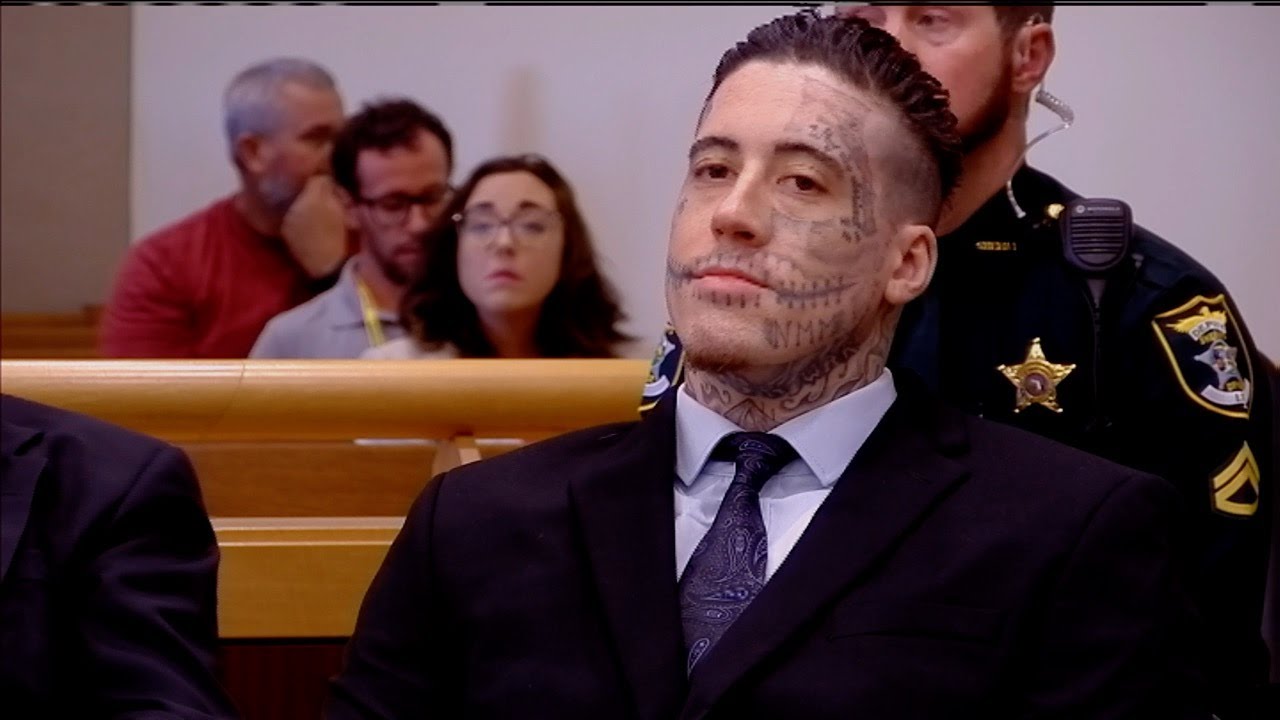
Nearly two years after a Florida judge imposed two death sentences, Wade Steven Wilson remains on death row and no execution date has been set. The case that began with the October 2019 killings of Kristine Melton and Diane Ruiz in Cape Coral is now in the long appellate phase that follows every capital judgment in Florida.
What follows is a fuller account of the crimes as presented at trial, the people who were killed, the sentencing, and the legal fight that is still unfinished.
What the state said happened
Prosecutors described a short, random sequence of violence on October 6–7, 2019. Wilson, then 25 and already on felony probation, met Melton at Buddha LIVE, a Fort Myers music venue. Later that night he went to her Cape Coral home. After a friend left, the state said, he killed Melton inside the residence and took her car. He then drove to see his girlfriend, Melissa Montanez. When she refused to get in the vehicle, he ᴀssaulted her; she escaped and contacted police.
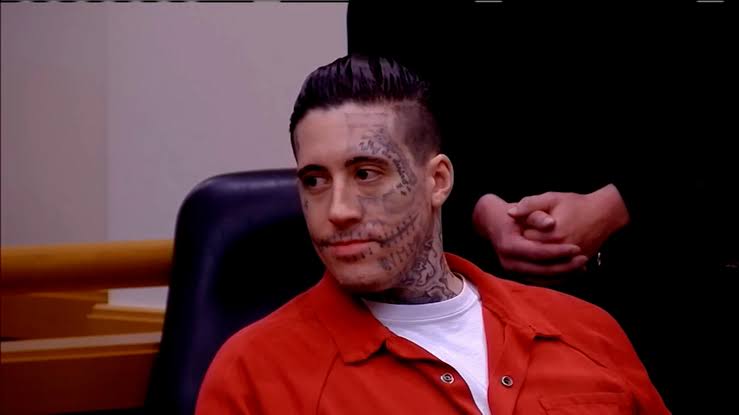
Wilson then returned toward Cape Coral. The state said he approached Ruiz as she walked to work, asked for directions, got her into the stolen car, attacked her, forced her from the vehicle, and ran over her repeatedly. Her body was found days later in a field. Wilson called his biological father, Steven Testasecca, more than once after the killings. Testasecca testified that his son described the second attack in graphic terms and did not sound remorseful. Wilson was arrested on October 8, 2019.
A Lee County jury convicted him on June 12, 2024, of two counts of first-degree murder plus grand theft, battery, burglary of a dwelling, and petty theft.
Who the victims were
Kristine Ann Melton was 35. Friends and relatives remembered her as a waitress, a cat owner, a godmother, and a high-school friend who had moved from Illinois to Colorado and then to Cape Coral with Stephanie Sailors. Neighbors called her friendly and light-hearted. Her cousin Samantha Catomer told the court Melton would never become a mother, a role the family believed she was meant for. Melton’s brother, Robert, later said their mother’s Alzheimer’s worsened after the murder and that Katie Melton now lives as if her daughter is still alive and married.
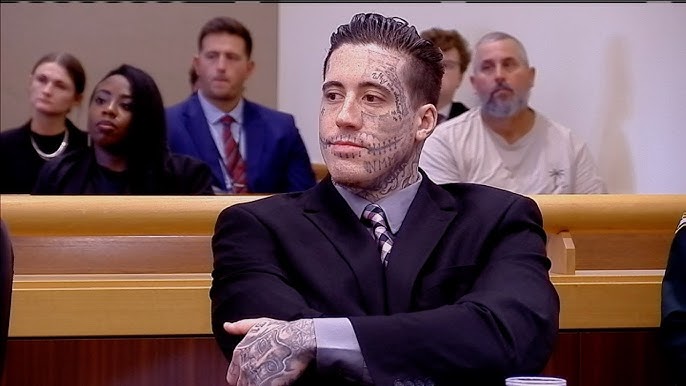
Diane Ruiz was 43, a mother of two sons, Brandon Cuellar and Zane Romero, and was engaged to Scott Hannon. She worked as a bartender and server at the Cape Coral Moose Lodge and was known for rarely missing a shift. Romero testified that she had been excited to watch his high-school marching-band debut and never got the chance. Cuellar later described her as both parent and best friend. Co-workers said she was kind and did not deserve what happened to her.
The two women did not know each other. Their only connection was encountering Wilson within hours.
How Florida reached a death sentence
Florida no longer requires a unanimous jury recommendation for death. A 2023 law signed by Gov. Ron DeSantis lowered the threshold to eight of twelve votes. On June 25, 2024, Wilson’s jury voted 9-3 for death in Melton’s case and 10-2 in Ruiz’s case. Judge Nicholas Thompson of the 20th Judicial Circuit imposed both death sentences on August 27, 2024. He said the evidence showed both murders were heinous, atrocious, and cruel, and that Ruiz’s killing was also cold, calculated, and premeditated. He also found Wilson inflicted serious physical and emotional pain while on probation.
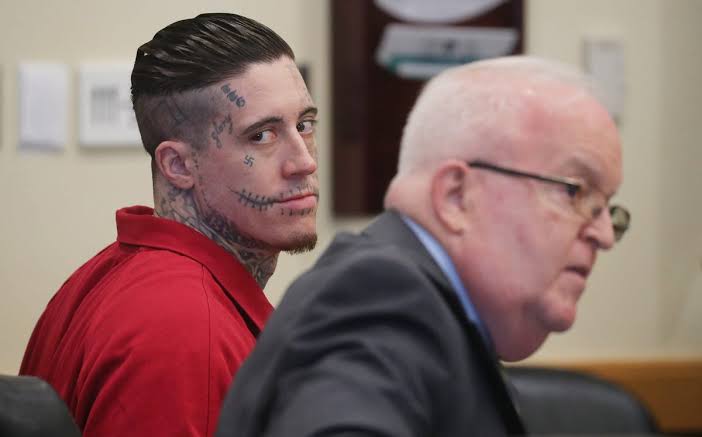
The defense asked for a new trial and argued mental illness, addiction, brain injury, and a difficult start in life. Wilson was born to very young parents, given up for adoption, and raised by Steve and Cindy (Candy) Wilson. In a letter read at sentencing, the adoptive parents called him a joyful child, said addiction and mental illness had overtaken him, and asked the court not to take their son. The judge gave those mitigators some weight but still followed the jury’s recommendation. Wilson declined to make a statement that day. Two days later he pleaded no contest to unrelated jail drug charges and received a 12-year term to run at the same time as the capital sentences. Attempted-escape charges were dropped. He was then moved toward death row.
Family members of the victims clapped and embraced after the sentences. Melton’s cousin said the years since 2019 had been “five years of agony” and that relatives had stayed quiet to protect the case. Felix Ruiz, Diane’s father, said he never got to tell his daughter he loved her and promised he would attend any future execution.
Where the case stands in August 2026
Wilson is housed at Union Correctional Insтιтution in Raiford, Florida’s facility for male death-row prisoners. There is still no death warrant and no execution date. Florida’s own figures put the typical wait from sentence to execution at more than a decade.
The automatic appeal is Wade Steven Wilson v. State of Florida, Florida Supreme Court case SC2024-1345. The defense has not tried to undo the guilty verdicts. The fight is over the legality of the death sentences, especially whether the 2023 non-unanimous jury rule can be applied to 2019 murders. Defense lawyer Michael Ufferman briefed that ex post facto issue and related consтιтutional claims. After the Florida Supreme Court upheld the 2023 law in other cases, including Hunt v. State in December 2025, Ufferman told the justices on February 5, 2026, that he would not reargue points already decided. He said the issues were preserved for the U.S. Supreme Court. The state asked the court to affirm. Public reporting since then treats the state-court challenge as effectively closed on those grounds, with a possible peтιтion to the U.S. Supreme Court as the next step. No execution can be scheduled while that process remains open.
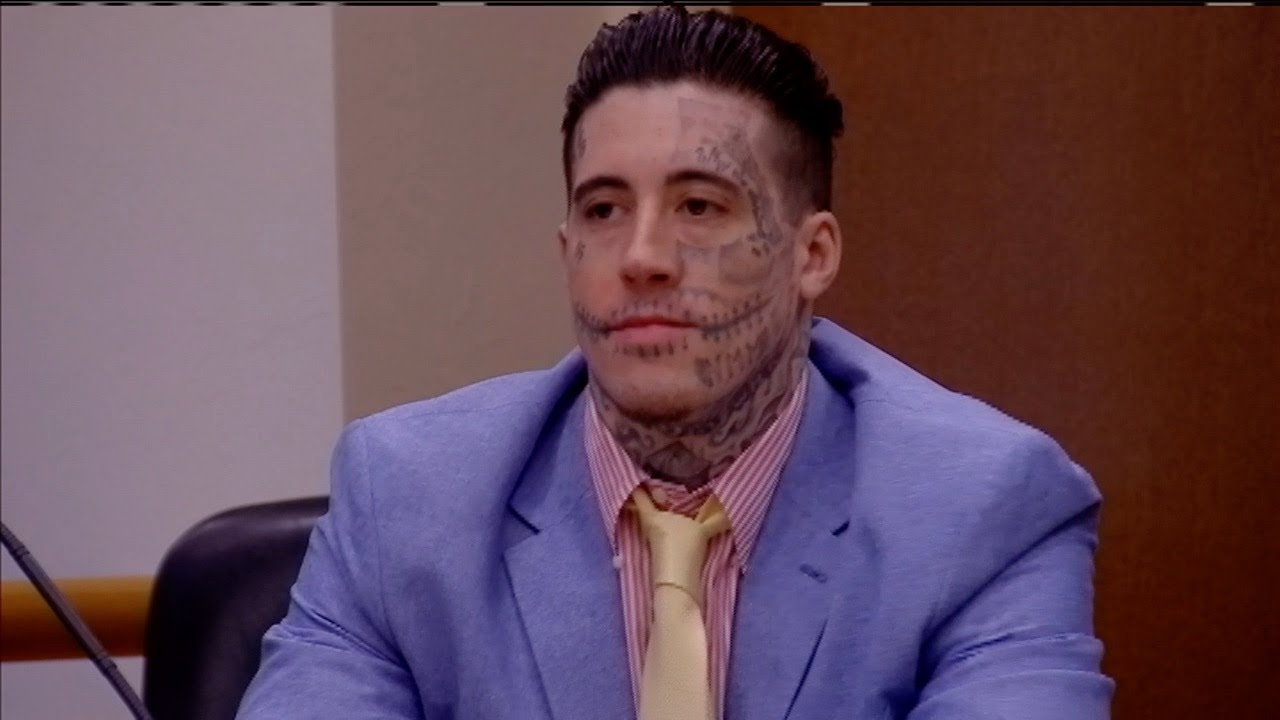
The case also returned to national attention in 2026 through Paramount+’s Handsome Devil: Charming Killer and a Netflix Worst Ex Ever episode. Those programs did not change the legal timeline.
Wilson has been nicknamed the “ᴅᴇᴀᴅpool Killer” in headlines because he shares a name with the Marvel character. That label is media shorthand, not a legal finding. Court records also alleged links to a white-supremacist prison gang and noted his extensive facial tattoos. Those details were part of public coverage; the convictions rest on the 2019 murders and the related property and ᴀssault counts.
What is still unresolved
Three things remain open. First, whether the U.S. Supreme Court will agree to hear the challenge to Florida’s 2023 death-penalty law as applied to this case. Second, whether later state or federal post-conviction peтιтions will be filed. Third, whether a Florida governor will ever sign a death warrant if those appeals fail. Until then, Wilson stays on death row, and the families of Kristine Melton and Diane Ruiz continue to wait for a final chapter that Florida’s capital process has not yet written.