Deputies Came for One Adult and Found a Generation Living in Waste

When Ohio’s attorney general described the Hamden house, he did not reach for polite language. He said it looked third-world. He said it was not something Americans are used to seeing. He said he could not get the smell off him. Those remarks, delivered at a public briefing, turned a local rescue into a statewide reckoning. Sixteen children had been living in squalor with waste on the floor and garbage piled into mountains. Investigators said they spent most of their time in a cramped 12-by-12 room. Some could not speak. The eldest, 18 and developmentally disabled, could not write her name. No child in the home had been enrolled in school.

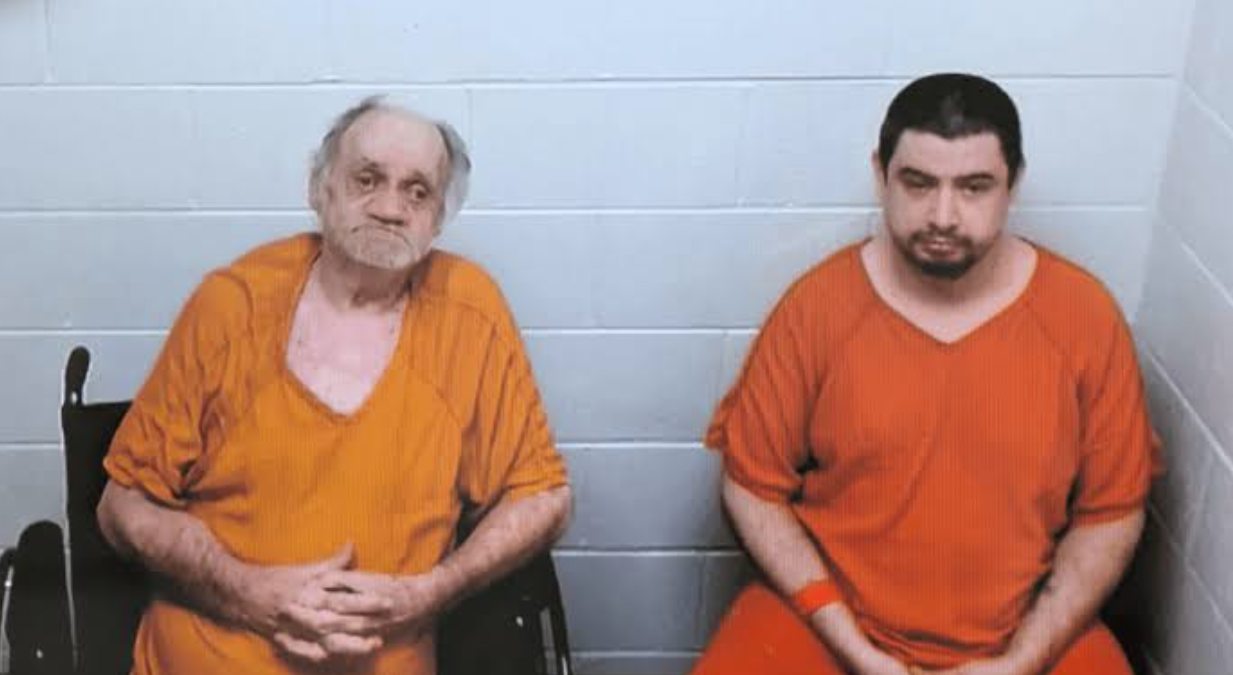
Deputies discovered them only because they were already at the property for another matter. That accident of timing is now part of the official story, and it is one of the details communities keep repeating because it implies a darker question: if the warrant had been delayed a week, a month, a year, how much longer would the isolation have lasted. Medical staff found children in rough shape. Some needed hospital admission. Two were flown to Level One trauma centers. At least one required an emergency airway. Four adults, identified as Gary Siders Jr., Elizabeth Siders, Gary Siders Sr., and Christina Siders, were arraigned on felony child-endangerment counts tied to each of the sixteen victims. Investigators have said they found no cages, which only makes the confinement harder to explain. The children were kept inside a house visible from the road, in a village small enough that strangers are noticed and secrets are supposed to leak. This one did not leak. It sat behind a door until law enforcement opened it for a reason that had nothing to do with the children at all.
Hamden is the kind of place where a five-bedroom house should not be able to swallow sixteen children without someone asking a question. Yet that is what authorities say happened. For years, according to investigators, the children remained mostly confined to one small room under conditions so filthy that officials compared them unfavorably with barns. Human waste. Trash heaps. Cat urine soaked into surfaces. Broken toys mixed with debris. A house that, from the street, did not announce the scale of what was happening inside. Neighbors later said they had never seen the kids. Relatives told reporters they had not seen the family in years and could not remember meeting the children. School systems had no enrollment records because the children were never put on a roster.

Doctors and teachers never became regular witnesses to their development. That vacuum is now the subject of painful public questions. How does a child reach eighteen without learning to write a name. How do toddlers grow into school-age years without a single mandatory reporter forcing an inspection. How do four adults share a property with sixteen minors and keep the outside world convinced that nothing unusual is happening. The sheriff’s answer about livestock was blunt because blunt language was all that fit. The attorney general’s description of almost-feral children was blunt for the same reason. Rescue pH๏τographs and interior images later published by national outlets showed cluttered rooms, stained surfaces, and a home that looked abandoned even while it was occupied. The children are now in the custody of Ohio Job and Family Services. Hospitals treated the worst cases. Prosecutors filed charges designed for serious physical harm. The town is left with a quieter injury: the knowledge that the horror was local, recent, and unnoticed until chance brought deputies to the porch.
Source: https://nypost.com/2026/07/10/us-news/inside-the-ohio-house-of-horrors-where-16-feral-kids-were-rescued/