👁️ Behind Every Smile: A Child’s Fight Against Retinoblastoma 💛
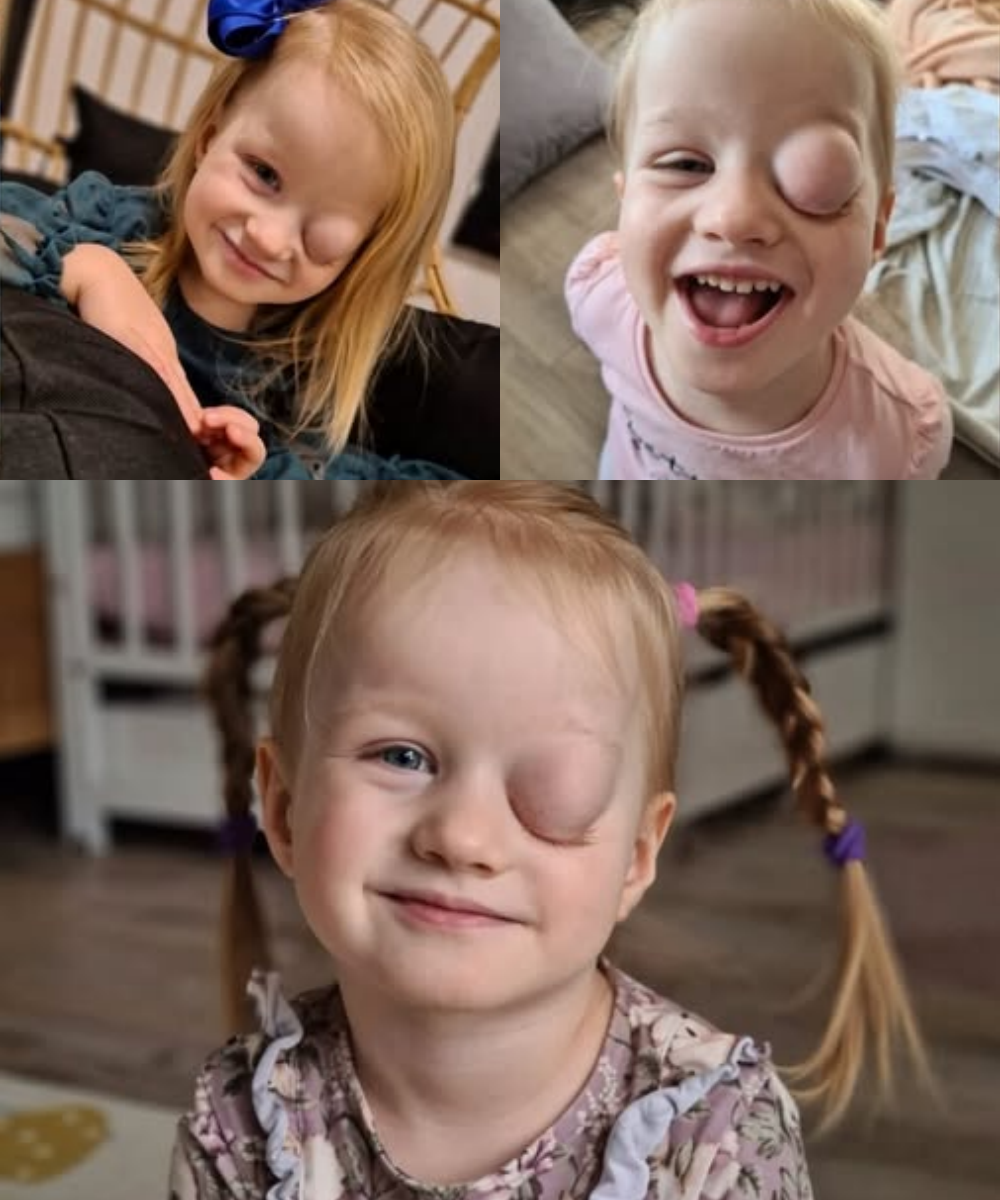
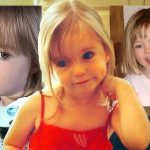
Behind every child’s smile can be a story of incredible courage, strength, and hope. 💕✨
Retinoblastoma is a rare but serious form of childhood cancer that develops in the retina—the light-sensitive tissue at the back of the eye. It most often affects very young children, with many cases diagnosed before the age of 5. 👶🏻👁️
👀 A Rare Cancer of the Eye
Because young children may not be able to explain changes in their vision, the early signs can sometimes be difficult for parents to recognize.
One of the most well-known warning signs is leukocoria, sometimes called the “white-eye” or “white pupil” sign. 📸⚪
Normally, a flash pH๏τograph may show a reddish reflection from the retina. But in some children with retinoblastoma, the pupil can appear white because light is reflecting from an abnormal growth inside the eye.
A white reflection does not automatically mean cancer, as several other eye conditions can cause the same appearance. Still, any unusual or persistent white reflection should be checked promptly by an eye specialist. 🩺❤️
🚨 Warning Signs Parents Should Know
Possible signs of retinoblastoma can include:
🔹 A white reflection in the pupil, especially in pH๏τographs
🔹 Eyes that appear crossed or misaligned
🔹 Redness or pain in the eye
🔹 Changes in vision
🔹 A cloudy-looking pupil or colored part of the eye
🔹 An enlarged or protruding eye in more advanced cases
Crossed eyes, known medically as strabismus, are also an important possible sign. However, these symptoms can have many causes unrelated to cancer, so pH๏τographs alone cannot provide a diagnosis. 👁️
⏰ Why Early Detection Matters
Early diagnosis can make a major difference in treatment. Doctors may perform detailed eye examinations and use imaging such as ultrasound or MRI to determine whether a tumor is present and how far it has developed. 🔬🏥
Treatment depends on the size and location of the tumor, whether one or both eyes are affected, and whether the disease has spread. Options may include chemotherapy, laser treatment, cryotherapy, specialized chemotherapy delivered directly to the eye, or surgery when necessary.
The first priority is always protecting the child’s life, while doctors also try to preserve the affected eye and vision whenever it is safely possible. ❤️🩹
🌈 More Than a Diagnosis
For a child and family, retinoblastoma is more than a medical diagnosis.
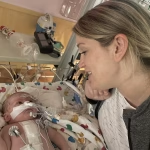
It can mean repeated examinations, hospital visits, procedures, difficult decisions, and countless moments of uncertainty. Parents may carry an enormous emotional burden while watching their child face cancer at such a young age. 💔
But a diagnosis does not erase childhood.
A child can still smile. 😊
A child can still play. 🧸
A child can still laugh, grow, dream, and experience the simple joys of being a kid. 🌈✨
A medical condition may become part of a child’s story—but it does not define who they are. 💛
💕 A Message for Parents
Retinoblastoma is rare, but knowing the warning signs can help families seek medical attention sooner.
If you notice a persistent white reflection in your child’s pupil, unusual changes in pH๏τographs, crossed eyes, unexplained redness or swelling, or changes in vision, contact your child’s pediatrician or an ophthalmologist promptly. 👩⚕️👨⚕️
Early evaluation does not mean your child has cancer. It simply means giving an unusual symptom the attention it deserves. 🙏
Behind every diagnosis is a child—not just a condition.
And behind every child facing a difficult diagnosis is a family holding onto one precious hope: to see that smile for many, many years to come. 💛🌟